Purple Cestrum
NamePurple Cestrum
Scientific NameCestrum elegans
Common NamesPurple Cestrum, Red Cestrum, Crimson Cestrum, Jessamine
Plant FamilySolanaceae
Natural HabitatNative to Mexico and Central America, this plant thrives in subtropical and tropical climates. It is often found in disturbed areas, forest margins, and is widely cultivated as an ornamental.
Parts Usedleaf,flower
Medicinal Actionsanalgesic, anti-inflammatory, antimicrobial
Traditional UsesWhile primarily known for its toxicity, some Cestrum species, including potentially C. elegans in highly cautious and localized external applications, have been traditionally used in folk medicine for their purported analgesic and anti-inflammatory effects on skin ailments or localized pain. Internal use is extremely dangerous due to the plant's high toxicity.
Active ConstituentsGlycosides, Saponins, Alkaloids
Preparation Methodspoultice
Contraindications & WarningsALL parts of Cestrum elegans are highly toxic and can cause severe gastrointestinal distress, neurological symptoms, and even death if ingested. Contact with sap can cause skin irritation. It is not for internal use under any circumstances. Avoid use by pregnant or nursing women, children, and individuals with liver or kidney conditions.
Cultivation NotesPrefers full sun to partial shade and well-drained soil, tolerating a range of soil types. It is drought-tolerant once established and can be pruned to maintain shape. Propagated by seeds or cuttings.
Raritycommon
Description
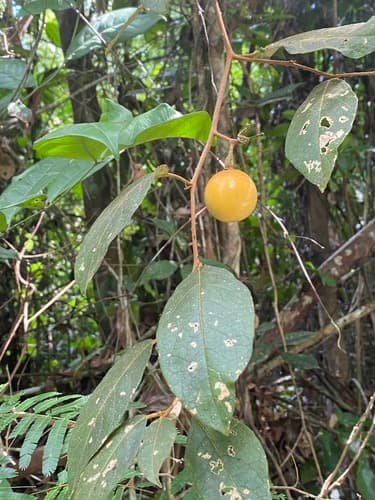
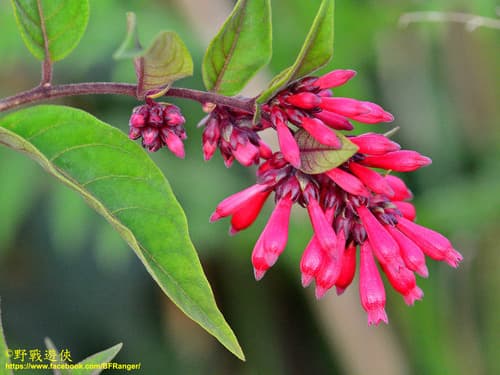
Cestrum elegans is an evergreen shrub characterized by its clusters of showy, tubular, deep pink to reddish-purple flowers. It typically grows 2-4 meters tall with simple, ovate to lanceolate leaves and produces small, dark red berries.