Solanum fernandezianum
NameSolanum fernandezianum
Scientific NameSolanum fernandezianum
Common NamesJuan Fernández Island Nightshade
Plant FamilySolanaceae
Natural HabitatEndemic to Robinson Crusoe Island (Isla Más a Tierra) in the Juan Fernández Archipelago, Chile, where it grows in coastal areas, ravines, and forest understories, preferring humid and sheltered locations.
Parts Usedwhole_plant
Medicinal Actionsanti-inflammatory, antimicrobial
Traditional UsesNo widely documented traditional medicinal uses are known for Solanum fernandezianum. Like many species in the Solanum genus, it is presumed to contain steroidal glycoalkaloids, which in other species have shown some anti-inflammatory or antimicrobial properties, but these are not specifically attributed to traditional use of this particular endemic species.
Active Constituentssteroidal glycoalkaloids (e.g., solanine, solasodine), flavonoids, saponins
Preparation Methodspowder
Contraindications & WarningsAs with many Solanum species, Solanum fernandezianum is presumed to contain toxic steroidal glycoalkaloids, particularly in unripe fruits and foliage. Ingestion could lead to gastrointestinal upset, neurological symptoms, and other adverse effects. It should be considered potentially toxic and is not recommended for internal or external medicinal use without extensive scientific validation.
Cultivation NotesPrefers a mild, humid climate and well-drained soil, similar to its native island habitat. It requires protection from extreme temperatures and is typically propagated by seed. Often cultivated in botanical gardens for conservation due to its endangered status.
Rarityrare
Description
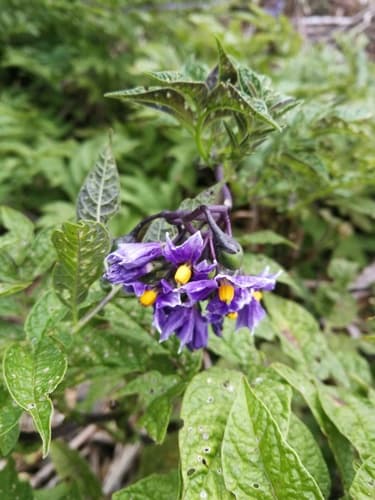
Solanum fernandezianum is an endemic shrub or small tree, typically growing 1-3 meters tall, characterized by its green, often pubescent leaves and clusters of vibrant purple flowers with prominent yellow anthers. It produces small, spherical fruits that ripen from green to yellow or orange.