Ulmus glaucescens
NameUlmus glaucescens
Scientific NameUlmus glaucescens
Common NamesGlaucous Elm, Chinese Glaucous Elm
Plant FamilyUlmaceae
Natural HabitatThis elm species thrives in mountain forests and valleys, often found along streams at elevations between 1000 and 2500 meters across various provinces of China.
Parts Usedbark,leaf
Medicinal Actionsdemulcent, astringent, anti-inflammatory
Traditional UsesIn traditional Chinese medicine, the inner bark of Ulmus glaucescens is valued for its demulcent properties, used to soothe inflamed mucous membranes, particularly in the gastrointestinal tract for conditions like diarrhea and dysentery. It is also applied externally as a poultice for skin irritations, wounds, and burns due to its soothing and astringent effects.
Active Constituentsmucilage, tannins, flavonoids, triterpenes
Preparation Methodsdecoction, powder, poultice, infusion
Contraindications & WarningsGenerally considered safe. Due to its high mucilage content, it may interfere with the absorption of other medications if taken simultaneously; it is advisable to take it at least an hour apart from other drugs.
Cultivation NotesUlmus glaucescens prefers well-drained soil and can tolerate full sun to partial shade. It thrives in moist, fertile conditions and is a relatively hardy and fast-growing tree, suitable for temperate climates.
Raritycommon
Description
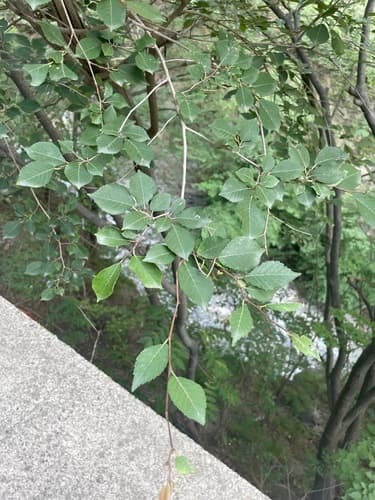
Ulmus glaucescens is a deciduous tree native to China, typically growing up to 25 meters tall. It features ovate to elliptic leaves with serrated margins, often displaying a glaucous (bluish-green) underside. The bark is greyish-brown and fissured.