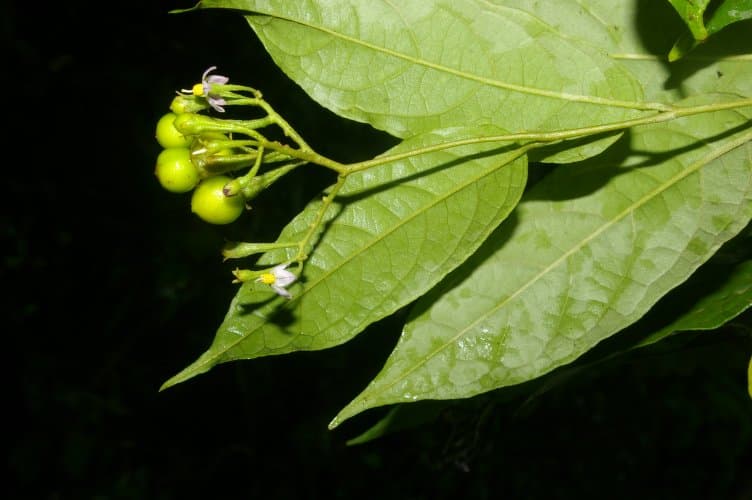
Solanum celsum
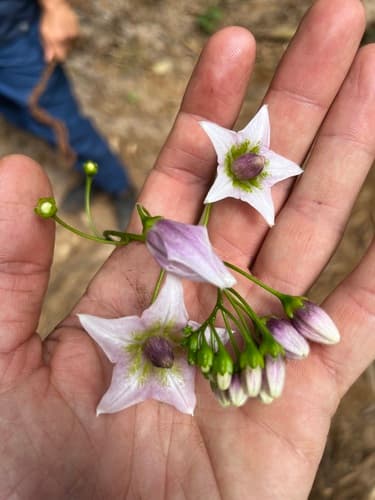
Image: N. Zamora (cc-by-nc)
NameSolanum celsum
Scientific NameSolanum celsum Standl. & C.V.Morton
Plant FamilySolanaceae
Natural HabitatFound in tropical and subtropical forests, often in disturbed areas, forest edges, or secondary growth in Central American countries like Honduras, Nicaragua, and Costa Rica.
Parts Usedleaf,fruit
Medicinal Actionsanti-inflammatory, antimicrobial, analgesic
Traditional UsesSpecific traditional medicinal uses for Solanum celsum are not widely documented in ethnobotanical literature. However, other species within the Solanum genus are traditionally used, often externally, for inflammatory conditions, pain relief, or skin ailments, typically with extreme caution due to the presence of toxic glycoalkaloids. Internal use is generally discouraged without expert guidance.
Active Constituentssteroidal glycoalkaloids
Preparation Methodspoultice, decoction
Contraindications & WarningsAll parts of Solanum celsum, especially unripe fruits, are presumed toxic due to steroidal glycoalkaloids. Internal use is highly discouraged and potentially dangerous. Avoid during pregnancy, lactation, and in children. Consult a qualified expert before any use.
Cultivation NotesPrefers tropical to subtropical climates with well-drained soil and can tolerate full sun to partial shade. Requires warm temperatures and adequate moisture.
Rarityuncommon
Description
Solanum celsum is a shrub or small tree native to Central America, characterized by its ovate to elliptic leaves, small pale lavender to white flowers with prominent yellow anthers, and clusters of globose green fruits that mature to yellow or orange. It is part of the diverse and often toxic nightshade family.