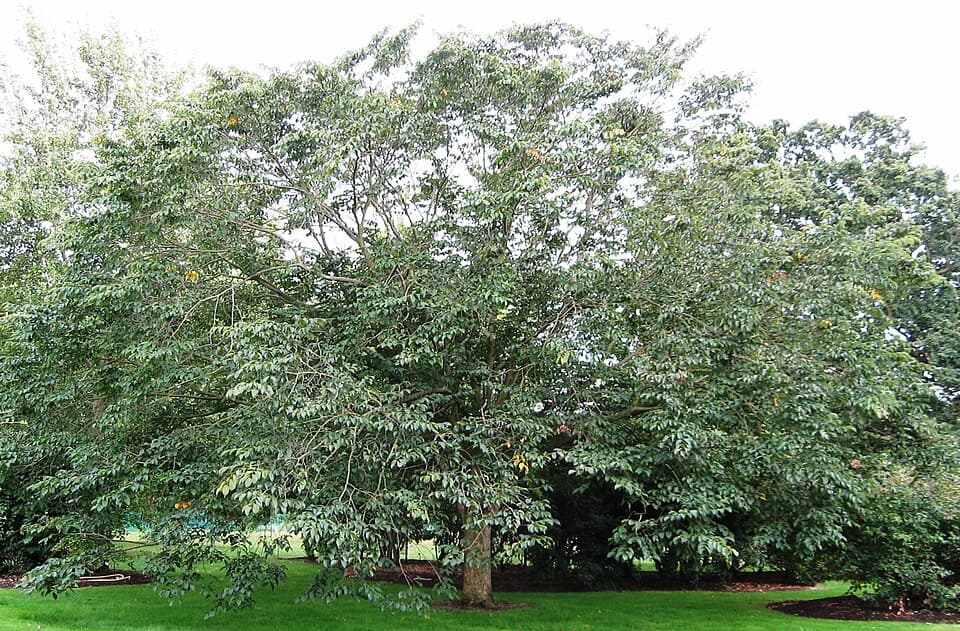
Ulmus bergmanniana
Image: Gaoligong Shan Biodiversity Survey (cc0)
NameUlmus bergmanniana
Scientific NameUlmus bergmanniana C.K.Schneid.
Common NamesBergmann's Elm
Plant FamilyUlmaceae
Natural HabitatNative to subtropical evergreen broadleaf forests in regions like Gaoligong Shan, Yunnan, China, found at elevations around 1970m. It thrives along stream banks in full sun, often in loam soil over marble, in areas that may be disturbed by felling.
Parts Usedbark,leaf
Medicinal Actionsdemulcent, astringent, anti-inflammatory
Traditional UsesWhile specific traditional uses for *Ulmus bergmanniana* are not widely documented, other species in the *Ulmus* genus, particularly the inner bark, have been traditionally used as a demulcent to soothe irritated mucous membranes of the digestive and respiratory tracts, and topically for skin irritations and wounds.
Active Constituentsmucilage, tannins, phytosterols
Preparation Methodsdecoction, powder, poultice
Contraindications & WarningsGenerally considered safe, but large doses of mucilage can interfere with the absorption of other medications. Pregnant or breastfeeding individuals should consult a healthcare professional before use.
Cultivation NotesPrefers subtropical climates, full sun exposure, and moist, well-draining loam soils, potentially with a marble substrate. It is often found along stream banks.
Raritycommon
Description
A deciduous tree, typically growing to about 8 meters tall, characterized by alternate, simple, serrated leaves. The specimen shows a branch with mature leaves and dried fruit structures.