Ipomoea cavalcantei
NameIpomoea cavalcantei
Scientific NameIpomoea cavalcantei
Plant FamilyConvolvulaceae
Natural HabitatThis species is native to Brazil, specifically found within the Caatinga biome. It typically thrives in dry, semi-arid environments, often growing on rocky or sandy soils, demonstrating resilience to arid conditions.
Parts Usedleaf,root
Medicinal Actionsantioxidant, anti-inflammatory
Traditional UsesSpecific traditional medicinal uses for Ipomoea cavalcantei are not widely documented in available ethnobotanical literature. However, other species within the Ipomoea genus are traditionally used for their purgative, anti-inflammatory, or sometimes psychoactive properties, often involving roots or leaves.
Active Constituentsalkaloids, flavonoids, glycosides
Preparation Methodsinfusion, decoction, powder
Contraindications & WarningsDue to the lack of specific research on Ipomoea cavalcantei, contraindications are not well-established. However, many Ipomoea species can contain compounds that are purgative or potentially toxic in high doses, and some contain psychoactive alkaloids. Pregnant or nursing individuals, and those with gastrointestinal issues, should exercise extreme caution or avoid use.
Cultivation NotesIpomoea cavalcantei prefers full sun exposure and well-drained, sandy or rocky soils, mimicking its native Caatinga habitat. It is drought-tolerant once established and thrives in warm, tropical to subtropical climates, requiring minimal watering.
Rarityuncommon
Description
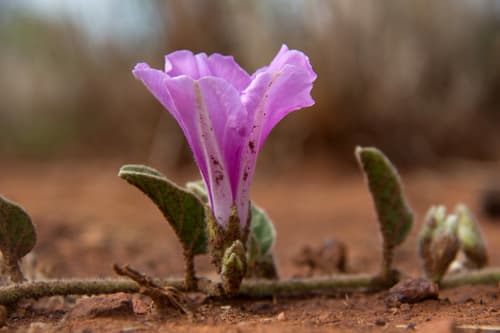
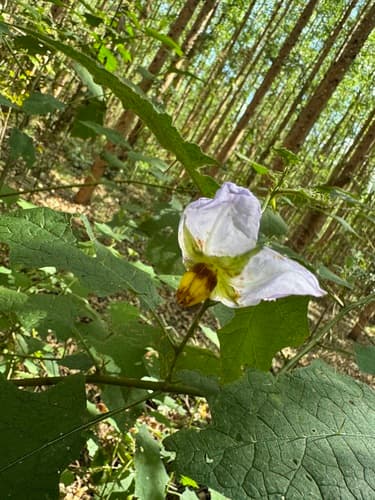

Ipomoea cavalcantei is a striking plant characterized by its vibrant red, trumpet-shaped flowers, which feature a contrasting white throat. The plant bears simple, elongated green leaves along its stems, often accompanied by developing flower buds. It is a visually appealing species within the morning glory family.