Cuscuta partita
NameCuscuta partita
Scientific NameCuscuta partita
Common NamesDodder, Love Vine, Strangleweed
Plant FamilyConvolvulaceae
Natural HabitatThis parasitic plant thrives in various habitats where host plants are abundant, including disturbed areas, fields, roadsides, and gardens, often found parasitizing herbaceous plants and shrubs.
Parts Usedwhole_plant,seed
Medicinal Actionsadaptogen, anti-inflammatory, antioxidant, astringent, diuretic
Traditional UsesTraditionally used to tonify kidney yang, benefit the liver, and improve vision. It has been employed for conditions such as impotence, premature ejaculation, frequent urination, lower back pain, and blurred vision, as well as for diarrhea.
Active ConstituentsFlavonoids, Lignans, Polysaccharides, Saponins
Preparation Methodsinfusion, decoction, powder, tincture
Contraindications & WarningsNot recommended during pregnancy or for individuals with yin deficiency with heat signs or constipation. Potential interactions with medications due to diuretic or hormonal effects should be considered.
Cultivation NotesAs an obligate parasitic plant, Cuscuta partita is not typically cultivated. It germinates from seed and must quickly establish haustorial connections with a suitable host plant to survive and grow.
Raritycommon
Description
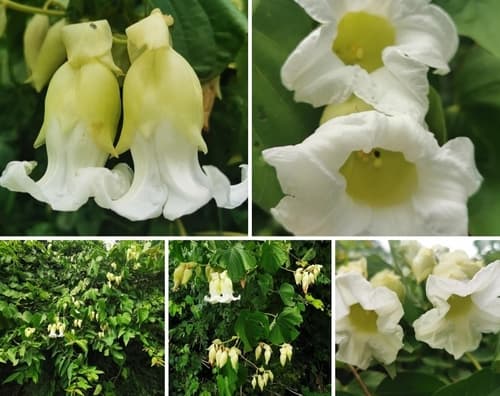
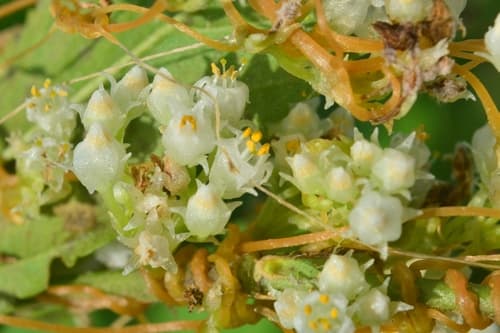
Cuscuta partita is a parasitic annual vine characterized by its slender, leafless, yellowish-orange stems that twine tightly around host plants. It produces dense clusters of small, white to cream-colored, bell-shaped flowers with prominent stamens.