Tropical Fern
NameTropical Fern
Scientific NamePolypodiopsida (unidentified species)
Common NamesFern, Tropical Fern
Plant FamilyPolypodiaceae
Natural HabitatTypically found in moist, shaded understories of tropical and subtropical forests, often growing on forest floors, rocks, or as epiphytes.
Parts Usedleaf,root
Medicinal Actionsastringent, expectorant, diuretic
Traditional UsesWhile specific uses vary greatly by species, many ferns have been traditionally used for respiratory ailments like coughs and colds, as diuretics, and externally for wounds or skin conditions due to their astringent properties. Some rhizomes have been used for anthelmintic purposes, though often with caution due to potential toxicity.
Active Constituentsflavonoids, tannins, triterpenes
Preparation Methodsinfusion, decoction, poultice
Contraindications & WarningsMany fern species contain compounds that can be toxic if ingested, such as thiaminase in Bracken fern (*Pteridium aquilinum*). Identification to species level is crucial before any internal use. Pregnant or breastfeeding individuals and those with pre-existing conditions should avoid use without expert guidance.
Cultivation NotesMost ferns prefer consistently moist, well-drained soil and partial to full shade. They thrive in high humidity and can be propagated by spores or division of rhizomes. Protection from strong winds and direct sun is often necessary.
Raritycommon
Description
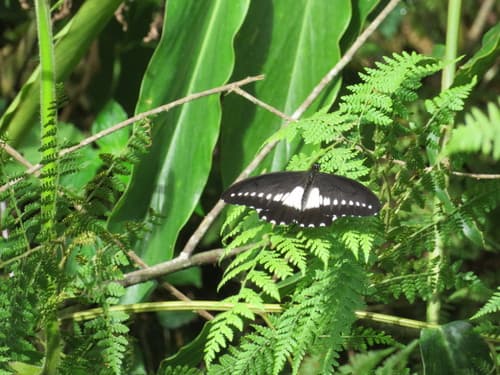
This image features a delicate, finely divided fern with bipinnate to tripinnate fronds, characteristic of many true fern species found in tropical and subtropical regions. The fronds are bright green, growing in a lush, shaded environment.