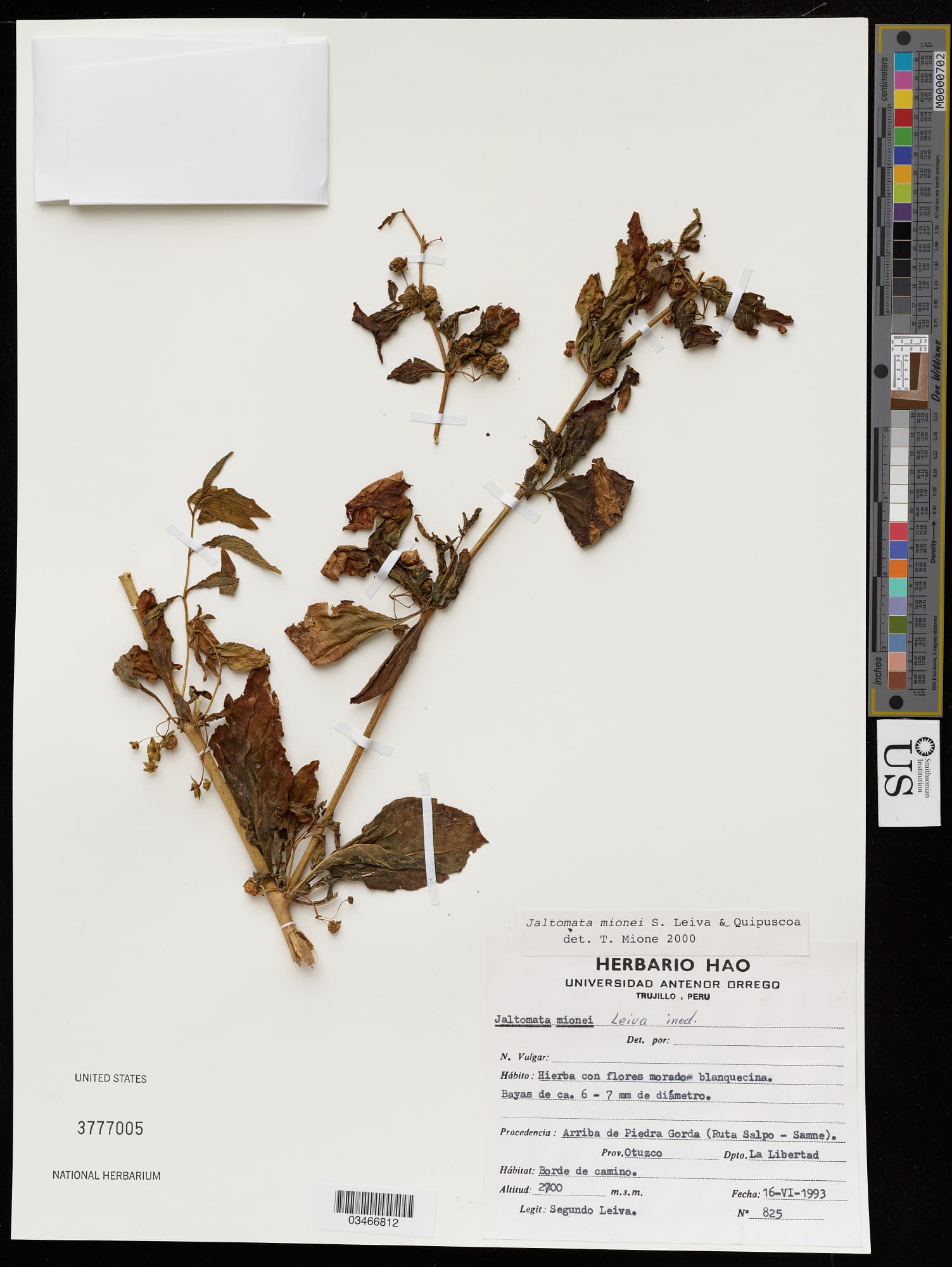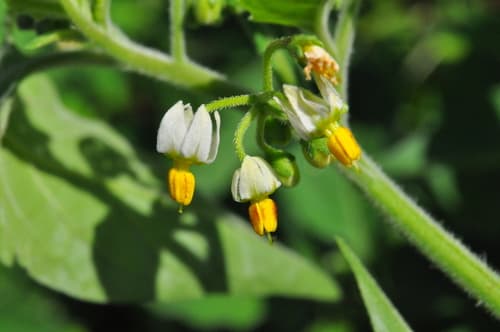
Solanum caatingae
NameSolanum caatingae
Scientific NameSolanum caatingae
Common NamesCaatinga Nightshade
Plant FamilySolanaceae
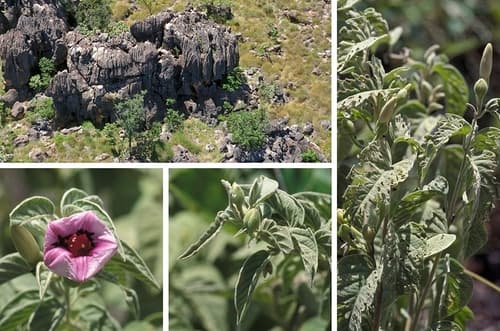
Natural HabitatNative and endemic to the semi-arid Caatinga biome of northeastern Brazil, thriving in dry, thorny scrublands and deciduous forests.
Parts Usedleaf,fruit
Medicinal Actionsanti-inflammatory, antimicrobial, antioxidant, diuretic
Traditional UsesWhile specific traditional medicinal uses for Solanum caatingae are not extensively documented, other Solanum species in Brazil are traditionally used for liver ailments, digestive issues, fever reduction, and as anti-inflammatory agents. It is likely used similarly in local folk medicine, often with caution due to the presence of alkaloids.
Active ConstituentsSteroidal glycoalkaloids, Flavonoids, Phenolic compounds
Preparation Methodsinfusion, decoction, powder
Contraindications & WarningsDue to the presence of steroidal glycoalkaloids common in the Solanum genus, this plant should be used with extreme caution. Contraindications include pregnancy, lactation, children, individuals with liver or kidney conditions, and those sensitive to solanaceous alkaloids. Large doses can be toxic.
Cultivation NotesRequires a warm climate, full sun, and well-drained soil. It is adapted to drought conditions once established, reflecting its native Caatinga habitat.
Rarityuncommon
Description
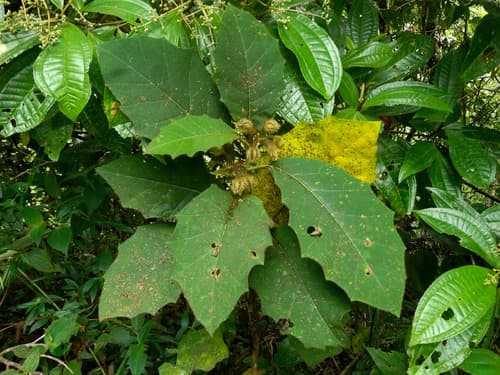
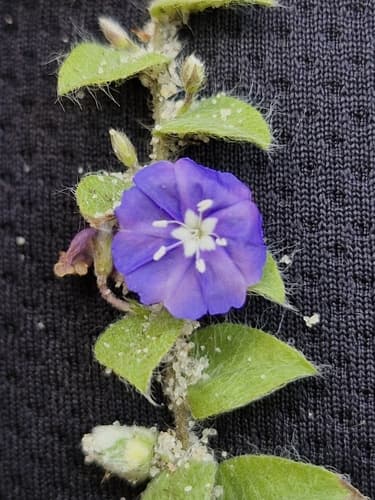
Solanum caatingae is a herbaceous or subshrubby plant endemic to the Caatinga biome of Brazil. It features small white or pale flowers with prominent yellow anthers, arranged in cymes, and typically has stellate hairs on its stems and leaves.