Betony
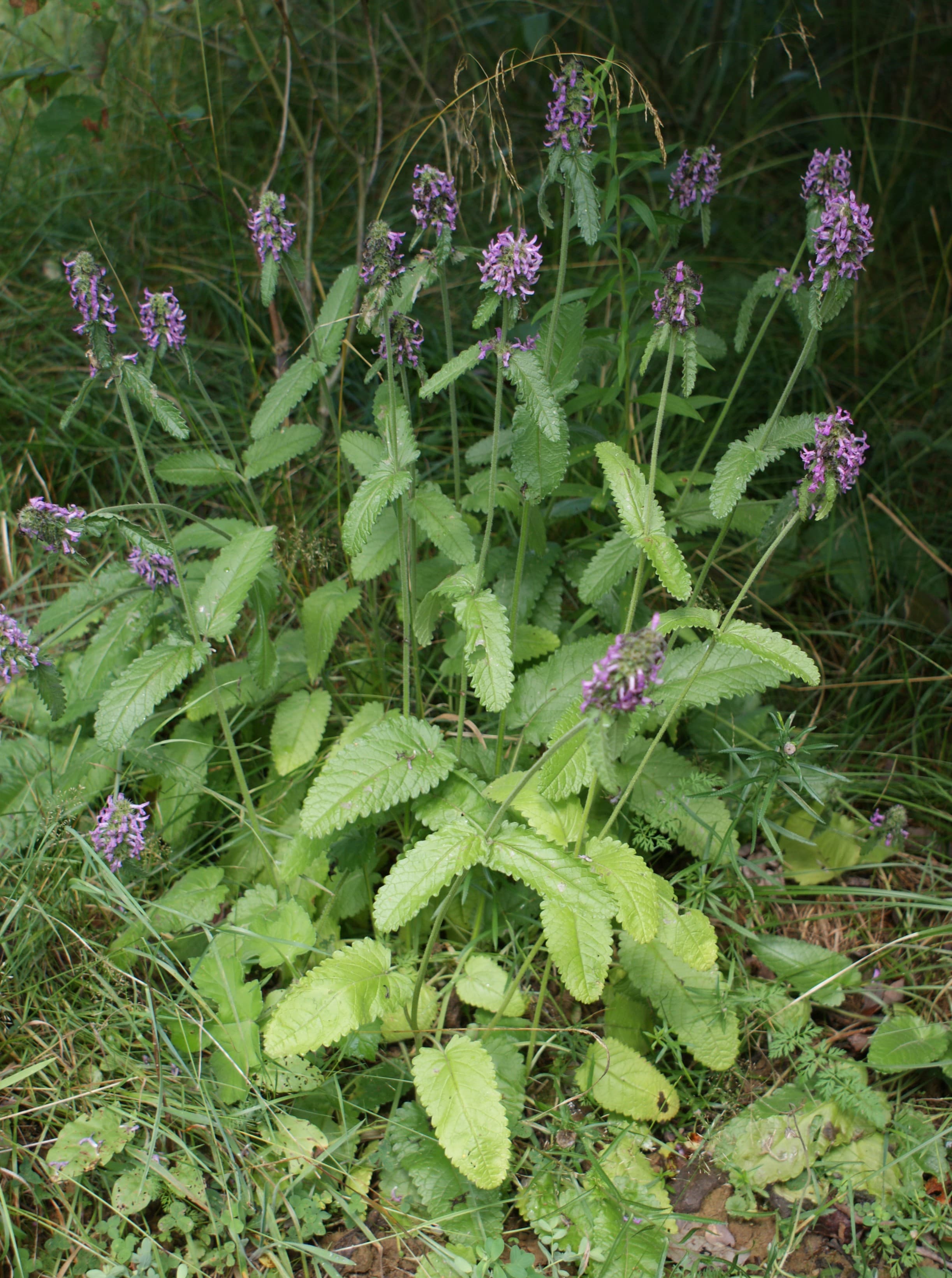
Image: Krzysztof Ziarnek Kenraiz (CC BY-SA 4.0)
NameBetony
Scientific NameBetonica officinalis
Common NamesBetony, Wood Betony, Bishop's Wort, Purple Betony
Plant FamilyLamiaceae
Natural HabitatNative to Europe, North Africa, and Western Asia, Betony commonly grows in meadows, open woodlands, grassy banks, and pastures. The specimen in the image was found in Szczecin, NW Poland.
Parts Usedleaf,flower,whole_plant
Medicinal Actionsnervine, astringent, anti-inflammatory, expectorant, carminative, antimicrobial
Traditional UsesTraditionally, Betony has been highly regarded for its nervine properties, used to alleviate headaches, nervous tension, anxiety, and insomnia. It was also employed for digestive complaints such as indigestion and heartburn, as well as for respiratory issues like coughs and bronchitis. Externally, it was used as a poultice for wounds and skin irritations.
Active Constituentstannins, iridoids, phenylethanoid glycosides, flavonoids, betaines
Preparation Methodsinfusion, tincture, powder, poultice
Contraindications & WarningsGenerally considered safe, but caution is advised during pregnancy and lactation due to insufficient research. Large doses may cause stomach upset or nausea in sensitive individuals. Consult a healthcare professional before use, especially if on medication.
Cultivation NotesBetony prefers full sun to partial shade and well-drained, moderately fertile soil. It is a hardy plant, easy to grow from seed or division, and can tolerate a range of soil types. It is often grown in herb gardens or naturalized in meadows.
Raritycommon
Description
Betony is a perennial herbaceous plant characterized by a basal rosette of oblong-ovate, crenate leaves and erect, square stems bearing whorls of dense, purplish-pink flowers arranged in a terminal spike. The plant typically grows to about 30-60 cm tall, thriving in grassy areas and woodlands.