Toughleaf Dogwood
NameToughleaf Dogwood
Scientific NameCornus asperifolia
Common NamesToughleaf Dogwood, Roughleaf Dogwood
Plant FamilyCornaceae
Natural HabitatNative to central and eastern North America, it thrives in open woodlands, forest edges, prairies, savannas, floodplains, and disturbed areas, tolerating a range of soil moisture conditions.
Parts Usedbark,root
Medicinal Actionsastringent, anti-inflammatory
Traditional UsesHistorically, the bark of various dogwood species, including toughleaf dogwood, was used by Native Americans and early settlers as a febrifuge (fever reducer), an astringent for treating diarrhea and dysentery, and as a general tonic. It was also applied topically for wounds and ulcers.
Active ConstituentsTannins, Iridoid glycosides
Preparation Methodsdecoction, tincture, powder
Contraindications & WarningsDue to its astringent properties, excessive internal use may lead to constipation. No specific major drug interactions are widely documented, but caution is advised with any highly astringent herb.
Cultivation NotesThis adaptable plant prefers full sun to partial shade and can grow in a variety of soil types, tolerating both wet and dry conditions once established. It is known for its drought tolerance and hardiness.
Raritycommon
Description
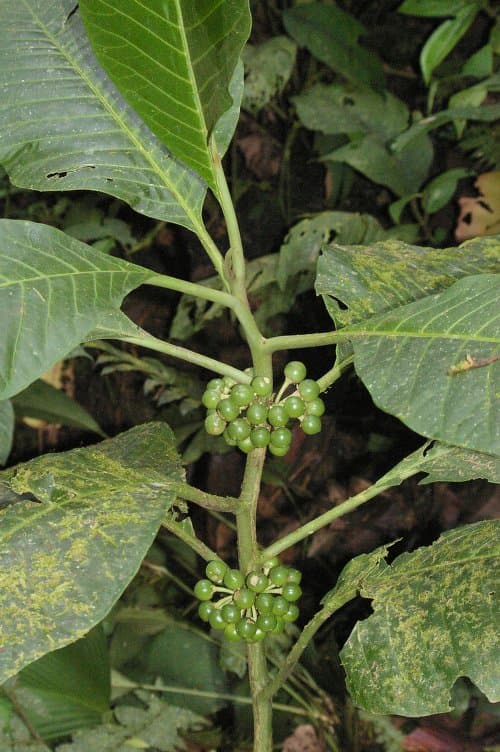
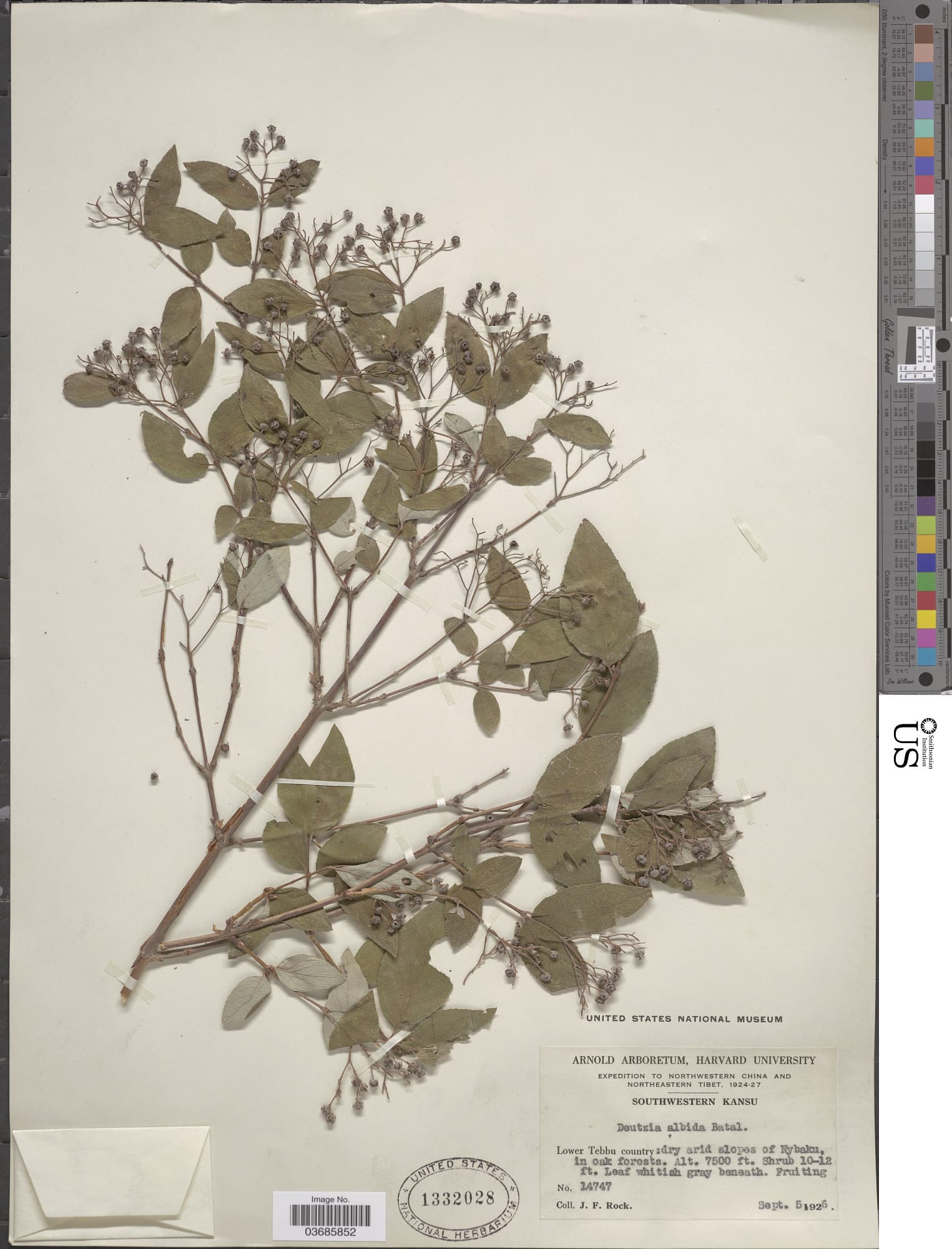
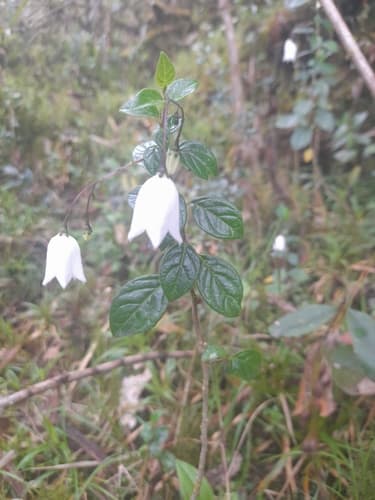
A deciduous shrub or small tree, typically growing 10-20 feet tall, characterized by rough-textured, opposite leaves. It produces clusters of small, creamy-white flowers in flat-topped cymes, followed by white berries.