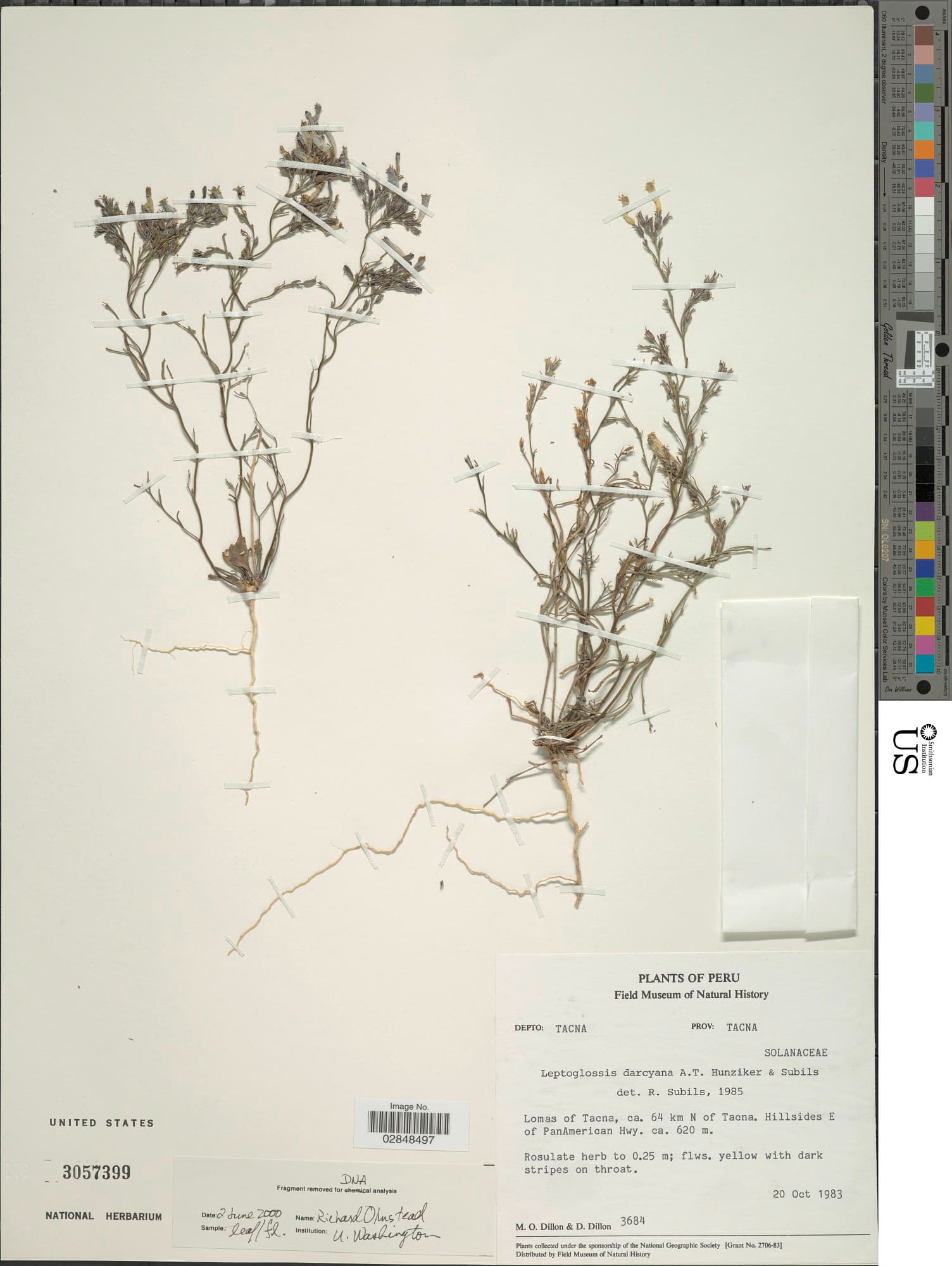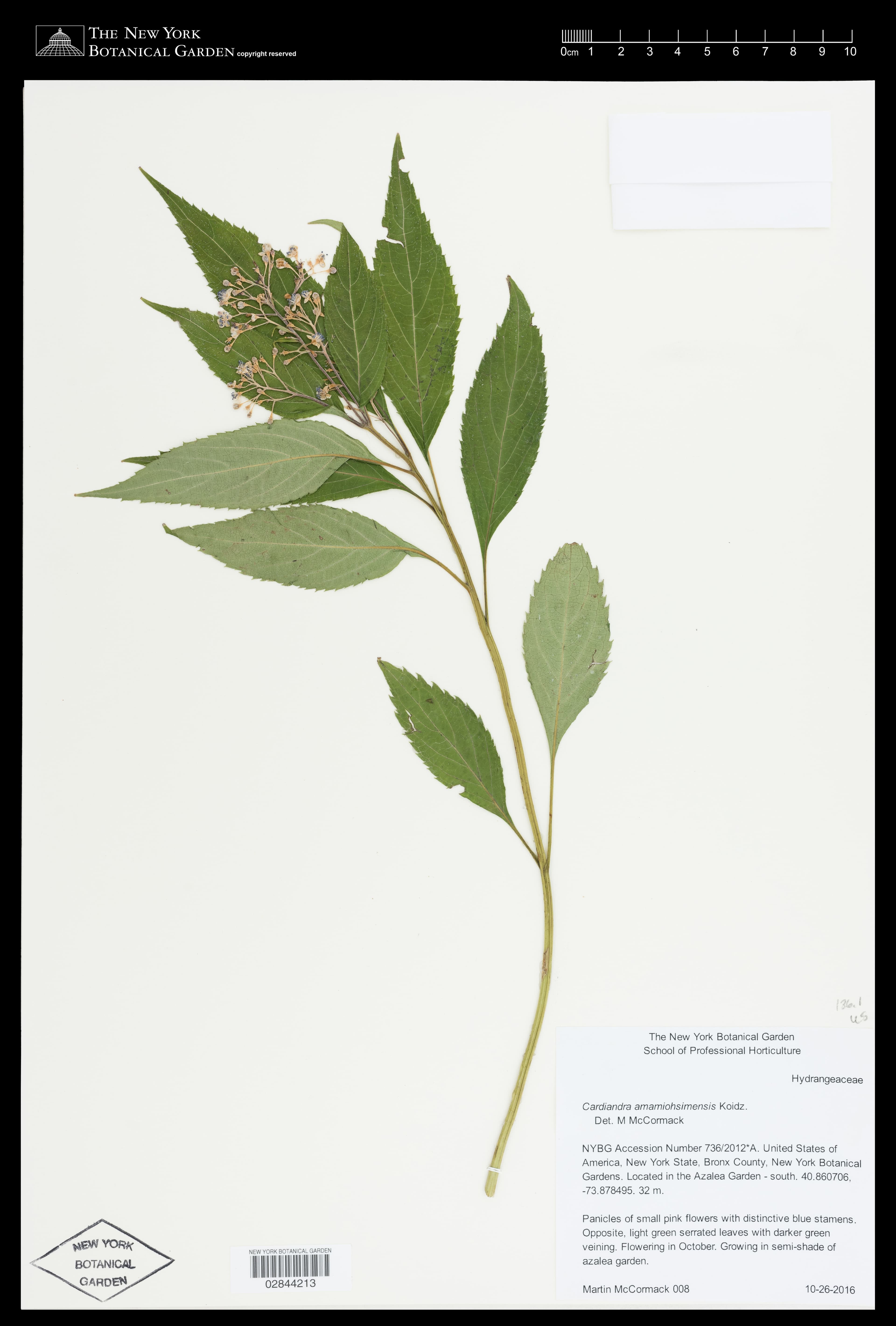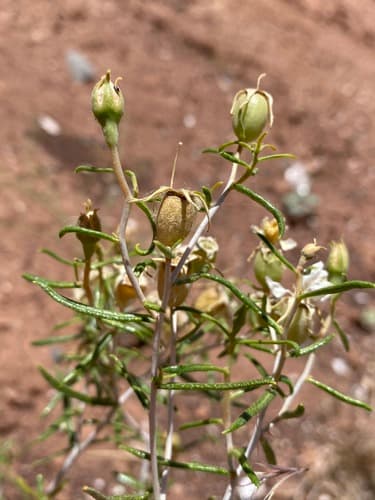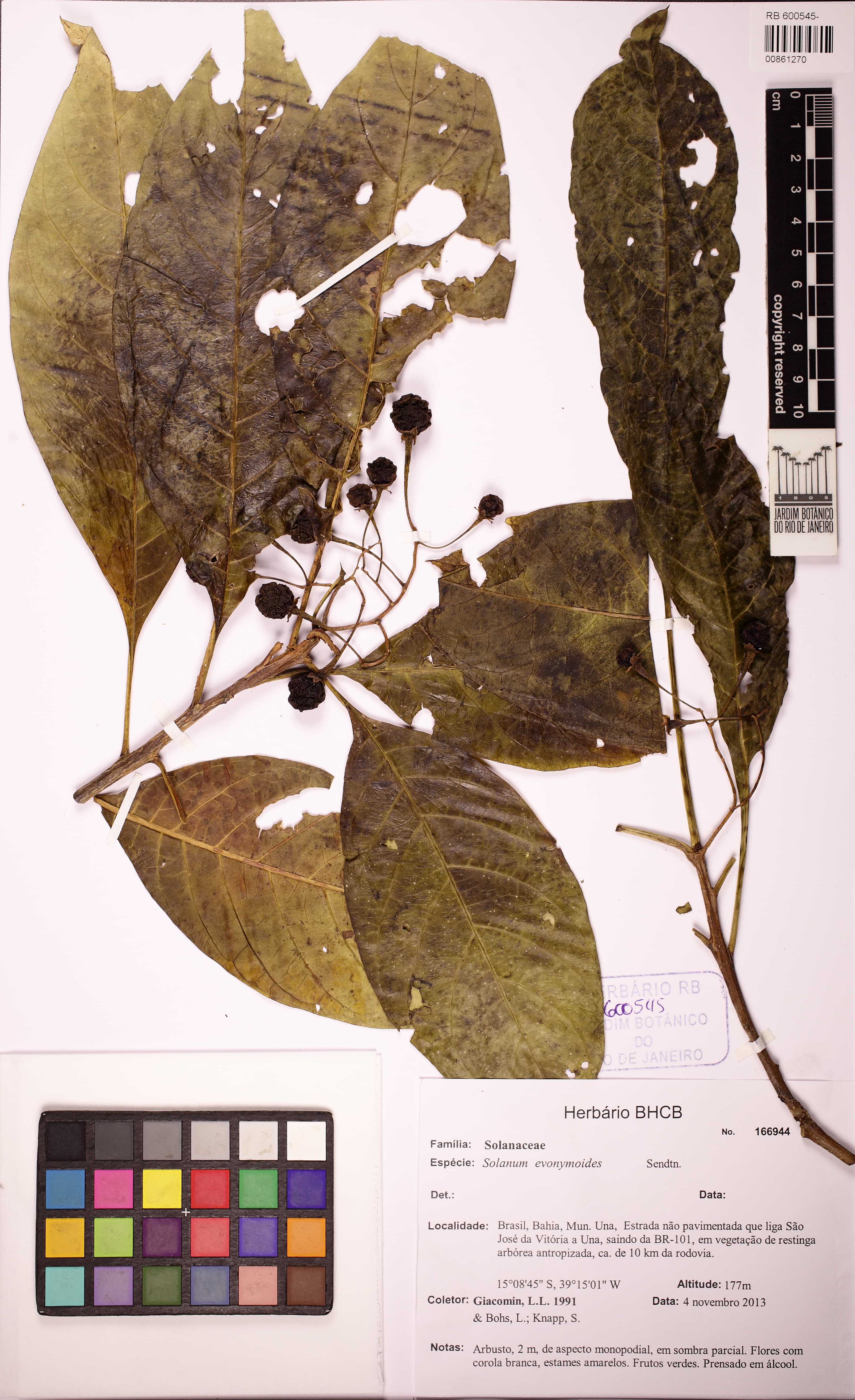
Solanum robustifrons
Image: Rodolfo Vásquez|Roy Zehnder|Vidder Crispin (cc-by-nc)
NameSolanum robustifrons
Scientific NameSolanum robustifrons Bitter
Plant FamilySolanaceae
Natural HabitatNative to tropical and subtropical regions of South America, including Brazil, Bolivia, Peru, and Paraguay. It typically grows in forest understories, disturbed areas, and along forest edges.
Parts Usedleaf,fruit
Medicinal Actionsanti-inflammatory, antimicrobial
Traditional UsesSpecific traditional medicinal uses for Solanum robustifrons are not well-documented in widely available ethnobotanical literature. However, many species within the Solanum genus are used in traditional medicine, often with extreme caution due to toxicity. Some Solanum species leaves are used externally as poultices for skin conditions, and certain fruits (when ripe and processed) are used for various ailments, though unripe fruits are generally considered toxic.
Active ConstituentsSteroidal glycoalkaloids (e.g., solanine, solamargine, solasonine), sapogenins
Preparation Methodspoultice
Contraindications & WarningsAll parts of Solanum robustifrons, especially the unripe fruits, are likely toxic due to the presence of steroidal glycoalkaloids. Internal consumption is highly discouraged and can cause severe gastrointestinal upset, neurological symptoms, and poisoning. Use with extreme caution and only under expert guidance for any traditional applications.
Cultivation NotesPrefers tropical to subtropical climates with rich, well-drained soil and partial shade. It can be propagated by seed and typically thrives in humid environments.
Raritycommon
Description
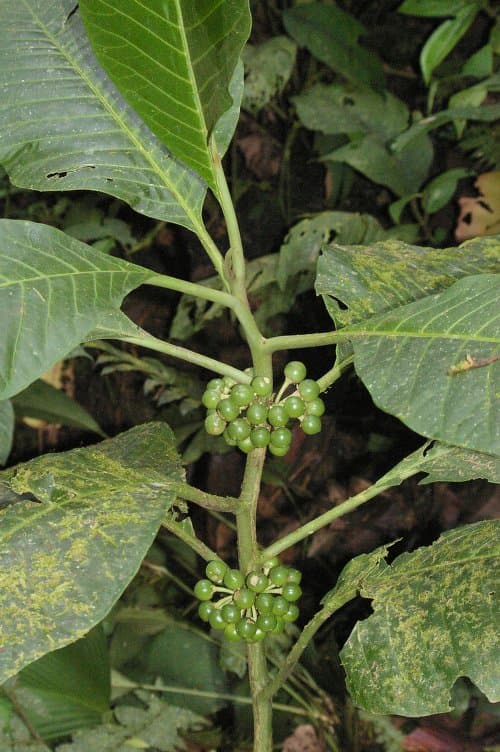
A robust shrub or small tree characterized by large, simple, alternate leaves with prominent venation. It produces clusters of small, green, spherical berries (fruits) in axillary cymes directly along the stem, often in the leaf axils.