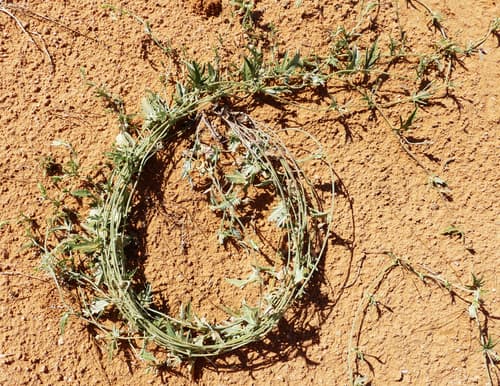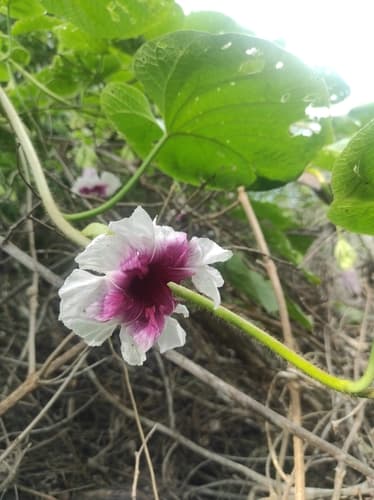
Ipomoea longibracteolata
NameIpomoea longibracteolata
Scientific NameIpomoea longibracteolata
Plant FamilyConvolvulaceae
Natural HabitatThis species is native to tropical and subtropical regions of Southern Africa, including countries like Angola, Zambia, Zimbabwe, Mozambique, and South Africa. It thrives in various habitats such as woodlands, savannas, grasslands, and disturbed areas, often found along riverbanks or forest margins.
Parts Used
Traditional UsesTraditional medicinal uses specifically for Ipomoea longibracteolata are not well-documented in available ethnobotanical and scientific literature. While some species within the Ipomoea genus have various medicinal applications (e.g., purgative, anti-inflammatory, or psychoactive properties), specific uses for this particular species are not widely recorded.
Contraindications & WarningsSpecific contraindications for Ipomoea longibracteolata are not documented. As with many plants in the Convolvulaceae family, caution is advised due to the potential presence of various secondary metabolites, some of which can be purgative or toxic in other Ipomoea species. Consultation with a qualified expert is recommended before any use.
Cultivation NotesAs a tropical vine, Ipomoea longibracteolata prefers warm climates, full sun to partial shade, and well-drained soil. It is a vigorous climber and would require support structures if cultivated. Propagation is typically by seed or cuttings.
Rarityuncommon
Description
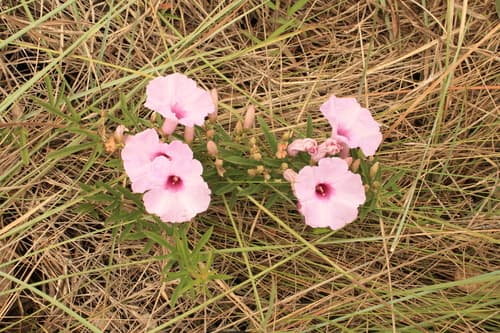
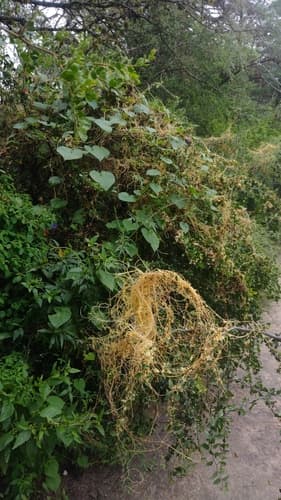
Ipomoea longibracteolata is a herbaceous climbing vine characterized by large, broadly cordate to ovate leaves. Its striking funnel-shaped flowers are typically white on the margins, transitioning to a deep magenta or purple in the throat, and are borne on hairy peduncles. The plant twines around other vegetation, often forming dense thickets.