Solanum albescens
NameSolanum albescens
Scientific NameSolanum albescens
Plant FamilySolanaceae
Natural HabitatNative to South America, particularly Brazil, where it is found in humid, often disturbed, forested areas, forest edges, or clearings within tropical and subtropical climates.
Parts Used
Traditional UsesSpecific traditional medicinal uses for Solanum albescens are not widely documented in available ethnobotanical literature. While many species within the Solanum genus are known for various traditional applications, direct evidence for medicinal use of S. albescens is scarce.
Contraindications & WarningsAs with many species in the Solanum genus, Solanum albescens may contain steroidal glycoalkaloids which can be toxic. Ingestion of parts of the plant, especially unripe fruits, could potentially lead to gastrointestinal upset, neurological symptoms, or other adverse effects. It should be considered potentially toxic and avoided by pregnant or nursing women, children, and individuals with pre-existing health conditions without expert guidance.
Cultivation NotesThis plant prefers tropical to subtropical climates, thriving in well-drained, fertile soil. It can tolerate partial shade to full sun and requires consistent moisture, but not waterlogging. Propagation is typically achieved by seed or cuttings.
Raritycommon
Description
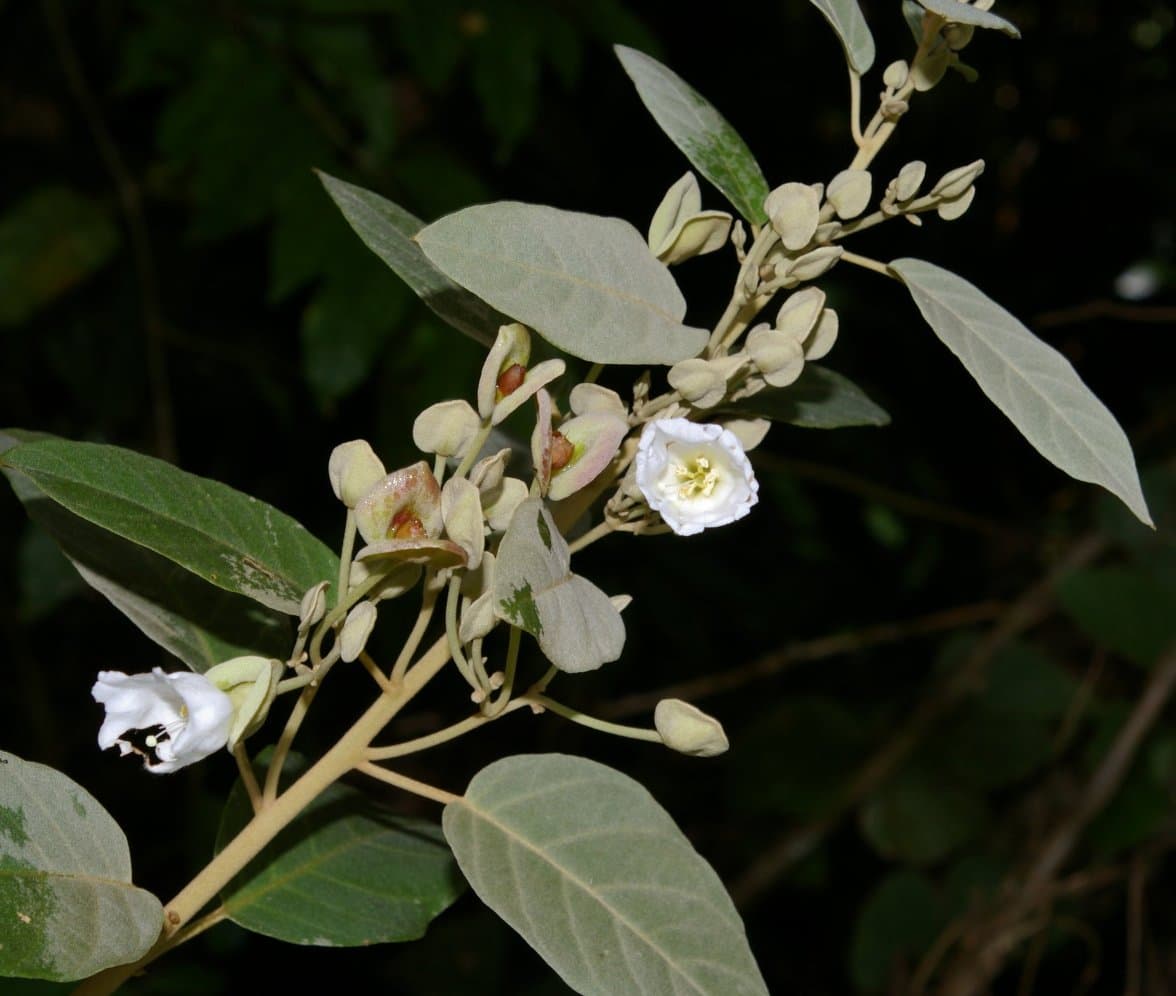
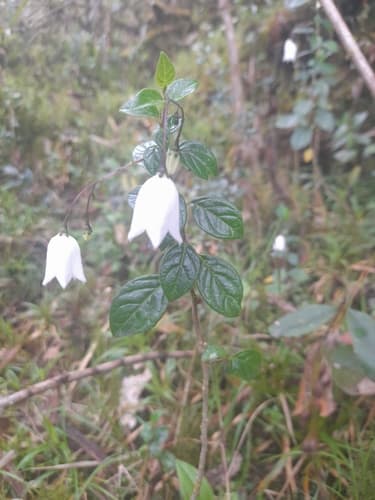
Solanum albescens is a small, erect shrub characterized by its dark green, ovate to elliptic leaves, which often have a somewhat glossy texture. It produces delicate, pendulous, bell-shaped white flowers, typically appearing solitary or in small clusters from the leaf axils.