Tomato
NameTomato
Scientific NameSolanum lycopersicum
Common NamesTomato, Garden Tomato
Plant FamilySolanaceae
Natural HabitatNative to western South America, tomatoes are now cultivated globally in temperate and tropical regions. They thrive in warm, sunny conditions with well-drained, fertile soil.
Parts Usedfruit
Medicinal Actionsantioxidant, anti-inflammatory
Traditional UsesPrimarily consumed as a food source, ripe tomatoes are valued for their rich nutritional content. They are traditionally incorporated into diets to support general health, cardiovascular well-being, and skin health due to their high levels of antioxidants.
Active ConstituentsLycopene, Vitamin C, Beta-carotene (Vitamin A precursor), Potassium, Folate
Preparation Methodsinfusion, powder
Contraindications & WarningsUnripe tomatoes, leaves, and stems contain solanine and are considered toxic. Individuals with nightshade allergies should avoid tomatoes. May exacerbate acid reflux or heartburn in some sensitive individuals.
Cultivation NotesTomatoes require full sun exposure and well-drained, fertile soil with a pH between 6.0 and 6.8. They need consistent watering, especially during fruit development, and benefit from staking or caging for support. Plant after the last frost date.
Raritycommon
Description
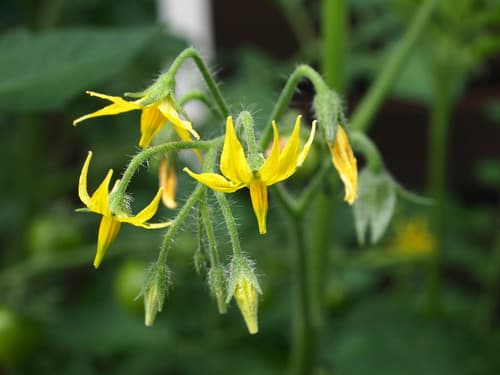
The tomato plant is a flowering annual or perennial herb, typically sprawling or climbing, with hairy, glandular stems and deeply lobed leaves. It produces clusters of small, yellow, star-shaped flowers that develop into fleshy, typically red, edible fruits.