Nasa glabra
NameNasa glabra
Scientific NameNasa glabra
Common NamesOrtiga brava, Pega-pega
Plant FamilyLoasaceae
Natural HabitatNative to the Andean regions of South America, it thrives in montane forests, cloud forests, and disturbed areas at moderate to high altitudes, preferring humid environments.
Parts Usedleaf,whole_plant
Medicinal Actionsanalgesic, anti-inflammatory
Traditional UsesTraditionally, the plant, particularly its fresh leaves, has been used topically as a counter-irritant. It is applied to the skin to alleviate rheumatic pain, arthritis, and muscle aches, with the stinging sensation believed to draw out pain and inflammation from deeper tissues.
Active ConstituentsHistamine, Acetylcholine, Serotonin, Peptides, Flavonoids, Alkaloids
Preparation Methodspoultice, tincture
Contraindications & WarningsSevere skin irritation, blistering, and allergic reactions are common due to the potent stinging hairs; direct contact should be avoided. Not recommended for internal use due to potential toxicity and severe gastrointestinal irritation. Avoid contact with eyes and mucous membranes. Pregnant or breastfeeding women and individuals with sensitive skin should exercise extreme caution or avoid use.
Cultivation NotesPrefers well-drained, humus-rich soil in partial shade and requires a humid environment, mimicking its native Andean cloud forest habitat. Cultivation outside its natural range can be challenging due to specific environmental needs and the necessity for careful handling to avoid stinging.
Rarityuncommon
Description
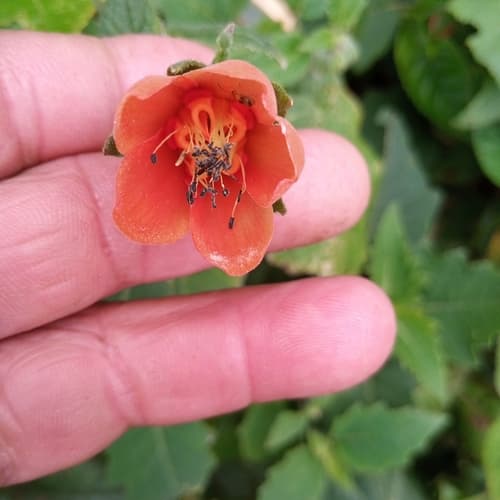
Nasa glabra is an herbaceous plant characterized by its vibrant orange-red, cup-shaped flowers with intricate central staminal structures. Its stems and leaves are typically covered in potent stinging hairs, which can cause significant skin irritation upon contact.