Tobacco
NameTobacco
Scientific NameNicotiana tabacum
Common NamesTobacco, Cultivated Tobacco, Common Tobacco
Plant FamilySolanaceae
Natural HabitatOriginally native to tropical and subtropical regions of the Americas, it is now widely cultivated worldwide in temperate to tropical climates. It thrives in well-drained, fertile soil and full sun.
Parts Usedleaf,flower,root
Medicinal Actionsanalgesic, antimicrobial, astringent
Traditional UsesHistorically, indigenous peoples of the Americas used tobacco extensively in spiritual ceremonies and as a medicinal plant. Topically, it was applied as a poultice for pain relief, insect bites, skin irritations, and wounds due to its analgesic and antimicrobial properties. Internally, in very small, controlled doses, it was used as an emetic, purgative, or for its psychoactive effects in ritual contexts, though modern herbalism strongly advises against internal use due to its high toxicity and addictive nature.
Active ConstituentsNicotine, Nornicotine, Anabasine, Phenolic compounds
Preparation Methodsinfusion, decoction, poultice, powder
Contraindications & WarningsTobacco is highly toxic and addictive. Internal use is strongly contraindicated due to severe health risks, including cardiovascular disease, cancer, and respiratory issues. It is contraindicated in pregnancy, breastfeeding, heart conditions, hypertension, ulcers, diabetes, and psychiatric conditions. It interacts with numerous medications and should never be used without expert medical supervision, especially internally.
Cultivation NotesTobacco prefers full sun and rich, well-drained soil. Seeds are typically started indoors and transplanted after the last frost. Plants require consistent moisture and warm temperatures. Topping (removing the flower head) is often practiced to encourage larger leaf growth.
Raritycommon
Description
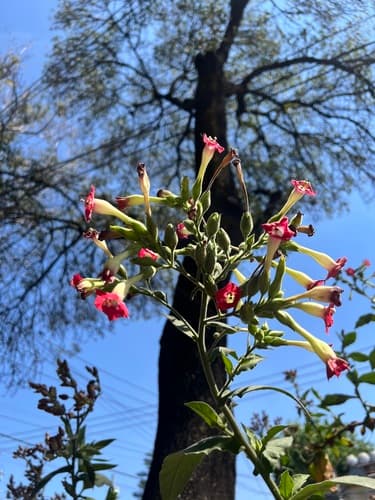
A robust annual herbaceous plant growing up to 2 meters tall, characterized by large, broad, sticky leaves and terminal clusters of tubular, often pinkish-red to white flowers. It is cultivated globally for its leaves, which are processed for various uses.