Racemose Morning Glory
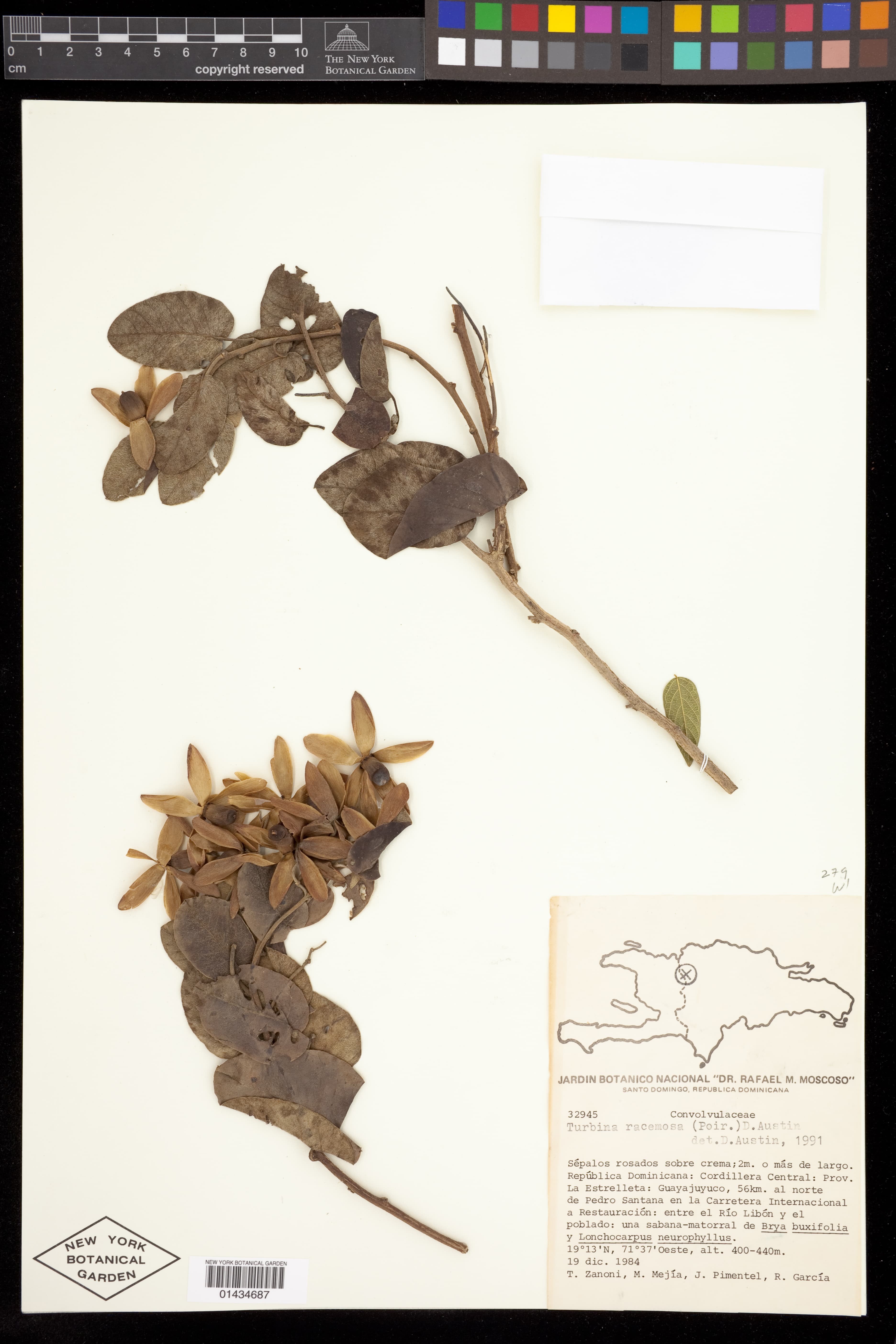
Image: The New York Botanical Garden (cc-by)
NameRacemose Morning Glory
Scientific NameIpomoea racemosa
Common NamesRacemose Morning Glory, Dominican Morning Glory
Plant FamilyConvolvulaceae
Natural HabitatNative to savanna-scrubland ecosystems in the Central Cordillera of the Dominican Republic, found at elevations between 400-440 meters. It is often associated with species like Brya buxifolia and Lonchocarpus neurophyllus.
Parts Usedleaf,flower,seed,root
Medicinal Actionsanti-inflammatory, antioxidant
Traditional UsesSpecific traditional medicinal uses for Ipomoea racemosa are not well-documented in available ethnobotanical literature. However, other species within the Ipomoea genus are traditionally used for purgative effects, wound healing, and sometimes for psychoactive properties.
Active Constituentsresin glycosides, ergoline alkaloids (in seeds of some Ipomoea species)
Preparation Methodsinfusion, decoction, powder
Contraindications & WarningsDue to limited specific research on Ipomoea racemosa, contraindications are not well-established. As with many Ipomoea species, caution is advised, especially regarding potential purgative or psychoactive effects from seeds, and use during pregnancy or lactation.
Cultivation NotesThis plant thrives in well-drained soils and full sun, typical of savanna-scrubland environments. It is likely drought-tolerant once established and prefers warm climates.
Rarityuncommon
Description
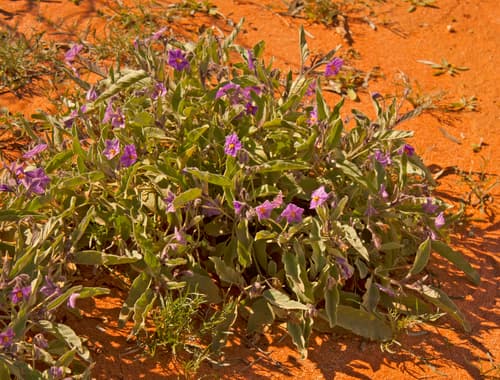
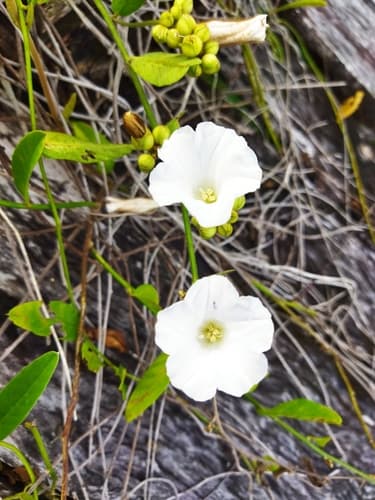
A woody vine or shrub, typically growing over 2 meters long, characterized by ovate leaves. Its flowers feature distinctive pink sepals over a cream base, developing into winged fruits.