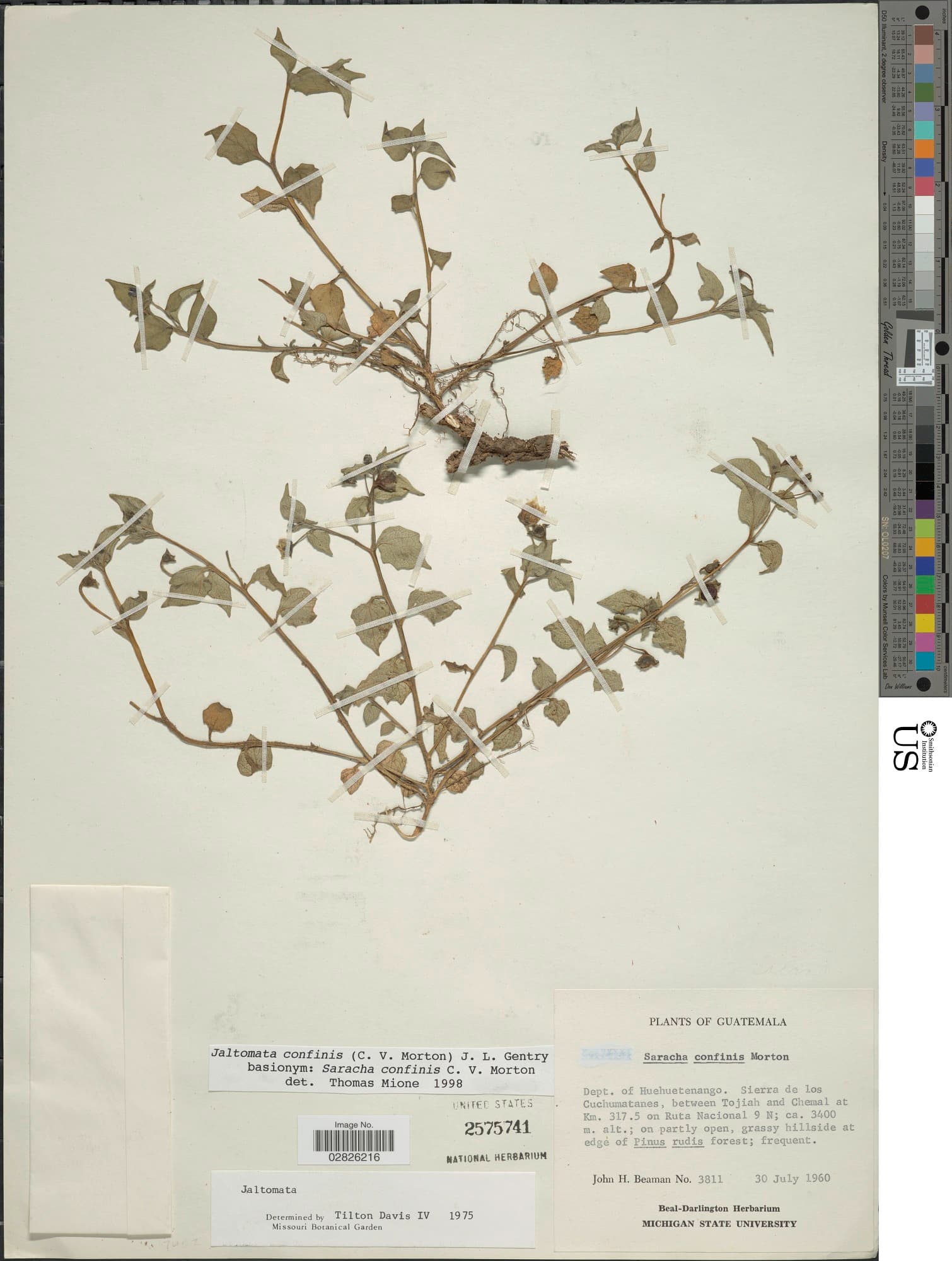
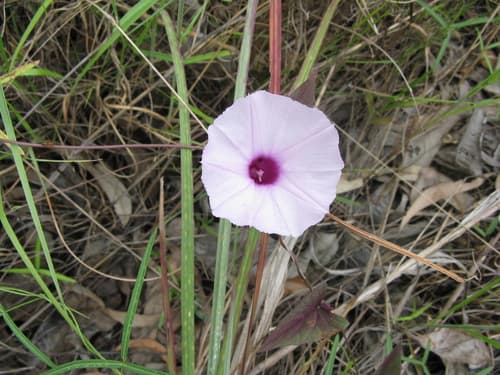
Ipomoea neei
NameIpomoea neei
Scientific NameIpomoea neei
Plant FamilyConvolvulaceae
Natural HabitatNative to South America, particularly Brazil, Bolivia, and Paraguay, where it can be found in various environments including forest edges, open woodlands, and disturbed areas.
Parts Used
Traditional UsesTraditional medicinal uses specifically for Ipomoea neei are not widely documented in available ethnobotanical literature. While other species within the Ipomoea genus are known for various medicinal properties (e.g., purgative, anti-inflammatory, or psychoactive effects from seeds), these cannot be directly attributed to Ipomoea neei without specific research.
Contraindications & WarningsSpecific contraindications for Ipomoea neei are not documented. However, caution is advised with all Ipomoea species, as some contain potent compounds (e.g., ergoline alkaloids in seeds of certain species) that can be toxic or psychoactive. Consultation with an expert is recommended before any use.
Cultivation NotesAs a member of the Ipomoea genus, it likely prefers full sun to partial shade and well-drained soil. It can typically be grown from seed and may exhibit a climbing or sprawling habit, potentially requiring support if cultivated in a garden setting.
Rarityuncommon
Description
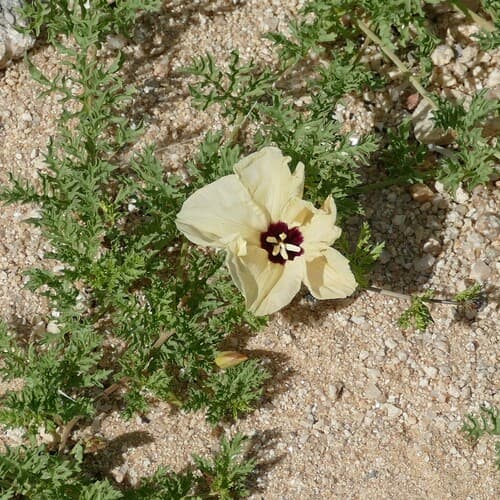
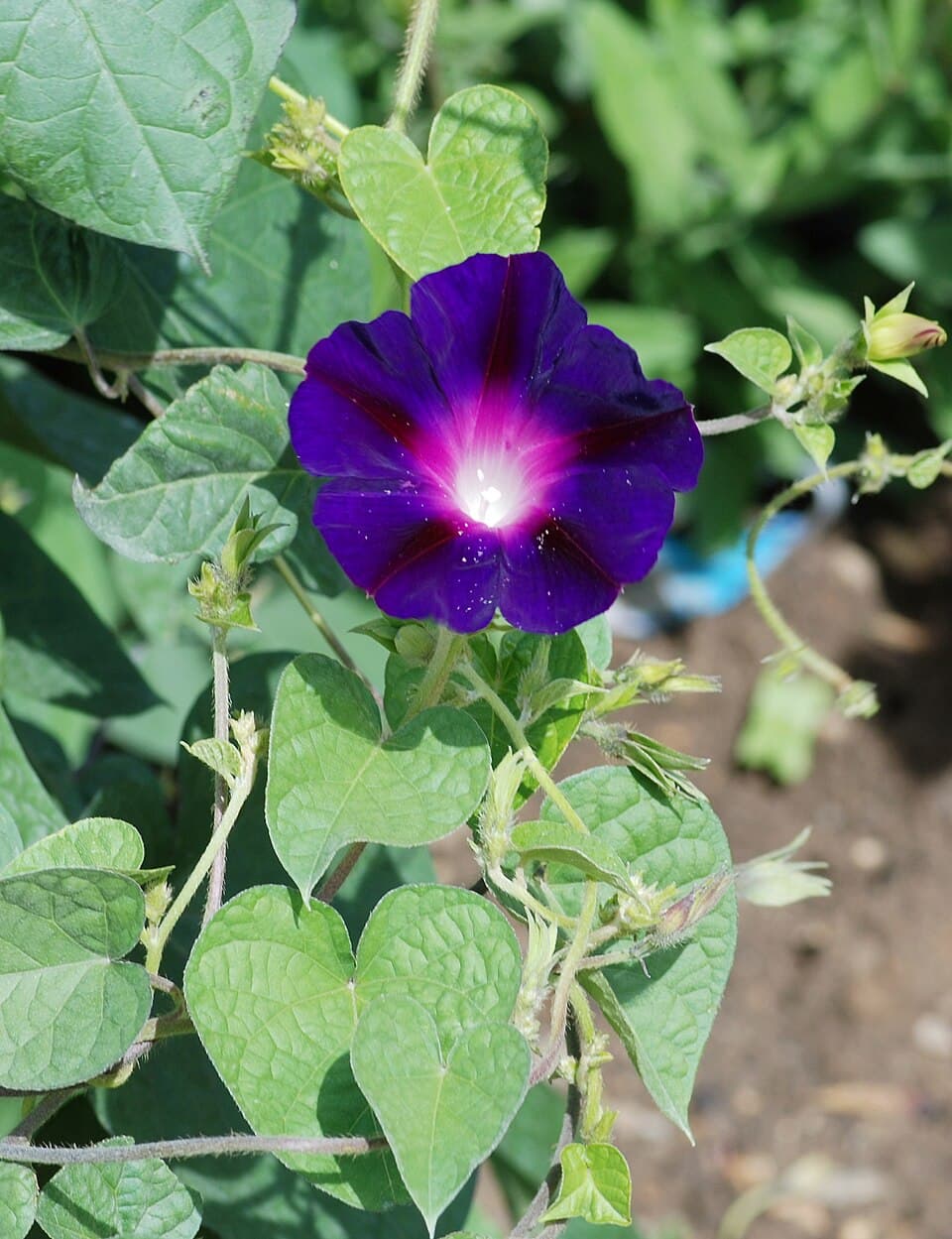
Ipomoea neei is a species of morning glory characterized by its striking tubular flowers, which typically display a reddish-purple base transitioning to yellow-orange towards the flared opening. The flowers feature long, prominent stamens and pistils that extend beyond the corolla, and are subtended by distinctive spiky calyces. It is likely a vine or sprawling herb.