tlanochtle
Nametlanochtle
Scientific NameSolanum elaeagnifolium
Common NamesSilverleaf Nightshade, Silverleaf Horsenettle, White Horsenettle, Purple Nightshade, Trompillo, Sosa, Quiebraplatos
Plant FamilySolanaceae
Natural HabitatNative to the Americas, it thrives in disturbed soils, grasslands, pastures, roadsides, and agricultural fields. It is highly adaptable to various soil types and climates, often considered a noxious weed.
Parts Usedfruit,leaf,root
Medicinal Actionsanalgesic, anti-inflammatory, diuretic, sedative
Traditional UsesTraditionally, the plant, particularly the fruits and roots, has been used by indigenous peoples for various ailments. It was applied externally as a poultice for skin conditions, insect bites, and pain relief, and internally (with extreme caution due to toxicity) as a diuretic or sedative. Some cultures used its fruits to curdle milk for cheese making.
Active ConstituentsSolasodine, Solanine, Solamargine, Glycoalkaloids
Preparation Methodspoultice, decoction
Contraindications & WarningsHighly toxic due to steroidal glycoalkaloids; ingestion can cause severe gastrointestinal distress, neurological symptoms, and can be fatal. Should not be used internally without expert supervision. Avoid use during pregnancy and lactation, and keep away from children and pets.
Cultivation NotesConsidered a noxious weed in many regions, it is generally not cultivated intentionally. It is drought-tolerant and spreads aggressively via rhizomes and seeds, making it difficult to eradicate once established.
Raritycommon
Description
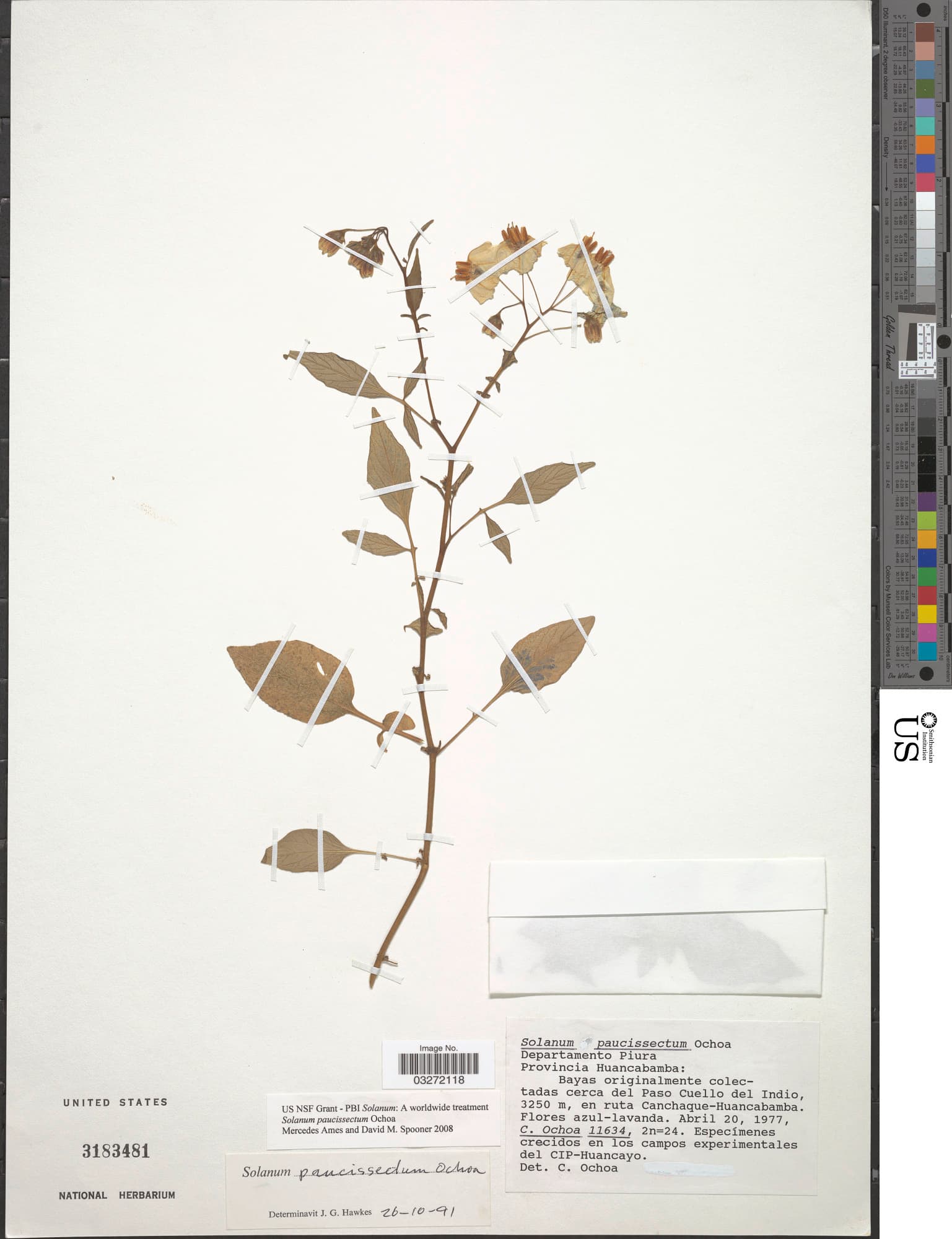
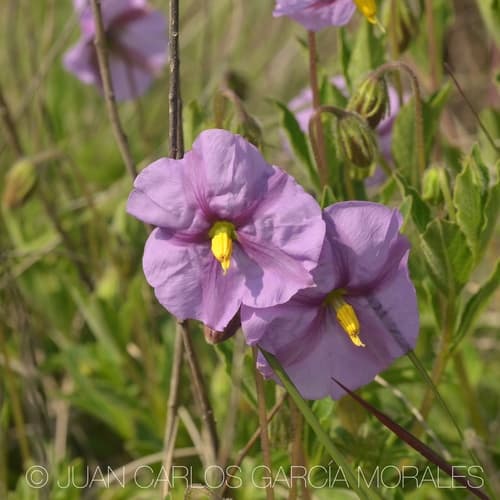
A perennial herbaceous plant characterized by its striking purple, star-shaped flowers with prominent yellow anthers fused into a cone. Its stems and leaves are often covered in silvery, star-shaped hairs, giving it a distinctive appearance.