Wild Potato
Image: Conveyor Belt (cc0)
NameWild Potato
Scientific NameSolanum acroglossum
Common NamesWild Potato, Papa Silvestre
Plant FamilySolanaceae
Natural HabitatNative to the high-altitude Andean regions of Peru and Bolivia, typically found at elevations around 3000-3500 meters. It often grows in disturbed areas, roadsides, and agricultural fields.
Parts Usedroot,leaf,flower
Medicinal Actionsanalgesic, anti-inflammatory, antimicrobial
Traditional UsesTraditionally, the tubers (roots) of Solanum acroglossum, like many wild potato species, have been consumed as a food source by indigenous Andean communities, often requiring processing (e.g., boiling, drying) to reduce levels of toxic glycoalkaloids. While specific medicinal uses for S. acroglossum are not widely documented, other Solanum species are traditionally used for their anti-inflammatory and pain-relieving properties, often due to their steroidal alkaloid content.
Active Constituentssteroidal glycoalkaloids, saponins
Preparation Methodsinfusion, decoction, powder
Contraindications & WarningsAll parts of Solanum acroglossum, especially the tubers and berries, contain varying levels of toxic steroidal glycoalkaloids. Ingestion without proper detoxification can cause gastrointestinal upset, neurological symptoms, and other adverse effects. It should be avoided by pregnant or nursing women, children, and individuals with sensitivities to Solanaceae plants.
Cultivation NotesThis wild potato species can be cultivated from tubers or seeds. It thrives in well-drained, fertile soil and prefers full sun exposure. It is adapted to cool, high-altitude climates and requires conditions similar to those found in its native Andean habitat.
Rarityuncommon
Description
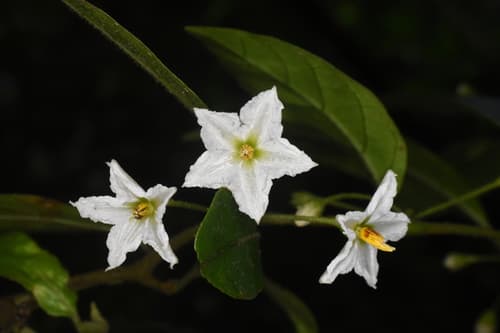
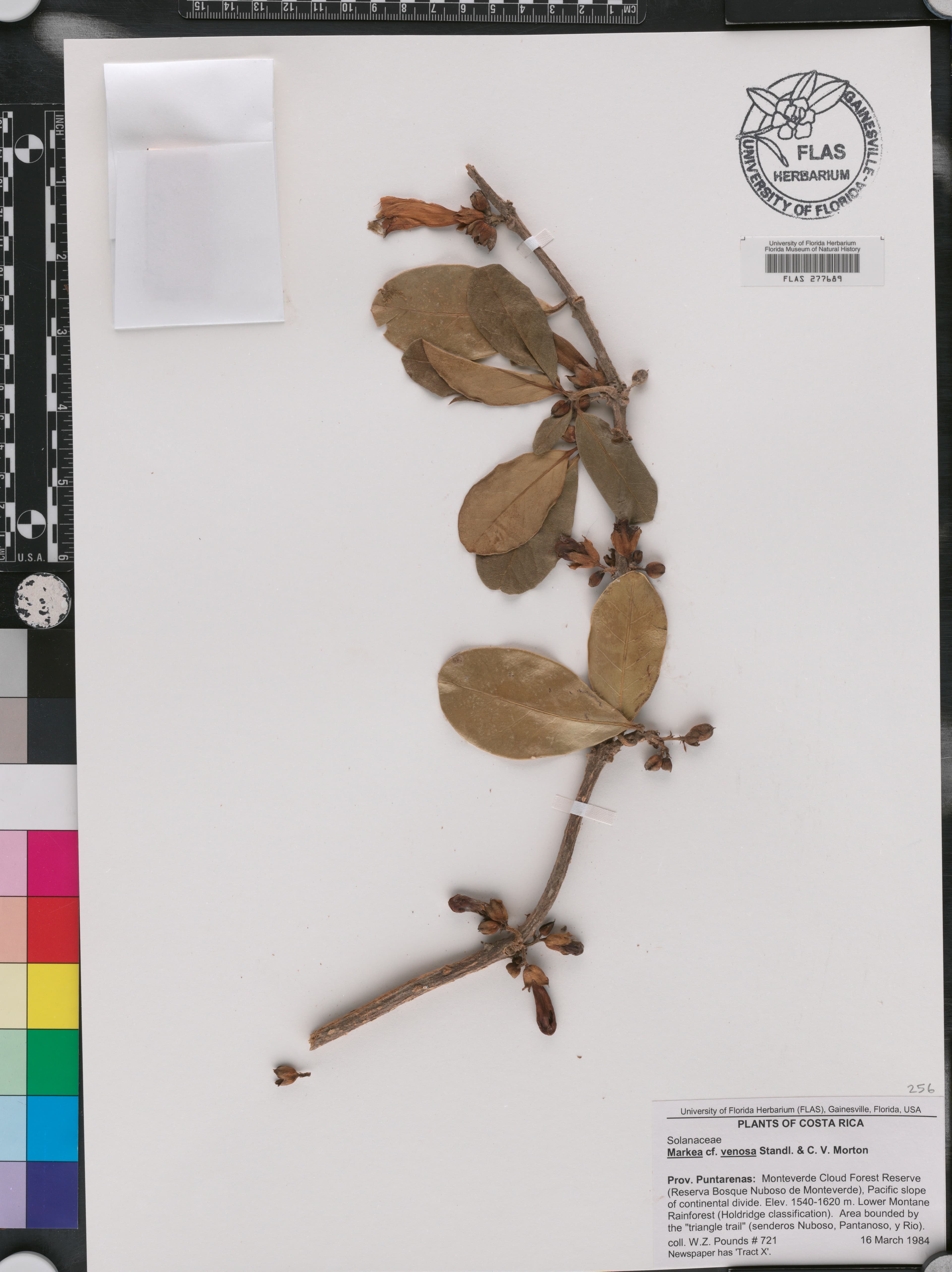
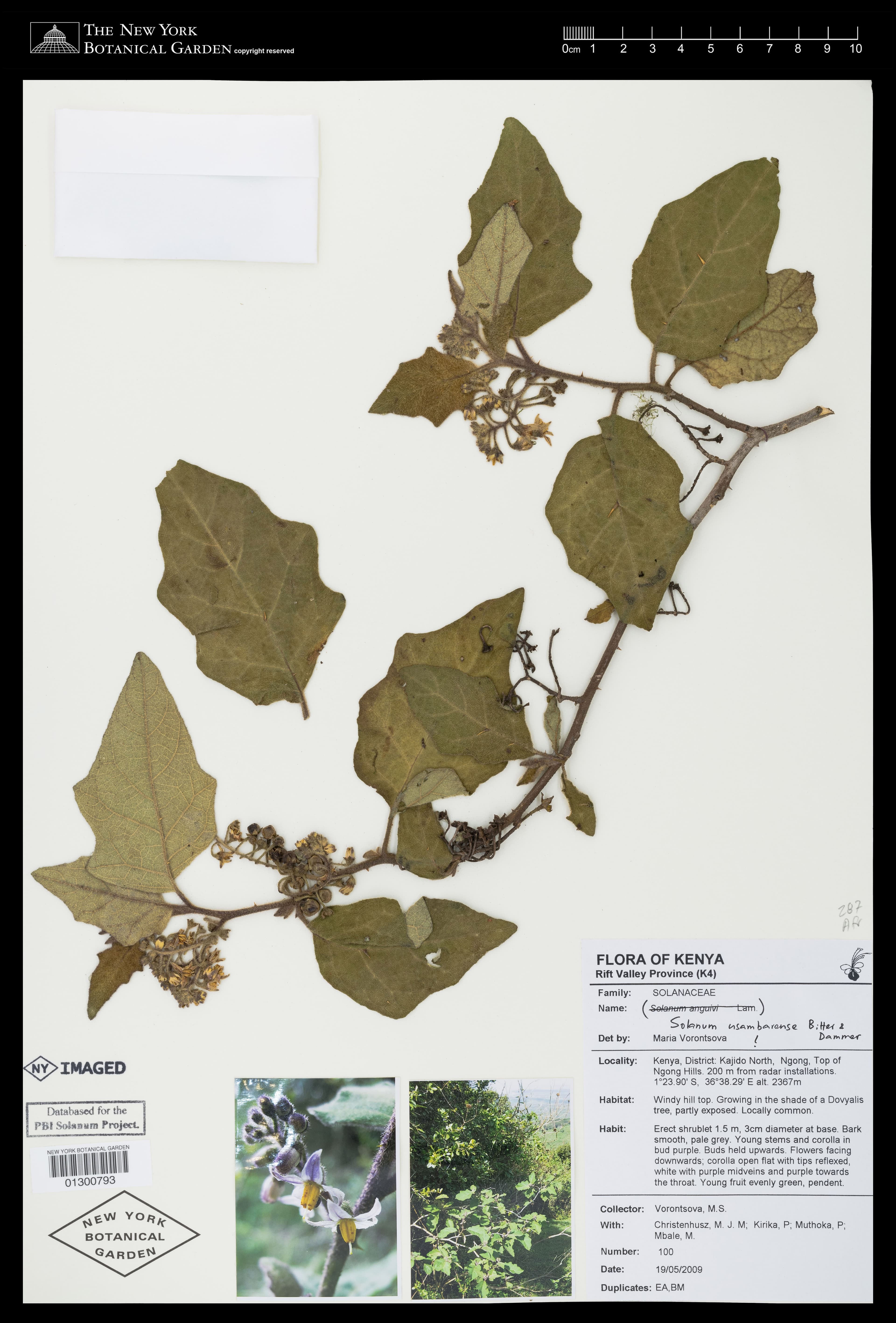
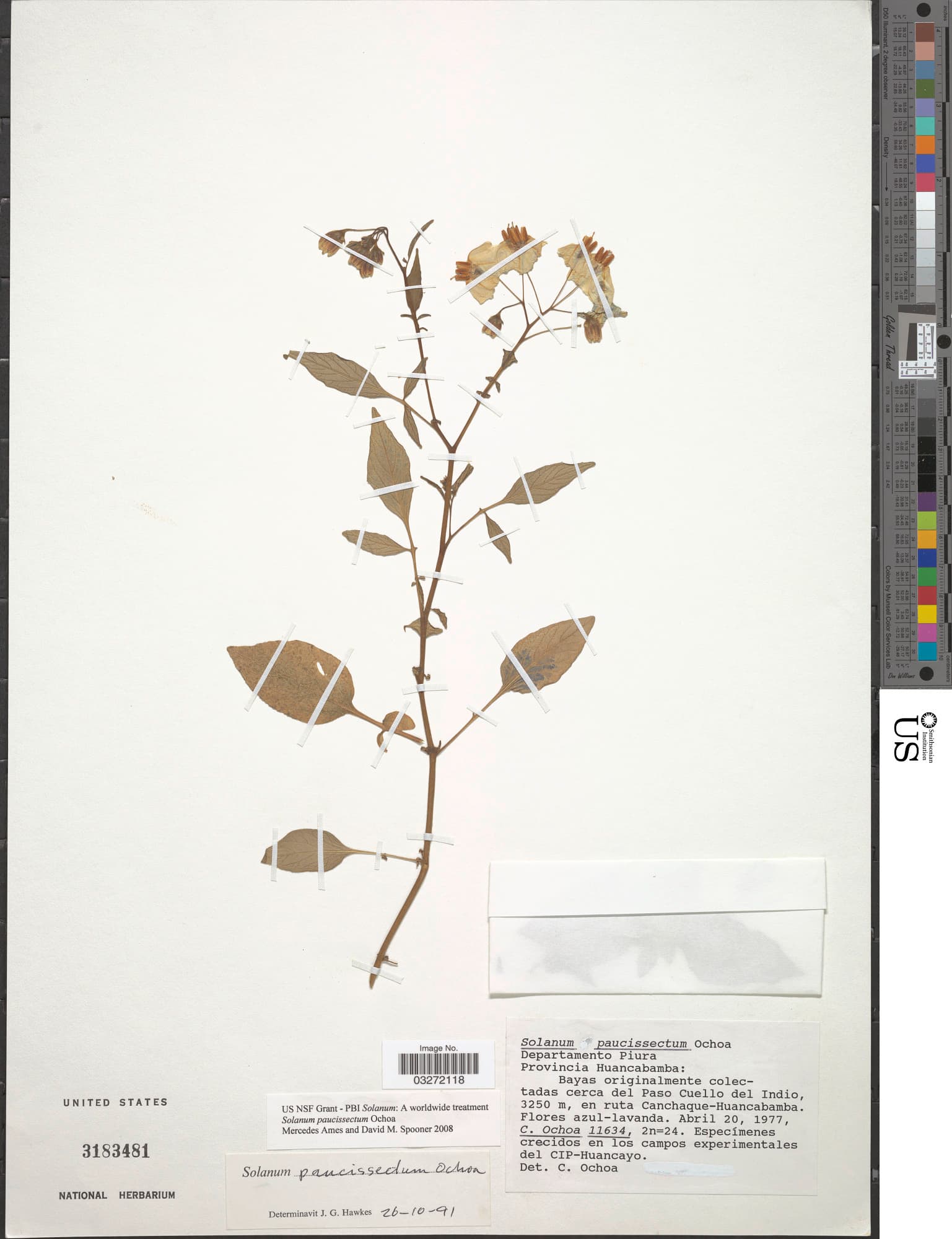
Solanum acroglossum is a herbaceous perennial plant characterized by simple, ovate leaves and terminal or axillary inflorescences bearing bell-shaped, typically blue-lavender flowers. It produces small berries, characteristic of the Solanum genus. The specimen shows a dried stem with leaves and flowers.