Thyme
NameThyme
Scientific NameThymus vulgaris
Common NamesThyme, Common Thyme, Garden Thyme
Plant FamilyLamiaceae
Natural HabitatNative to the Mediterranean region, thyme thrives in sunny, dry, rocky habitats, often found on hillsides, garrigue, and maquis shrublands. It prefers well-drained, poor to moderately fertile soil.
Parts Usedleaf,flower,whole_plant
Medicinal Actionsantimicrobial, anti-inflammatory, expectorant, carminative, antioxidant
Traditional UsesTraditionally, thyme has been used to treat respiratory conditions such as coughs, bronchitis, and sore throats due to its expectorant and antimicrobial properties. It is also employed as a digestive aid to relieve gas and bloating, and topically for minor wounds, skin infections, and as an antiseptic mouthwash.
Active ConstituentsThymol, Carvacrol, Linalool, p-Cymene, Flavonoids
Preparation Methodsinfusion, decoction, tincture, essential oil, powder, salve
Contraindications & WarningsThyme essential oil should be used with caution and diluted, as it can be irritating to skin and mucous membranes. High doses of thyme or its essential oil are generally not recommended during pregnancy or for individuals with thyroid disorders. May interact with anticoagulant medications.
Cultivation NotesThyme prefers full sun and well-drained soil, tolerating poor soil conditions and drought once established. It is a hardy perennial that benefits from light pruning after flowering to maintain shape and encourage new growth.
Raritycommon
Description
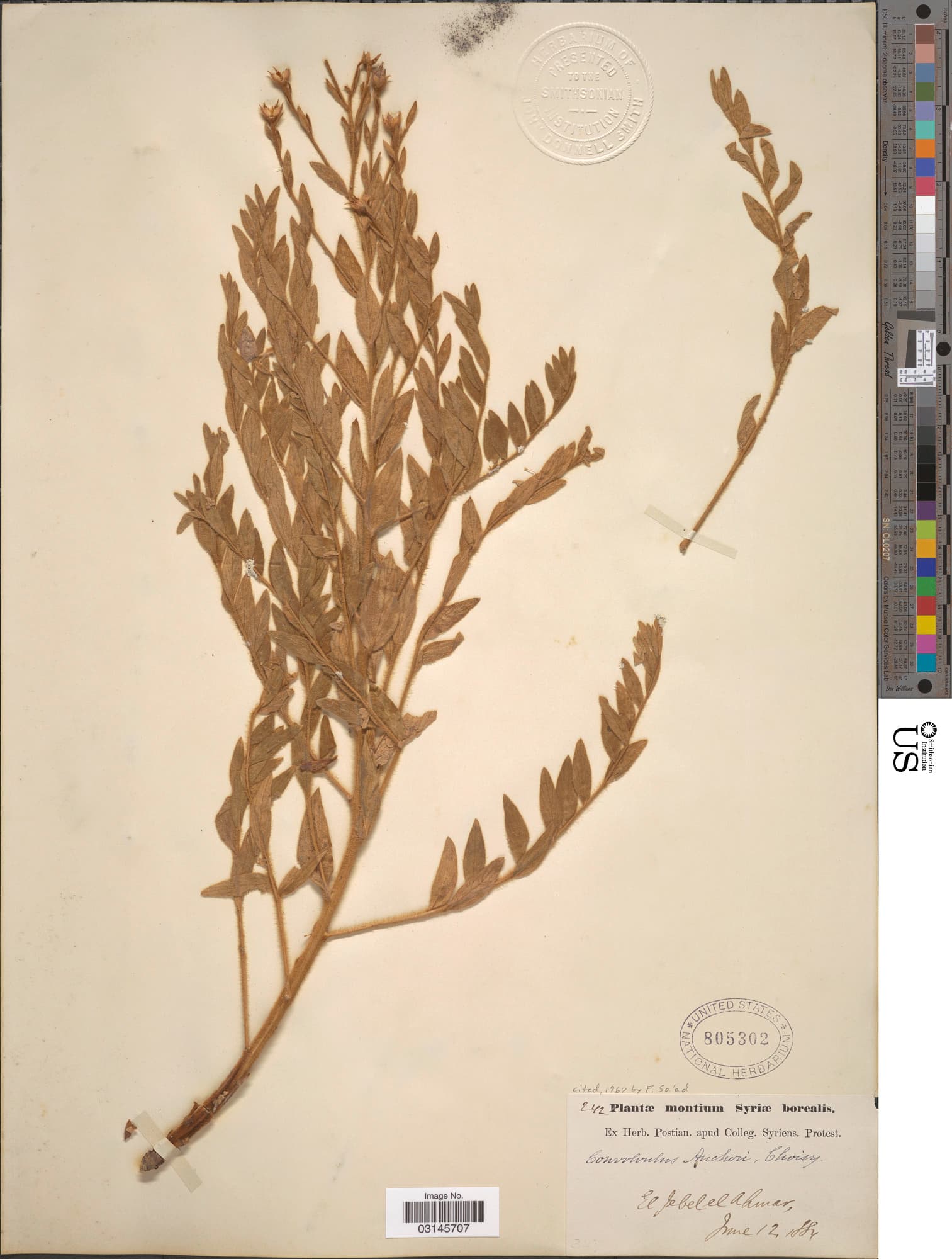
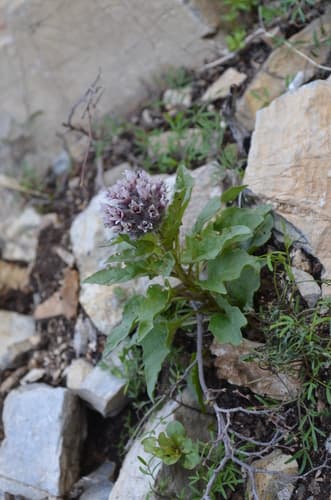
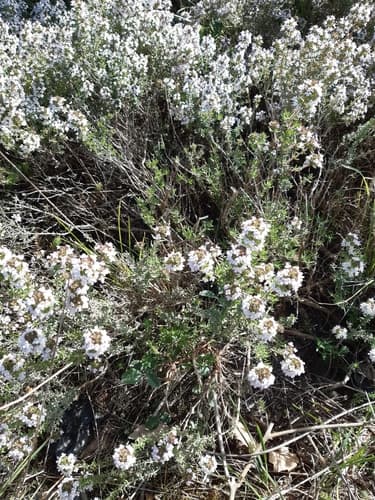
Thyme is a low-growing, aromatic perennial shrub characterized by small, oval, grey-green leaves and tiny, often white to pale purple flowers clustered at the stem tips. It typically forms dense mats or small bushes, releasing a strong fragrance when brushed.