Physochlaina semenowii
NamePhysochlaina semenowii
Scientific NamePhysochlaina semenowii
Common NamesSemenov's Physochlaina
Plant FamilySolanaceae
Natural HabitatThis plant is native to mountainous and rocky regions of Central Asia, including Kazakhstan, Kyrgyzstan, Tajikistan, and Uzbekistan. It thrives in dry, well-drained soils, often found on scree, stony slopes, and riverbeds at higher elevations.
Parts Usedroot,leaf,seed
Medicinal Actionsanalgesic, sedative
Traditional UsesTraditionally, Physochlaina semenowii has been used in Central Asian folk medicine primarily for its potent pain-relieving and sedative properties. It was applied cautiously for conditions such as toothache, rheumatic pain, and as an antispasmodic, often in highly diluted forms or externally due to its high toxicity.
Active Constituentshyoscyamine, scopolamine, atropine
Preparation Methodsdecoction, infusion, powder, poultice, tincture
Contraindications & WarningsPhysochlaina semenowii is highly toxic due to its tropane alkaloid content and should not be used without expert medical supervision. Contraindications include glaucoma, prostate enlargement, heart conditions, pregnancy, breastfeeding, and use in children. Overdose can lead to severe anticholinergic syndrome, including hallucinations, delirium, coma, and death. It interacts dangerously with other anticholinergic drugs, sedatives, and alcohol.
Cultivation NotesThis plant prefers full sun to partial shade and requires well-drained, rocky or sandy soil. It is drought-tolerant once established and can withstand cold temperatures, making it suitable for alpine or rock gardens in appropriate climates. Propagation is typically by seed.
Rarityuncommon
Description
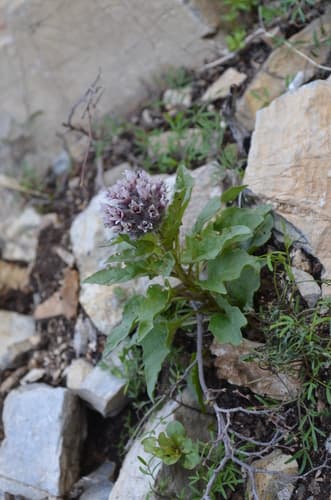
Physochlaina semenowii is a perennial herbaceous plant characterized by its clustered, purplish-brown to pale violet, bell-shaped flowers and ovate to oblong, often slightly toothed leaves. It typically grows as a low-lying plant, often found emerging from rocky crevices or scree slopes.