Thuthuvalai
NameThuthuvalai
Scientific NameSolanum trilobatum
Common NamesThuthuvalai, Purple-fruited pea eggplant, Three-lobed nightshade, Climbing brinjal
Plant FamilySolanaceae
Natural HabitatNative to tropical and subtropical regions, it thrives in warm, humid climates. It is commonly found in disturbed areas, scrublands, and coastal regions.
Parts Usedwhole_plant,leaf,fruit,root
Medicinal Actionsanti-inflammatory, antimicrobial, antioxidant, expectorant, analgesic, adaptogen
Traditional UsesWidely utilized in Siddha and Ayurvedic medicine, Solanum trilobatum is traditionally used for respiratory ailments such as cough, cold, asthma, and bronchitis. It is also employed for digestive issues, skin conditions, and as a general tonic, with its leaves often consumed as a vegetable.
Active ConstituentsSolasodine, Solamargine, Solanine, Flavonoids, Saponins, Glycosides, Phenolic compounds
Preparation Methodsinfusion, decoction, powder, tincture, salve
Contraindications & WarningsDue to the presence of solanaceous alkaloids, large quantities should be avoided, especially by pregnant/nursing women and young children. May cause gastrointestinal upset in sensitive individuals. Potential interactions with medications affecting the nervous system or liver should be considered.
Cultivation NotesThis plant prefers full sun to partial shade and well-drained soil, thriving in tropical to subtropical climates. It is a vigorous climber that may require support and can be propagated from seeds or cuttings.
Raritycommon
Description
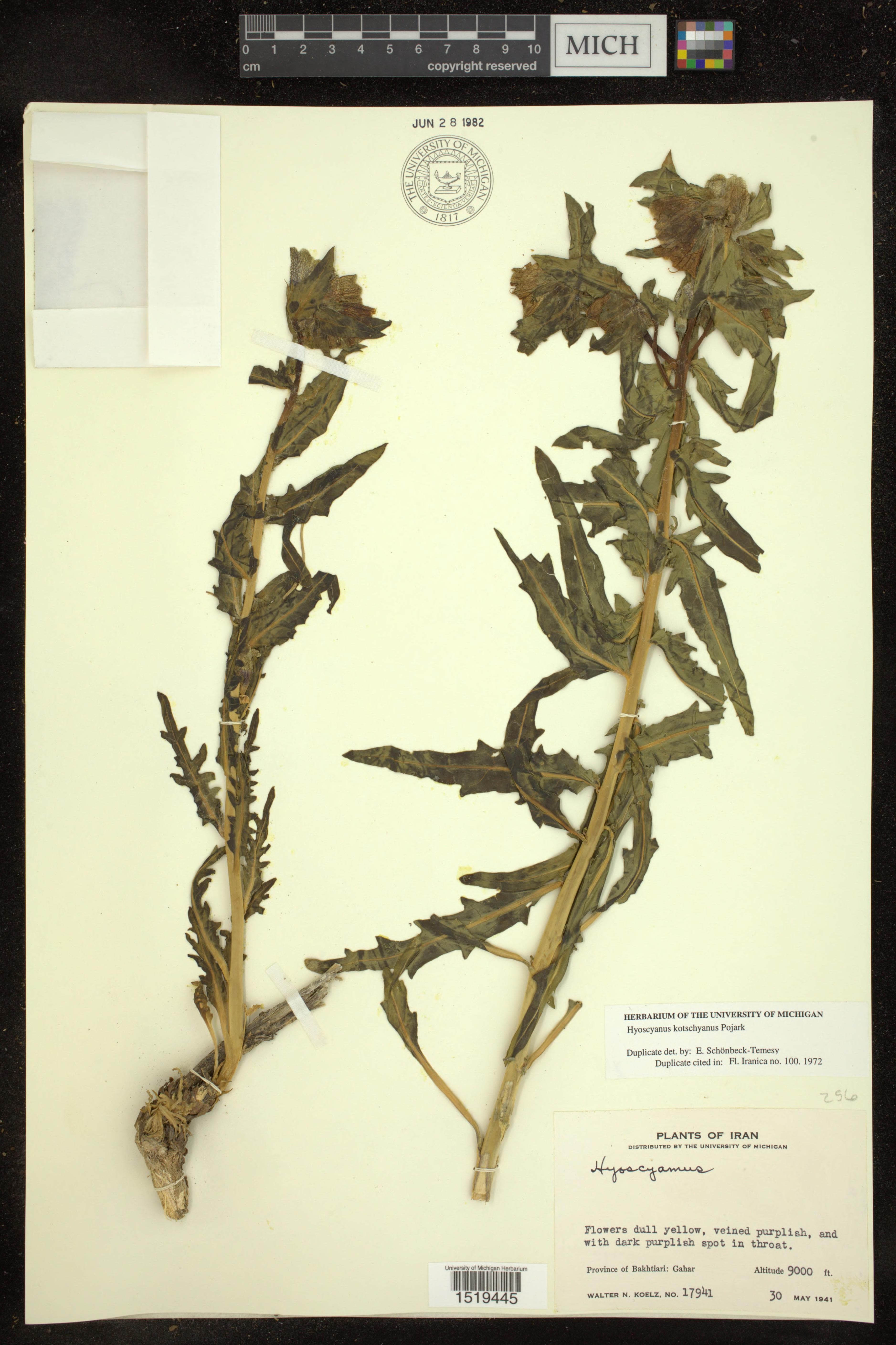
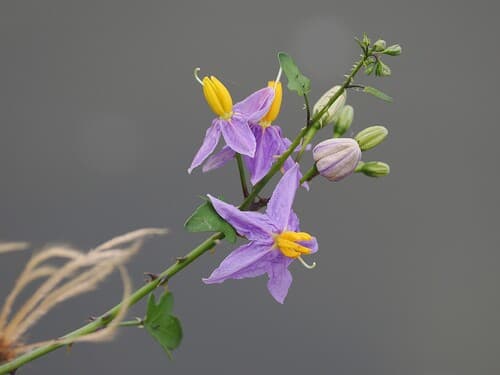
Solanum trilobatum is a thorny, perennial climbing herb characterized by its trilobed leaves and striking star-shaped purple flowers with prominent yellow anthers. It produces small, spherical, red berries upon maturity.