Lantana
NameLantana
Scientific NameLantana camara
Common NamesLantana, Shrub Verbena, Wild Sage, Spanish Flag, West Indian Lantana
Plant FamilyVerbenaceae
Natural HabitatThis species is native to the tropical Americas but has naturalized globally, thriving in disturbed areas, open woodlands, forest edges, and coastal regions. It is often considered an invasive weed in many subtropical and tropical environments.
Parts Usedleaf,flower,root
Medicinal Actionsanti-inflammatory, antimicrobial, antioxidant, analgesic, astringent
Traditional UsesTraditionally, various parts of Lantana camara have been used to treat fevers, colds, coughs, malaria, and skin conditions like wounds and rashes. Leaves are often prepared as poultices for topical application to reduce swelling and pain from sprains or rheumatic conditions.
Active ConstituentsLantadenes (pentacyclic triterpenoids), flavonoids, iridoid glycosides, essential oils (e.g., caryophyllene, germacrene D)
Preparation Methodsinfusion, decoction, poultice, powder
Contraindications & WarningsAll parts of the plant, particularly the unripe berries, are toxic if ingested, potentially causing gastrointestinal upset, liver damage, and photosensitivity. Internal use is generally not recommended and should only be undertaken with extreme caution and expert supervision.
Cultivation NotesLantana camara is easy to cultivate in full sun to partial shade and well-drained soil. It is highly drought-tolerant once established and can tolerate a wide range of soil conditions. Due to its invasive potential, regular pruning is often necessary to manage its growth.
Raritycommon
Description
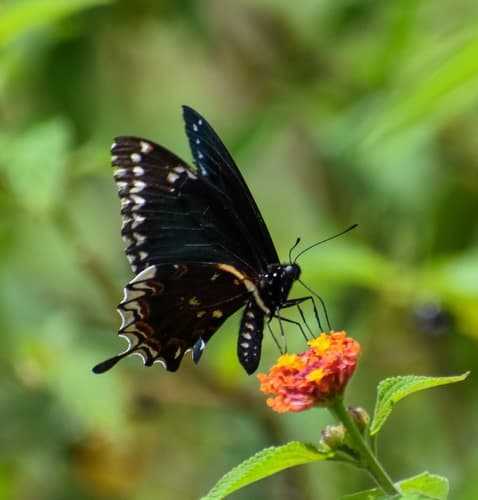
Lantana camara is a robust, perennial flowering shrub characterized by its rough, ovate leaves and square stems. It produces dense clusters of small, tubular flowers that display a vibrant array of colors, often changing from yellow to orange, red, or pink as they mature.