Solanum falciforme
NameSolanum falciforme
Scientific NameSolanum falciforme
Common NamesSolanum falciforme
Plant FamilySolanaceae
Natural HabitatNative to South America, particularly Brazil, where it can be found in diverse habitats such as cerrado, caatinga, and forest edges.
Parts Usedwhole_plant
Medicinal Actionsanti-inflammatory, antimicrobial
Traditional UsesWhile other Solanum species have documented traditional medicinal uses, specific traditional medicinal applications for Solanum falciforme are not widely documented in ethnobotanical literature. Research on its chemical constituents suggests potential pharmacological activities, but these are not established traditional uses.
Active Constituentssolasodine, steroidal glycoalkaloids
Contraindications & WarningsAll parts of Solanum falciforme, like many species within the Solanum genus, are likely toxic due to the presence of steroidal glycoalkaloids such as solasodine. Ingestion can cause gastrointestinal upset, neurological symptoms, and other adverse effects. It is not recommended for internal or external medicinal use without expert guidance.
Cultivation NotesThis species generally thrives in warm climates with well-drained soil and prefers full sun to partial shade. Propagation is typically achieved through seeds.
Rarityuncommon
Description
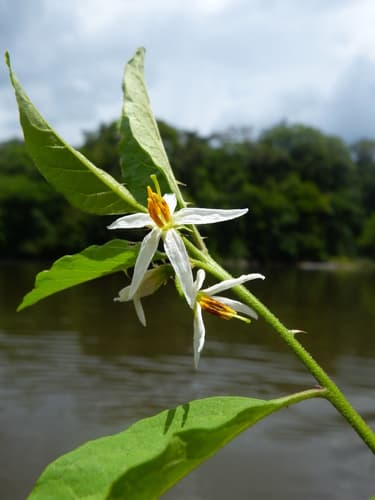
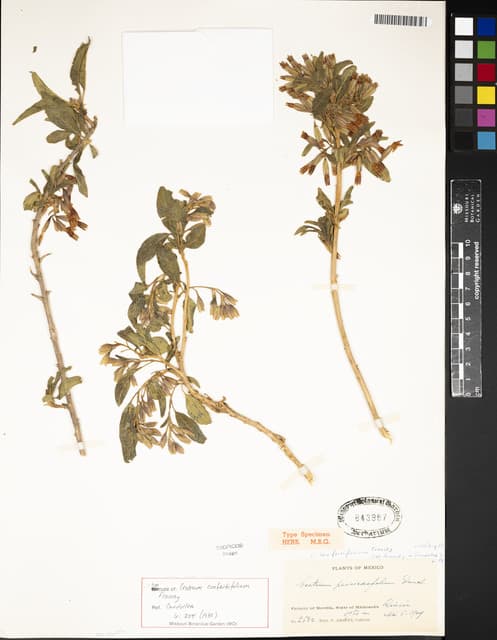
Solanum falciforme is a shrub or small tree characterized by dense, stellate hairs covering its stems, leaves, and flower buds, giving it a fuzzy appearance. It produces clusters of vibrant purple, star-shaped flowers with prominent yellow anthers, which are typical of the Solanum genus.