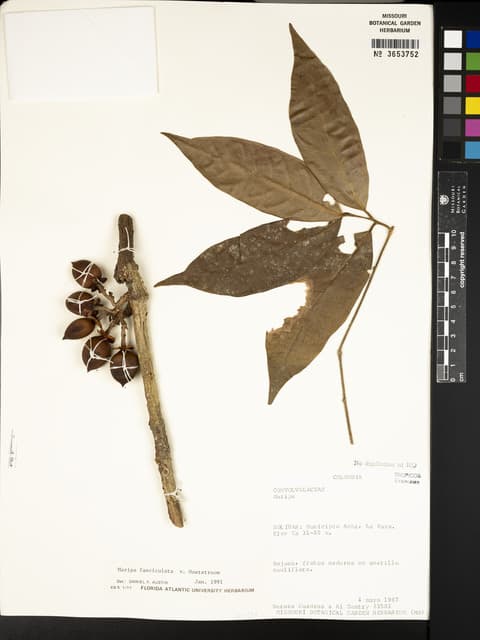
Sword Groundcherry
NameSword Groundcherry
Scientific NamePhysalis angustifolia
Common NamesSword Groundcherry, Narrow-leaf Groundcherry
Plant FamilySolanaceae
Natural HabitatTypically found in sandy soils, open woodlands, fields, disturbed areas, and coastal plains, primarily in the southeastern United States.
Parts Usedfruit,leaf
Medicinal Actionsantioxidant, anti-inflammatory, diuretic
Traditional UsesWhile specific traditional medicinal uses for Physalis angustifolia are not extensively documented, other closely related Physalis species have been traditionally used for their diuretic properties, to support kidney and bladder health, and as a general tonic. The ripe fruits of many groundcherry species are edible and have been consumed for their nutritional value.
Active ConstituentsWithanolides, Physalins, Flavonoids, Carotenoids
Preparation Methodsinfusion, powder
Contraindications & WarningsAs a member of the Solanaceae family, unripe fruits and other plant parts may contain solanine-like alkaloids and can be toxic. Pregnant or breastfeeding women should avoid consumption. Individuals with allergies to other Solanaceae plants should exercise caution.
Cultivation NotesPrefers full sun to partial shade and well-drained, sandy soils. It is drought tolerant once established and propagates readily by seed or rhizomes.
Raritycommon
Description
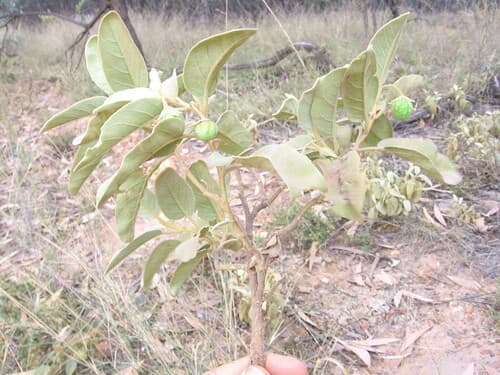
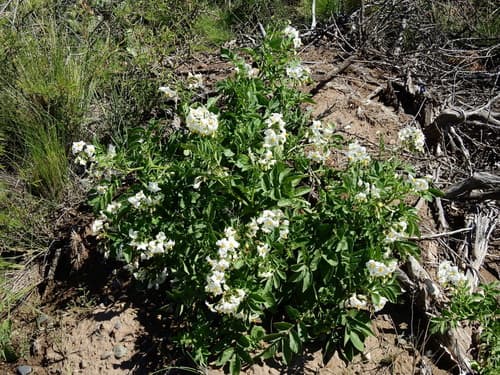
Physalis angustifolia, commonly known as sword groundcherry, is a herbaceous perennial plant characterized by its slender stems, narrow leaves, and small, pale yellow, bell-shaped flowers with a distinctive dark purplish-brown center. After flowering, the calyx expands to enclose a small, edible berry, forming a lantern-like husk.