Blue Vervain
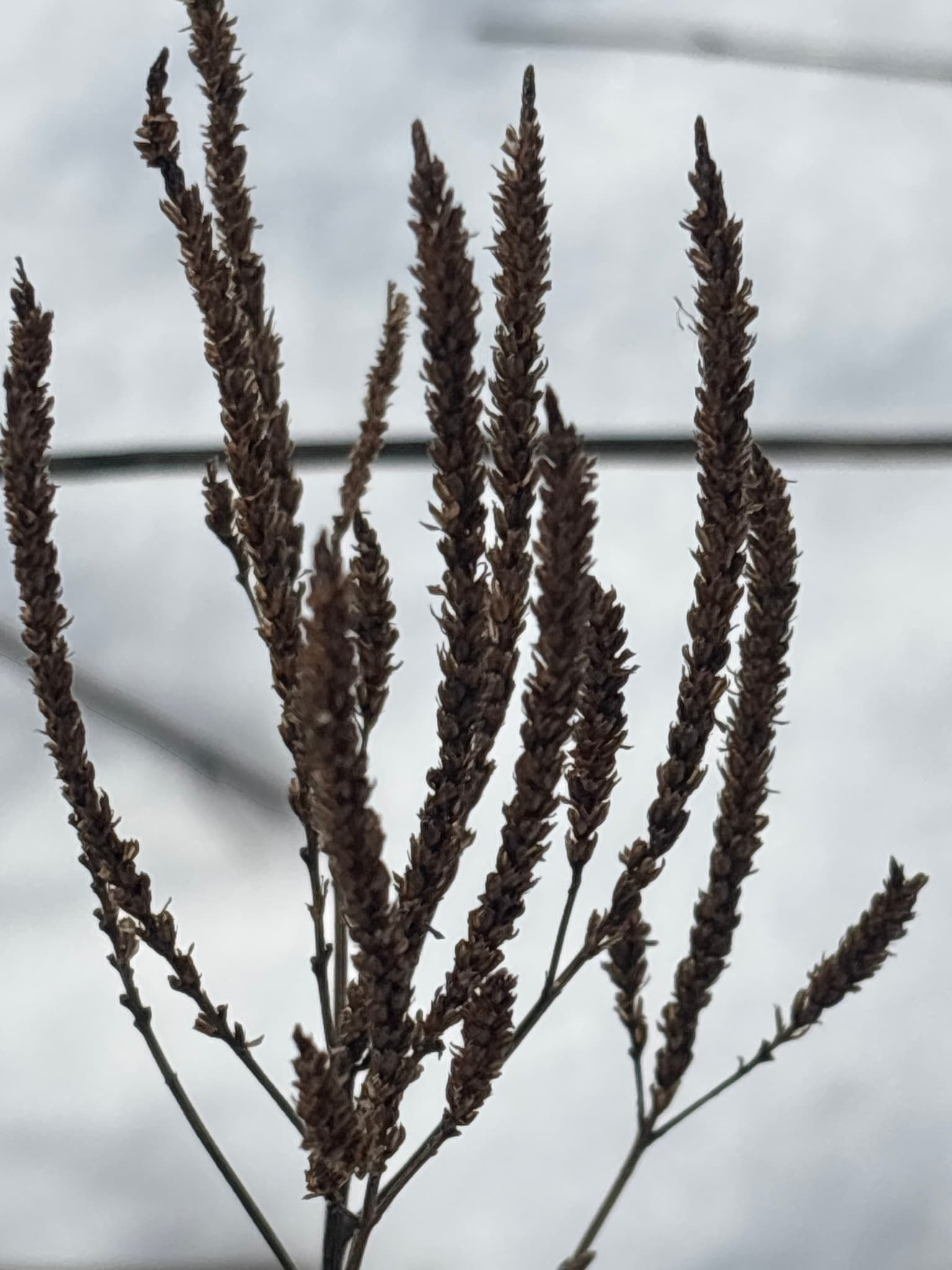
Image: quinnial (cc-by-nc)
NameBlue Vervain
Scientific NameVerbena hastata
Common NamesBlue Vervain, Swamp Verbena, American Vervain, Simpler's Joy
Plant FamilyVerbenaceae
Natural HabitatNative to North America, it thrives in moist, open areas such as meadows, pastures, streambanks, ditches, and wetlands. It prefers full sun to partial shade and rich, well-drained to wet soils.
Parts Usedwhole_plant
Medicinal Actionsnervine, sedative, anti-inflammatory, expectorant, diuretic, analgesic, antioxidant
Traditional UsesTraditionally used as a nervine to calm the nervous system, alleviate anxiety, tension, and insomnia. It's also employed for headaches, fevers, colds, coughs, and as a digestive bitter. Historically, it was used as a uterine tonic and to induce sweating.
Active ConstituentsIridoid glycosides (verbenalin, hastatoside), volatile oils, tannins, mucilage, flavonoids
Preparation Methodsinfusion, tincture, powder, poultice
Contraindications & WarningsNot recommended during pregnancy due to potential uterine stimulant effects. May interact with blood pressure medications or sedatives. Large doses can cause nausea or vomiting.
Cultivation NotesEasily grown from seed, prefers full sun and moist to wet soil. Tolerates a range of soil types but thrives in rich, loamy conditions. Can self-seed readily.
Raritycommon
Description
Blue Vervain is a tall, perennial herbaceous plant growing up to 6 feet, characterized by its square stems and lance-shaped, toothed leaves. It produces numerous slender spikes of small, five-petaled blue-purple flowers in late summer, which mature into small brown seed capsules.