Sweet wormwood
NameSweet wormwood
Scientific NameArtemisia annua
Common NamesSweet Wormwood, Sweet Annie, Annual Wormwood, Qinghao
Plant FamilyAsteraceae
Natural HabitatNative to temperate Asia, Sweet wormwood is now widely naturalized across various continents. It thrives in disturbed soils, roadsides, waste areas, and open fields, preferring full sun exposure.
Parts Usedleaf,flower,whole_plant
Medicinal Actionsantimicrobial, anti-inflammatory, antioxidant
Traditional UsesTraditionally, Sweet wormwood has been a cornerstone of Traditional Chinese Medicine (known as Qinghao) for treating fevers, malaria, and various parasitic infections. It has also been employed for its anti-inflammatory properties and to aid digestion.
Active ConstituentsArtemisinin, Artemisinic acid, Camphor, Pinene, Cineole, Flavonoids
Preparation Methodsinfusion, decoction, tincture, powder, essential oil
Contraindications & WarningsNot recommended for pregnant or breastfeeding women. High doses or prolonged use may lead to side effects such as nausea, vomiting, or dizziness. It may interact with certain medications, particularly those metabolized by the liver.
Cultivation NotesThis annual plant is easily grown from seed in full sun and well-drained soil. It can readily self-seed and prefers moderate watering, showing some drought tolerance once established.
Raritycommon
Description
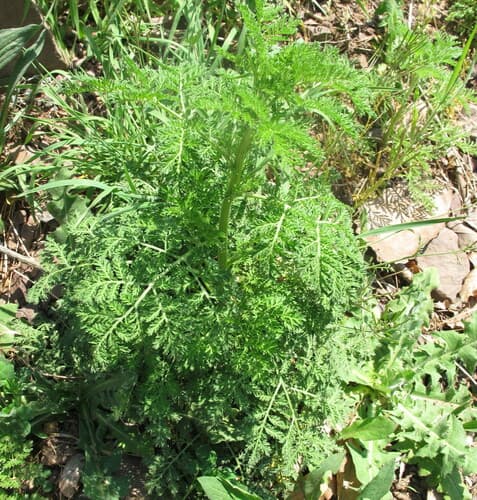
Sweet wormwood is an annual herbaceous plant characterized by its highly aromatic, finely dissected, fern-like leaves and small, yellowish-green flowers. It typically grows upright, forming a bushy plant that can reach significant heights.