Stonecrop
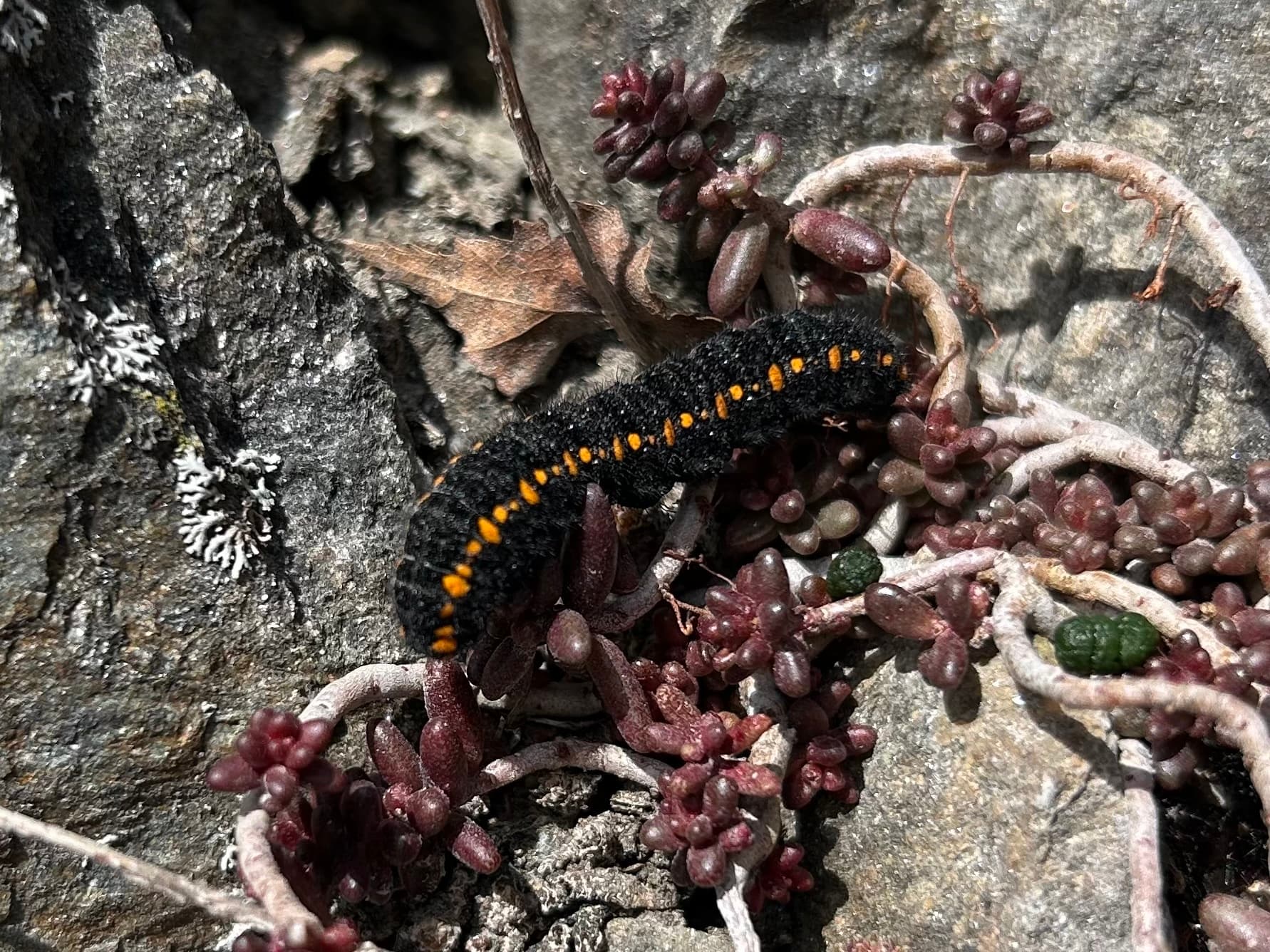
Image: Oliver Stöhr (cc-by-nc)
NameStonecrop
Scientific NameSedum spp.
Common NamesStonecrop, White Stonecrop, Wormgrass
Plant FamilyCrassulaceae
Natural HabitatRocky outcrops, walls, dry meadows, and poor soils, often in full sun. Native to temperate regions of the Northern Hemisphere.
Parts Usedleaf,whole_plant
Medicinal Actionsastringent, demulcent, anti-inflammatory
Traditional UsesTraditionally, various Sedum species have been used externally as poultices for minor wounds, burns, insect stings, and skin irritations due to their soothing and astringent properties. Less commonly, some species were used internally for digestive issues, though this is generally advised with caution.
Active ConstituentsMucilage, Tannins, Flavonoids
Preparation Methodspoultice, infusion, salve
Contraindications & WarningsGenerally considered low toxicity, but large internal doses may cause gastrointestinal upset. Caution is advised with internal use, especially for pregnant or breastfeeding individuals, as research is limited.
Cultivation NotesEasy to grow in well-drained soil and full sun. Drought-tolerant and thrives in rocky or poor soil conditions. Propagates easily from cuttings or division, making it a resilient groundcover.
Raritycommon
Description
A low-growing succulent perennial forming dense mats, typically found on rocks or dry ground. It features small, plump, cylindrical leaves that can turn reddish in sun or stress, and produces small white or pinkish flowers.