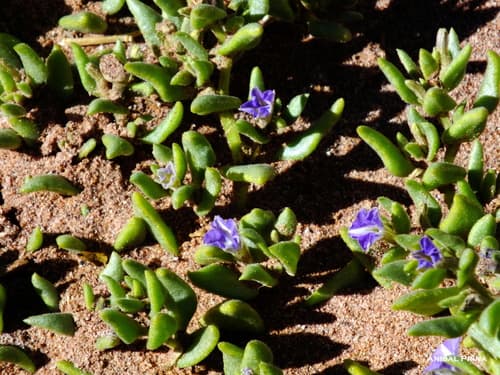
Bahama Nightshade
NameBahama Nightshade
Scientific NameSolanum bahamense
Common NamesBahama Nightshade, Potato Tree
Plant FamilySolanaceae
Natural HabitatNative to the Caribbean, including the Bahamas, Florida, and parts of Central America. It typically grows in coastal hammocks, pine rocklands, scrub, and disturbed areas, often tolerating saline conditions.
Parts Usedleaf,root
Medicinal Actionsanalgesic, anti-inflammatory, antimicrobial
Traditional UsesIn traditional Caribbean folk medicine, preparations from the leaves and roots have been used to address pain, inflammation, and certain skin conditions. It is also sometimes used for fevers, though internal use requires caution due to potential toxicity.
Active ConstituentsSteroidal glycoalkaloids, Flavonoids
Preparation Methodsdecoction, poultice, infusion
Contraindications & WarningsLike many nightshades, *Solanum bahamense* contains steroidal glycoalkaloids which can be toxic if ingested in large quantities, especially the unripe fruits. Pregnant or breastfeeding women, and individuals with allergies to the Solanaceae family, should avoid use. Internal use should be approached with extreme caution due to potential toxicity.
Cultivation NotesPrefers full sun to partial shade and well-drained soil. It is drought-tolerant once established and can tolerate saline conditions, making it suitable for coastal areas. Propagated by seeds or cuttings.
Raritycommon
Description
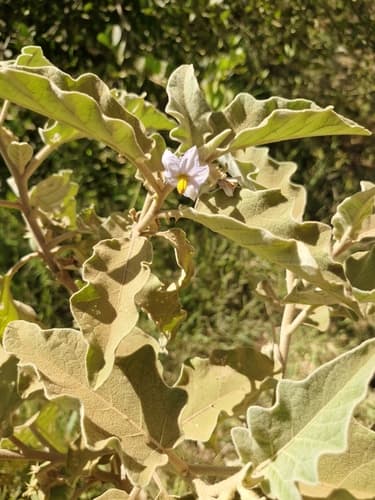
A thorny shrub or small tree, typically growing 1-3 meters tall, with ovate to elliptic leaves that are often spiny. It produces small white to pale lavender flowers with prominent yellow anthers, followed by small red berries.