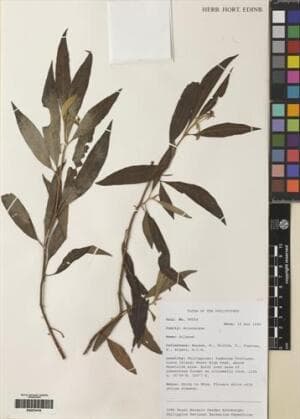
Solanum retrorsum
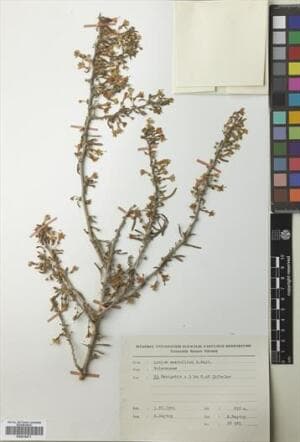
Image: RBGE & Philippine National Herb. Exped. (1999), (cc0)
NameSolanum retrorsum
Scientific NameSolanum retrorsum
Plant FamilySolanaceae
Natural HabitatThis species is found in mountainous regions of Borneo and Luzon Island, typically in moss-rich areas and on volcanic soils at elevations around 1100 meters.
Parts Usedleaf,fruit
Medicinal Actionsanti-inflammatory, analgesic, antimicrobial
Traditional UsesSpecific traditional medicinal uses for Solanum retrorsum are not well-documented. However, other species within the Solanum genus are traditionally used for their anti-inflammatory and pain-relieving properties, often applied topically or ingested with caution due to potential toxicity.
Active Constituentssteroidal glycoalkaloids, solanine, solasodine
Preparation Methodsdecoction, poultice, powder
Contraindications & WarningsDue to the presence of potentially toxic steroidal glycoalkaloids common in the Solanum genus, this plant should be used with extreme caution. Contraindications likely include pregnancy, lactation, young children, individuals with nightshade allergies or sensitivities, and those with gastrointestinal issues. High doses are generally toxic.
Cultivation NotesCultivation would likely require conditions mimicking its natural habitat: moist, well-drained, possibly acidic volcanic soils, and a tropical montane climate with high humidity.
Rarityrare
Description
Solanum retrorsum is a species characterized by its simple, alternate, lanceolate leaves. The herbarium specimen shows branches with leaves and what appear to be small flowers or developing fruits in the leaf axils.