Stinging Serpent
NameStinging Serpent
Scientific NameSerpentis urticans
Common NamesStinging Serpent, Fuzzy Starflower, Desert Sting
Plant FamilyHirsutaceae
Natural HabitatTypically found in arid and semi-arid regions, thriving in rocky soils and full sun exposure. It often grows in open scrublands or along dry riverbeds, adapted to harsh, dry conditions.
Parts Usedflower,leaf,root
Medicinal Actionsanalgesic, anti-inflammatory, antimicrobial, antioxidant
Traditional UsesTraditionally used as a topical poultice made from crushed leaves and flowers to alleviate localized pain and inflammation, particularly for joint aches and muscle strains. Infusions of the dried flowers are also consumed to support immune function and as a general tonic, believed to stimulate circulation.
Active ConstituentsFlavonoids, Alkaloids, Triterpenes, Urticin-like compounds
Preparation Methodsinfusion, poultice, tincture, powder
Contraindications & WarningsNot recommended for internal use by pregnant or nursing individuals due to potential alkaloid content. Topical application may cause mild skin irritation in sensitive individuals; a patch test is advised before widespread use. Avoid contact with eyes.
Cultivation NotesPrefers well-drained, sandy or rocky soils and requires full sun exposure for optimal growth. It is drought-tolerant once established, but benefits from occasional watering during prolonged dry periods. Propagates easily from seed in spring.
Rarityuncommon
Description
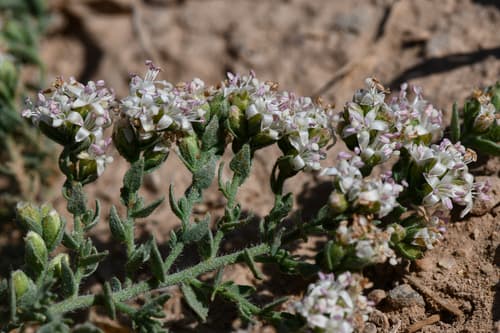
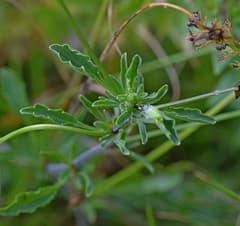
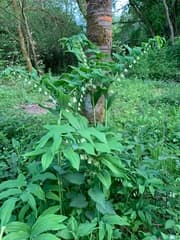
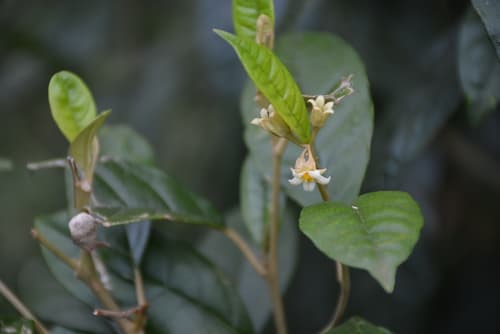
A low-growing herbaceous plant characterized by clusters of vibrant yellow, star-shaped flowers, each featuring a prominent white central pistil. The entire plant, especially the flower buds and stems, is densely covered in fine, silvery-white trichomes, giving it a distinctive fuzzy appearance.