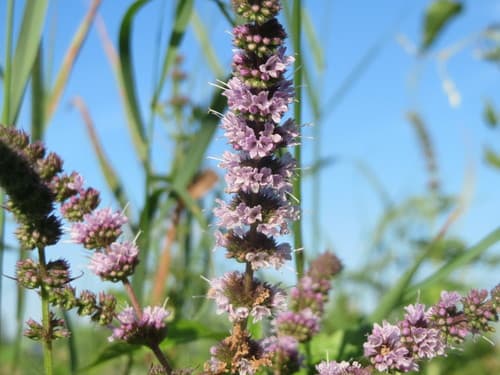
Spearmint
NameSpearmint
Scientific NameMentha spicata
Common NamesSpearmint, Garden Mint, Common Mint
Plant FamilyLamiaceae
Natural HabitatNative to Europe and Asia, Spearmint thrives in moist, well-drained soils in full sun to partial shade. It is commonly found in gardens, along stream banks, and in disturbed, damp areas.
Parts Usedleaf,flower,whole_plant
Medicinal Actionscarminative, anti-inflammatory, antimicrobial, antioxidant, nervine, sedative
Traditional UsesTraditionally, spearmint has been used to alleviate digestive complaints such as indigestion, nausea, gas, and bloating due to its carminative properties. It is also valued for its mild nervine and sedative effects, helping to calm nerves, reduce headaches, and promote relaxation. Spearmint tea is a popular remedy for cold and flu symptoms, and it's often used topically for minor skin irritations.
Active ConstituentsCarvone, Limonene, Menthone, Cineole, Rosmarinic acid, Flavonoids
Preparation Methodsinfusion, essential oil, powder, salve
Contraindications & WarningsGenerally considered safe for most people when consumed in moderate amounts. Large doses of spearmint essential oil can be toxic and should be avoided. Individuals with severe acid reflux may find it exacerbates symptoms by relaxing the esophageal sphincter. Pregnant and breastfeeding women should use with caution and consult a healthcare professional.
Cultivation NotesSpearmint is easy to grow and can be quite invasive, so it's often best planted in containers or with root barriers. It prefers moist, rich soil and thrives in full sun to partial shade, requiring regular watering. Pruning helps encourage bushier growth and prevents it from becoming leggy.
Raritycommon
Description
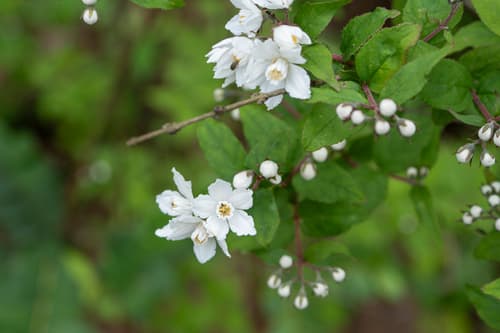
Spearmint is a perennial herbaceous plant characterized by its bright green, lance-shaped, serrated leaves and terminal spikes of small, often pale purple to white flowers. It typically grows upright, reaching heights of 30-100 cm, and spreads readily via underground rhizomes.