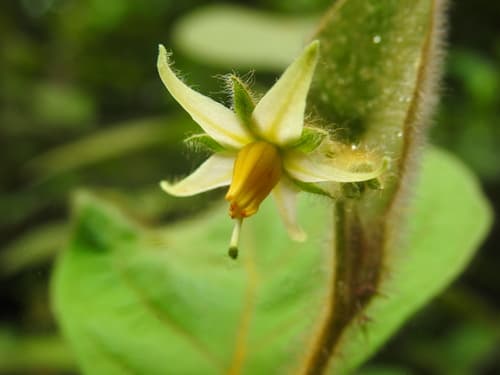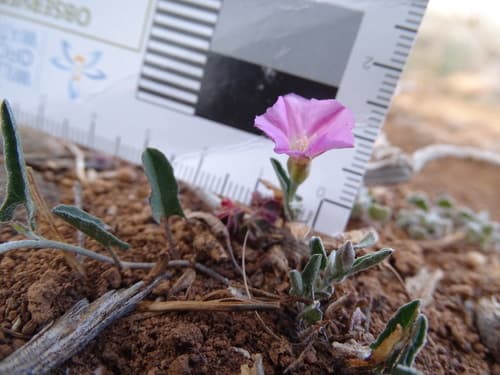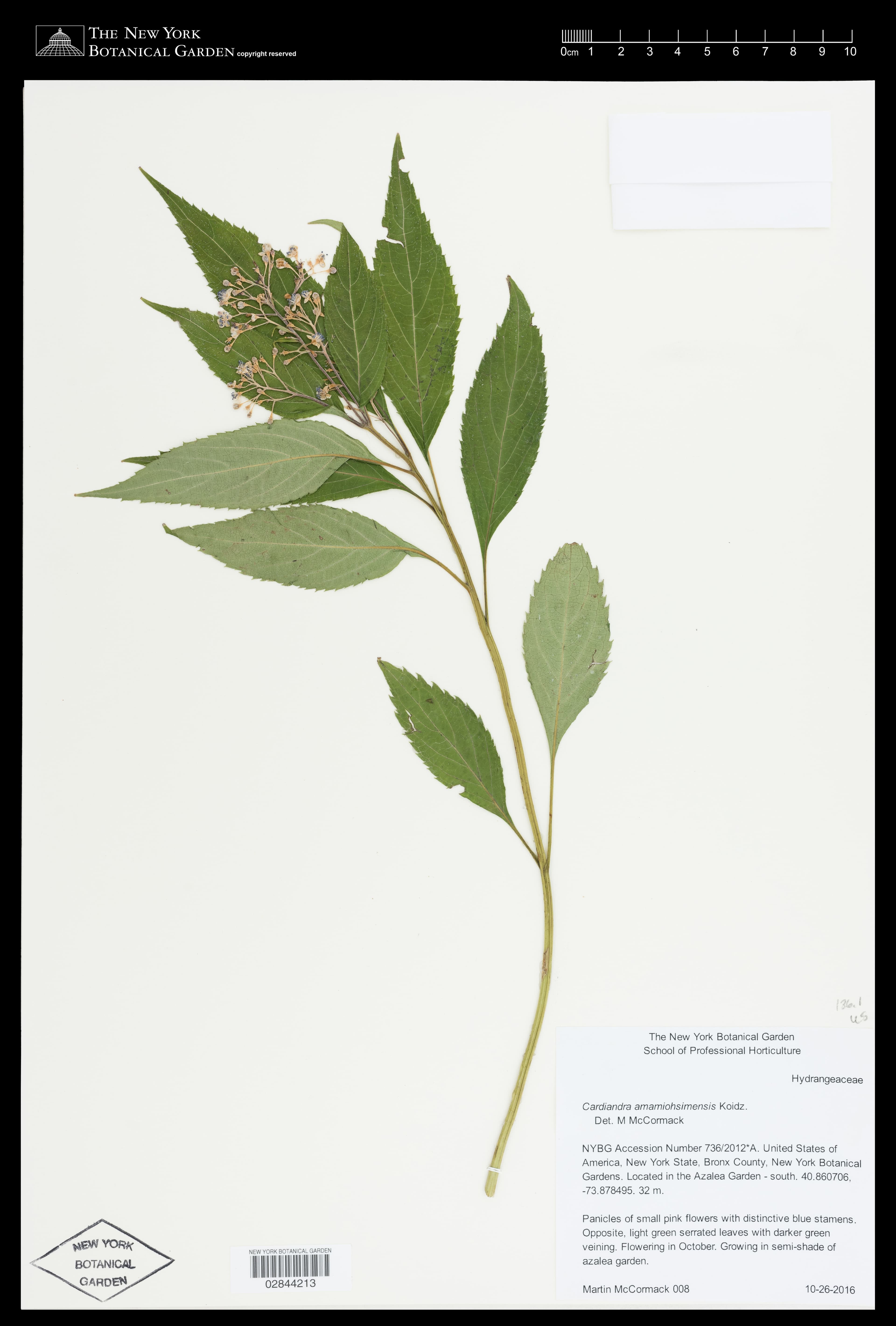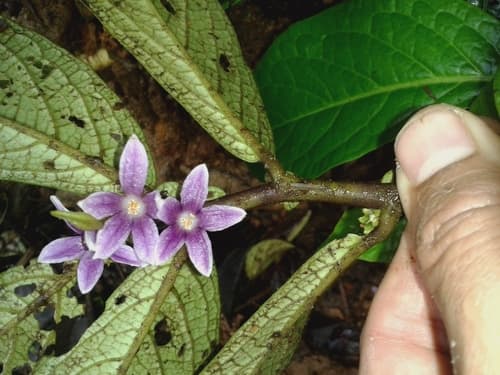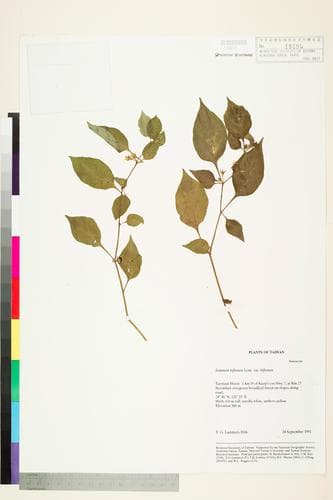
Solanum dianthophorum
Image: T. G. Lammers (cc-by-nc)
NameSolanum dianthophorum
Scientific NameSolanum dianthophorum
Plant FamilySolanaceae
Natural HabitatNative to Taiwan, it thrives in secondary evergreen broadleaf forests on slopes, often found along roadsides at elevations around 900 meters. It prefers subtropical to tropical climates.
Parts Usedwhole_plant
Traditional UsesSpecific traditional medicinal uses for Solanum dianthophorum are not well-documented in available ethnobotanical literature. The genus Solanum is known for species with both edible and toxic properties, often containing steroidal glycoalkaloids.
Active Constituentssteroidal glycoalkaloids, saponins, flavonoids
Contraindications & WarningsDue to the potential presence of toxic steroidal glycoalkaloids common in the Solanum genus, internal use is strongly contraindicated. Caution is advised for any external application. Pregnant or lactating individuals and those with pre-existing conditions should avoid use.
Cultivation NotesThis species prefers subtropical to tropical climates with moist, well-drained soil. It can be found in secondary growth areas, suggesting it tolerates some disturbance and partial shade conditions.
Raritycommon
Description
Solanum dianthophorum is a herbaceous plant or small shrub characterized by simple, ovate leaves arranged alternately on slender stems. The specimen shows dried, pressed branches with foliage, typical of a wild Solanum species.