Hydrangea mathewsii
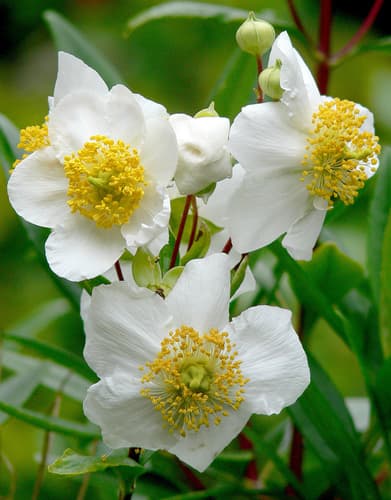
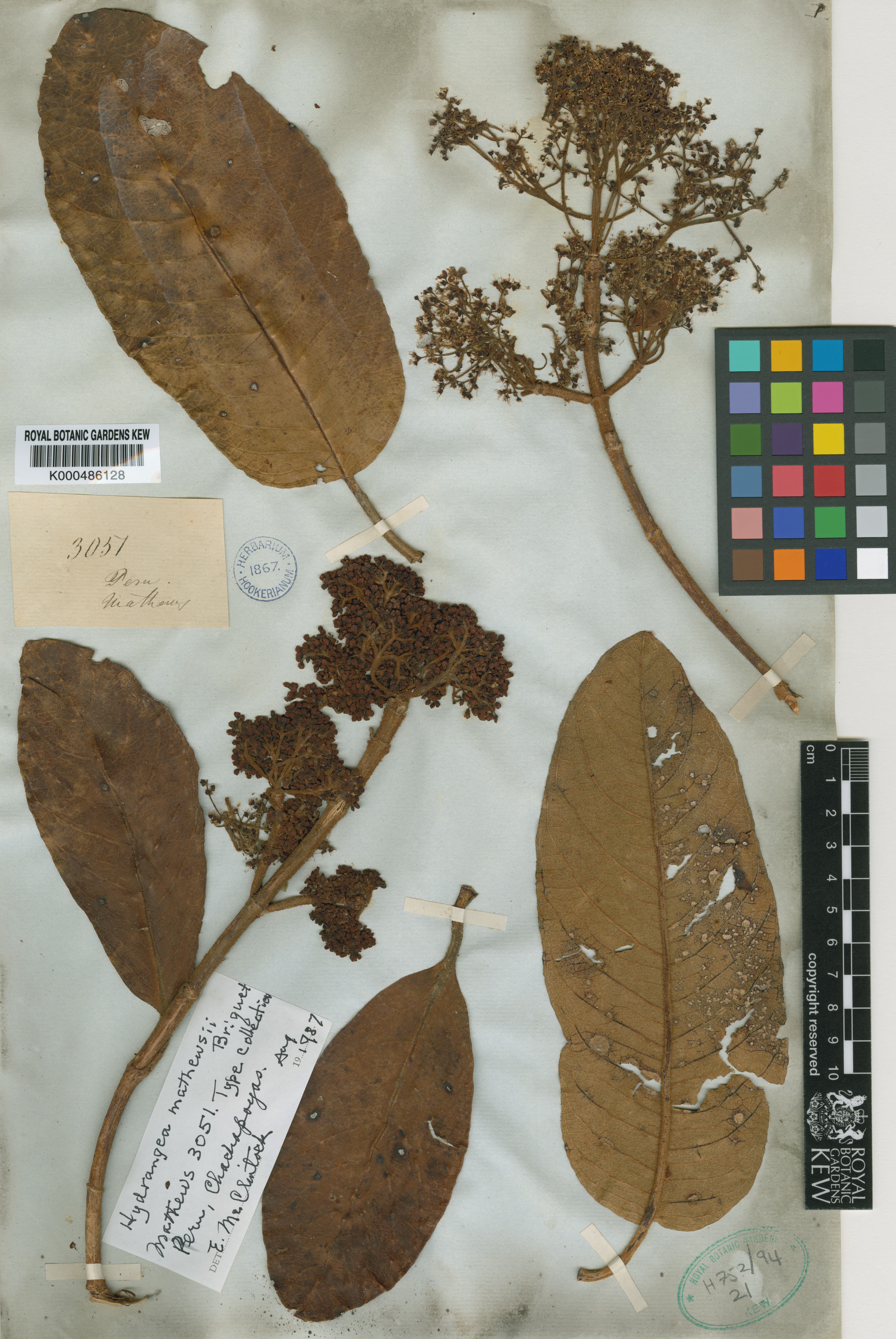
Image: Mathews (cc-by)
NameHydrangea mathewsii
Scientific NameHydrangea mathewsii Briq.
Plant FamilyHydrangeaceae
Natural HabitatThis species is endemic to Peru, typically found in montane forests and cloud forests, often at elevations ranging from 1500 to 3000 meters above sea level.
Parts Usedroot
Medicinal Actionsdiuretic, anti-inflammatory, antimicrobial, antioxidant, astringent
Traditional UsesWhile specific traditional uses for Hydrangea mathewsii are not widely documented, other Hydrangea species, particularly H. arborescens, have been traditionally used for urinary tract health. This includes treating kidney stones, bladder infections, urinary tract infections, and prostate enlargement, due to their diuretic and anti-inflammatory properties.
Active Constituentshydrangin, saponins, flavonoids, hydrangenol, phyllodulcin
Preparation Methodsdecoction, tincture, powder
Contraindications & WarningsLarge doses of Hydrangea species can cause gastrointestinal upset, including nausea, vomiting, and diarrhea. It should be used with caution by individuals with kidney disease or those taking diuretic medications. Pregnant and breastfeeding women are advised to avoid its use.
Cultivation NotesAs a species native to Peruvian montane cloud forests, Hydrangea mathewsii likely thrives in cool, moist, and humid conditions with well-drained, acidic soil. It would prefer partial shade and protection from harsh sun, mimicking its natural understory or forest edge habitat.
Rarityuncommon
Description
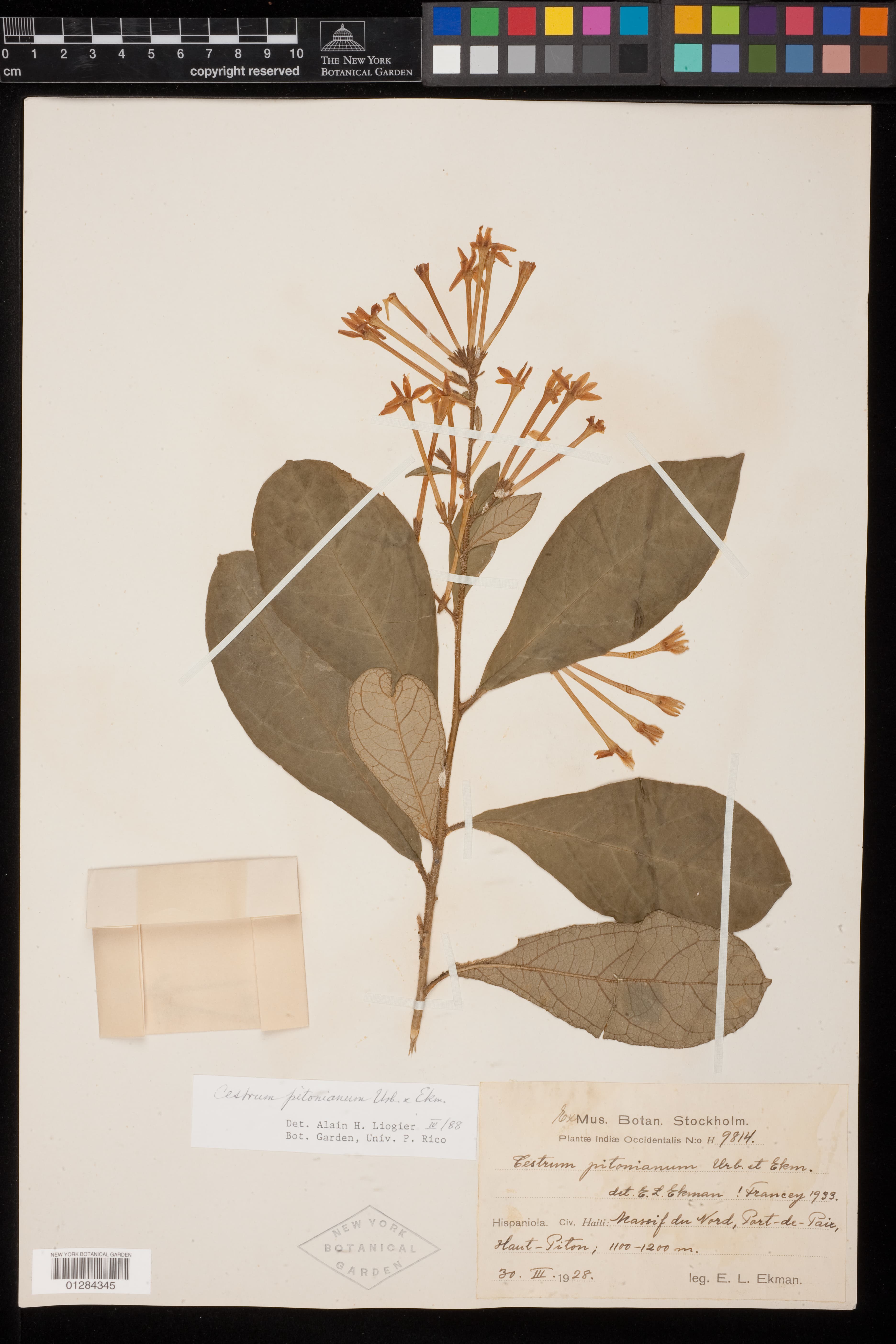
Hydrangea mathewsii is a woody shrub or small tree characterized by large, ovate to elliptic leaves, often with serrated margins. It produces terminal, cymose panicles of numerous small flowers, which develop into dry fruits. The specimen shows dried leaves and inflorescences, typical of a herbarium collection.