Solanum zuloagae
NameSolanum zuloagae
Scientific NameSolanum zuloagae
Plant FamilySolanaceae
Natural HabitatThis species is endemic to the montane forests of the Yungas region in northwestern Argentina, thriving in humid, subtropical environments at higher elevations, often found in the understory or forest edges.
Parts Usedleaf,whole_plant
Medicinal Actionsanalgesic, anti-inflammatory, antimicrobial
Traditional UsesSpecific traditional medicinal uses for Solanum zuloagae are not well-documented in ethnobotanical literature. However, other species within the Solanum genus are traditionally used for their analgesic, anti-inflammatory, and antimicrobial properties, often applied topically for skin conditions or pain relief, though typically with extreme caution due to potential toxicity.
Active Constituentssteroidal glycoalkaloids, solanine, solamargine
Preparation Methodsinfusion, decoction, poultice
Contraindications & WarningsAs with many Solanum species, Solanum zuloagae is presumed to contain toxic steroidal glycoalkaloids. Ingestion of any part of the plant, especially unripe fruits, should be avoided. Contraindications include pregnancy, lactation, young children, and individuals with pre-existing liver or kidney conditions. Use should only be under expert supervision, if at all, due to potential toxicity.
Cultivation NotesCultivation would likely require conditions mimicking its native Yungas habitat: moist, well-drained, humus-rich soil, partial shade, and consistent humidity. As a montane species, it may not tolerate extreme heat or cold and would likely prefer moderate temperatures.
Rarityrare
Description
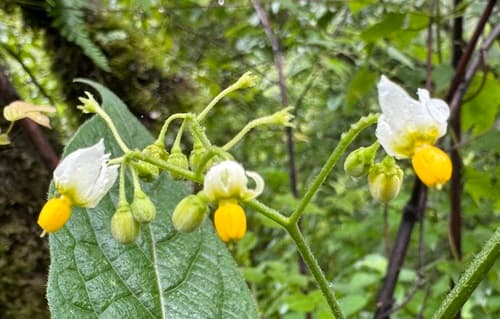
Solanum zuloagae is a herbaceous or sub-shrubby plant characterized by white flowers with prominent yellow anthers, typical of many species within the Solanum genus. Its leaves are green, somewhat broad, and often have a textured surface, while the stems are green and can be somewhat bristly or hairy. The plant produces small, green, developing fruit buds.