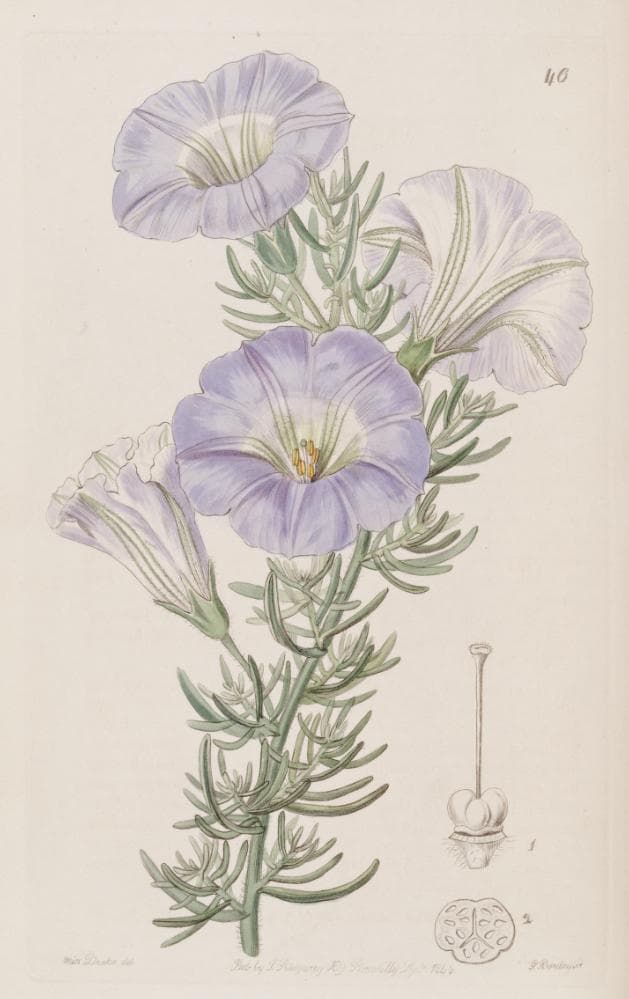
Sonoran Horsenettle
NameSonoran Horsenettle
Scientific NameSolanum rostratum
Common NamesBuffalo Bur, Kansas Thistle, Spiny Nightshade, Texas Thistle
Plant FamilySolanaceae
Natural HabitatNative to the central and western United States and Mexico, it thrives in disturbed areas, pastures, roadsides, and cultivated fields. It is well-adapted to arid and semi-arid regions, including parts of the Sonoran Desert.
Parts Usedroot,whole_plant
Medicinal Actionsanalgesic, antimicrobial
Traditional UsesTraditionally, some Native American tribes used the root as a pain reliever for toothaches and other ailments, often applied externally or in very small, diluted internal doses. The crushed leaves or fruits were sometimes used as a poultice for skin irritations or fungal infections, though extreme caution was always exercised due to its toxic nature.
Active ConstituentsSolasodine, steroidal glycoalkaloids, saponins
Preparation Methodspoultice, decoction, powder
Contraindications & WarningsHighly toxic if ingested, especially the fruits and seeds, which contain solasodine. Can cause severe gastrointestinal upset, neurological symptoms, and can be fatal. Skin contact with spines can cause irritation. Not recommended for internal use without expert supervision due to high toxicity. Avoid during pregnancy and lactation.
Cultivation NotesConsidered a noxious weed in many areas due to its aggressive growth and spiny nature. It is easily grown from seed and thrives in full sun and well-drained, often disturbed, soils. It is drought-tolerant and requires minimal care once established. Due to its invasive potential and toxicity, cultivation is generally discouraged.
Raritycommon
Description
Solanum rostratum is an annual, highly spiny plant characterized by its deeply lobed, hairy leaves and bright yellow, star-shaped flowers. The calyx and stem are densely covered in sharp, needle-like spines, especially prominent around the developing fruit.