Solanum venosum
NameSolanum venosum
Scientific NameSolanum venosum
Common NamesVeined Nightshade
Plant FamilySolanaceae
Natural HabitatNative to montane and cloud forests, as well as disturbed areas in subtropical and tropical regions of Central and South America, typically at moderate to high altitudes.
Parts Usedleaf,fruit
Medicinal Actionsanti-inflammatory, analgesic, antimicrobial
Traditional UsesWhile specific traditional medicinal uses for Solanum venosum are not widely documented, other species within the Solanum genus have been traditionally used topically for skin conditions, wounds, rheumatic pain, and as anti-inflammatory agents. Due to the potential toxicity of the genus, internal use is generally avoided or highly restricted.
Active ConstituentsSteroidal glycoalkaloids, Saponins, Flavonoids
Preparation Methodspoultice, decoction, powder
Contraindications & WarningsAll parts of Solanum venosum are considered potentially toxic due to the presence of steroidal glycoalkaloids. Ingestion can cause severe gastrointestinal upset, neurological symptoms, and can be fatal. Avoid use by pregnant/breastfeeding women, children, and individuals with liver or kidney conditions. External use should be approached with caution, and internal use is strongly discouraged without expert guidance.
Cultivation NotesThrives in moist, well-drained soils in subtropical to tropical climates. Prefers partial sun to light shade and is typically found in montane forest environments.
Rarityuncommon
Description
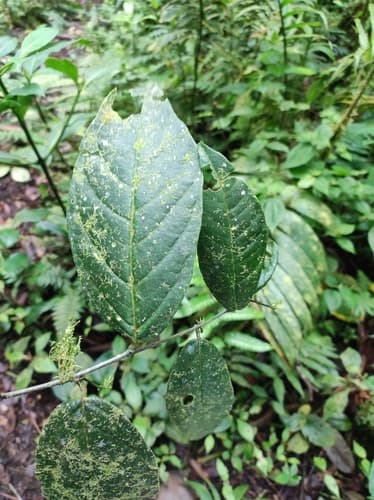
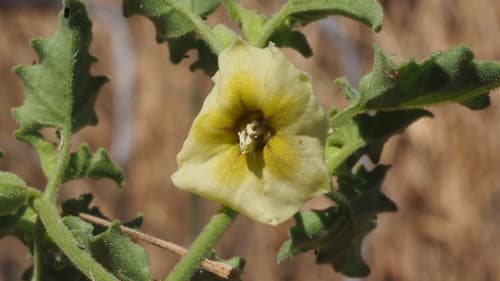
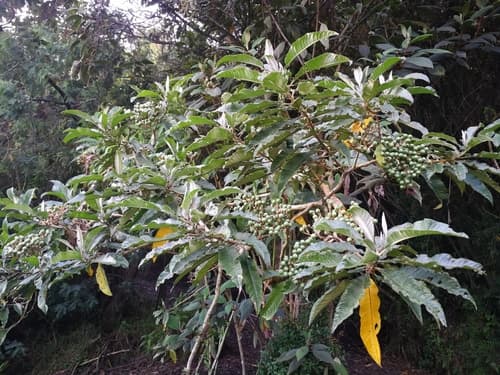
A shrub or small tree characterized by large, ovate to elliptic leaves with prominent venation, often with a pubescent underside. It produces clusters of small, spherical berries that are green when immature and typically ripen to yellow, orange, or red.