Heather
NameHeather
Scientific NameCalluna vulgaris
Common NamesHeather, Ling, Common Heather
Plant FamilyEricaceae
Natural HabitatNative to Europe and Asia Minor, Heather thrives in acidic, nutrient-poor soils found in moorlands, heaths, bogs, and open woodlands. It is a dominant species in these environments, often forming extensive carpets.
Parts Usedflower,leaf,whole_plant
Medicinal Actionsdiuretic, antimicrobial, astringent, anti-inflammatory, antioxidant
Traditional UsesTraditionally, Heather has been used as a diuretic to support urinary tract health, addressing conditions like cystitis, bladder stones, and kidney issues. It was also employed externally as a poultice for rheumatism, arthritis, and various skin ailments, and internally for digestive complaints.
Active ConstituentsFlavonoids, Phenolic acids, Tannins, Arbutin, Triterpenes
Preparation Methodsinfusion, decoction, tincture, poultice
Contraindications & WarningsGenerally considered safe, but large doses may cause mild stomach upset. Individuals with kidney disease or those who are pregnant or breastfeeding should consult a healthcare professional before use.
Cultivation NotesHeather prefers full sun to partial shade and requires well-drained, acidic soil with a pH between 4.5 and 5.5. It is drought-tolerant once established and benefits from pruning after flowering to maintain shape and encourage new growth.
Raritycommon
Description
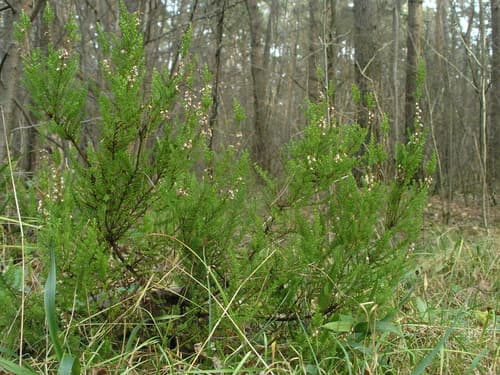
Heather is an evergreen dwarf shrub, typically growing up to 50 cm tall, characterized by small, scale-like leaves arranged in opposite pairs along its stems. It produces abundant small, bell-shaped flowers, usually purple-pink, clustered in terminal racemes.