Solanum tarderemotum
NameSolanum tarderemotum
Scientific NameSolanum tarderemotum
Common NamesNightshade (general), Bitter Nightshade (related species)
Plant FamilySolanaceae
Natural HabitatBased on general Solanum species and limited data for S. tarderemotum (Brazil), it is often found in disturbed areas, open fields, forest margins, and cultivated lands in tropical and subtropical regions.
Parts Usedleaf,fruit,whole_plant
Medicinal Actionsanti-inflammatory, analgesic, sedative
Traditional UsesTraditional uses for Solanum species often include topical application for skin conditions, wounds, and pain relief. Internal use is highly cautioned due to the presence of toxic glycoalkaloids, though some species have been used for fever or as sedatives in very small, controlled doses. Specific uses for S. tarderemotum are not well-documented.
Active Constituentssteroidal glycoalkaloids (e.g., solanine, solamargine), flavonoids, saponins
Preparation Methodspoultice, decoction
Contraindications & WarningsAll parts of the plant, especially unripe berries, are potentially toxic due to glycoalkaloids. Contraindicated for internal use without expert supervision, during pregnancy and lactation, for children, and individuals with liver or kidney conditions. May interact with medications affecting the central nervous system.
Cultivation NotesThis species, like many Solanum plants, is generally hardy and can grow in various soil types, preferring full sun to partial shade. It may self-seed readily and can sometimes be considered weedy.
Rarityuncommon
Description
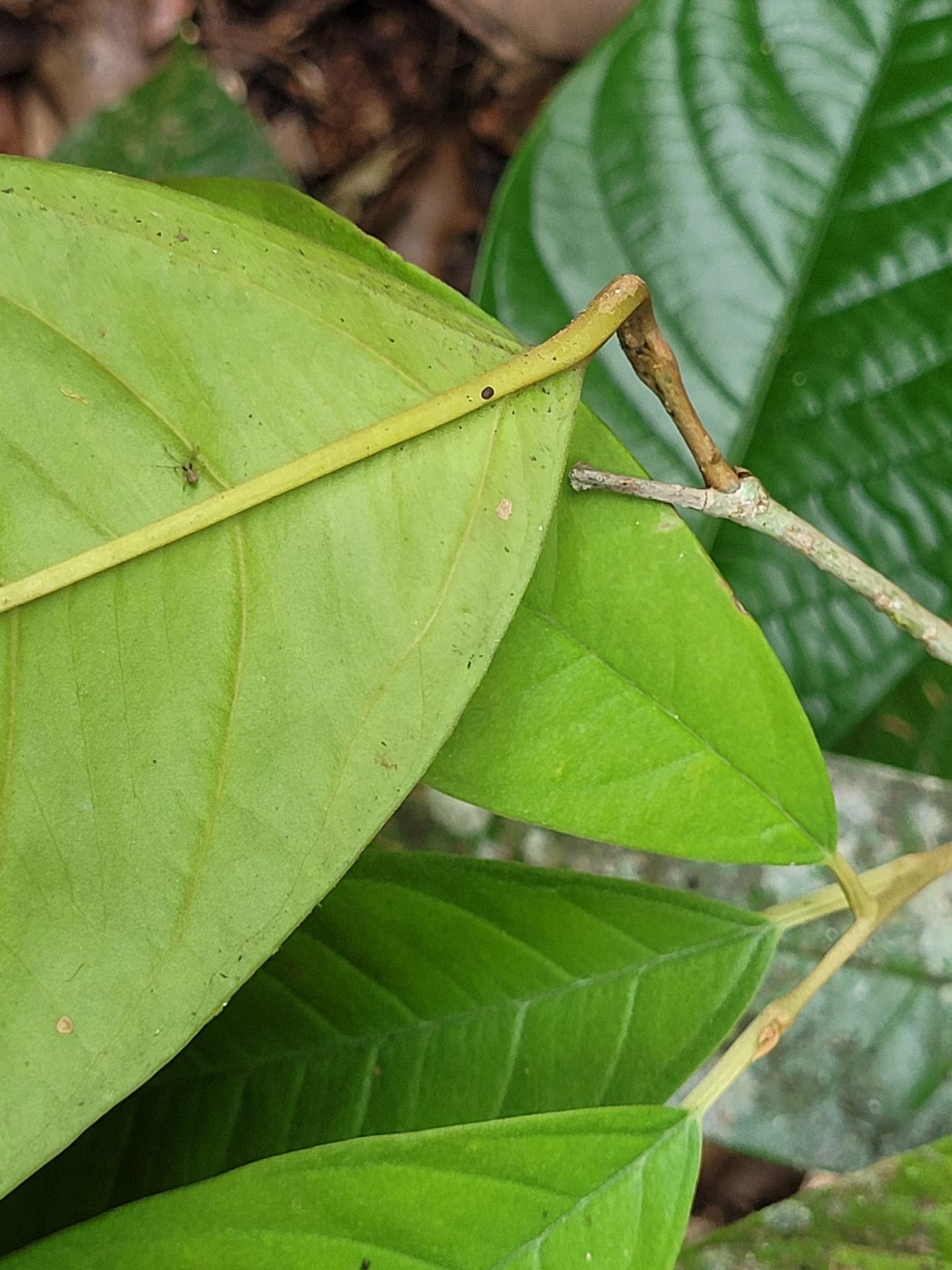
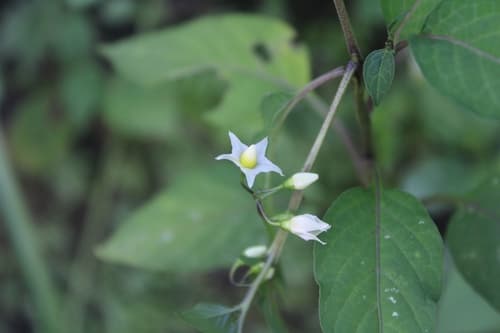
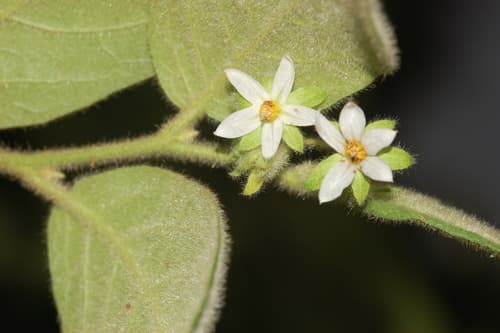
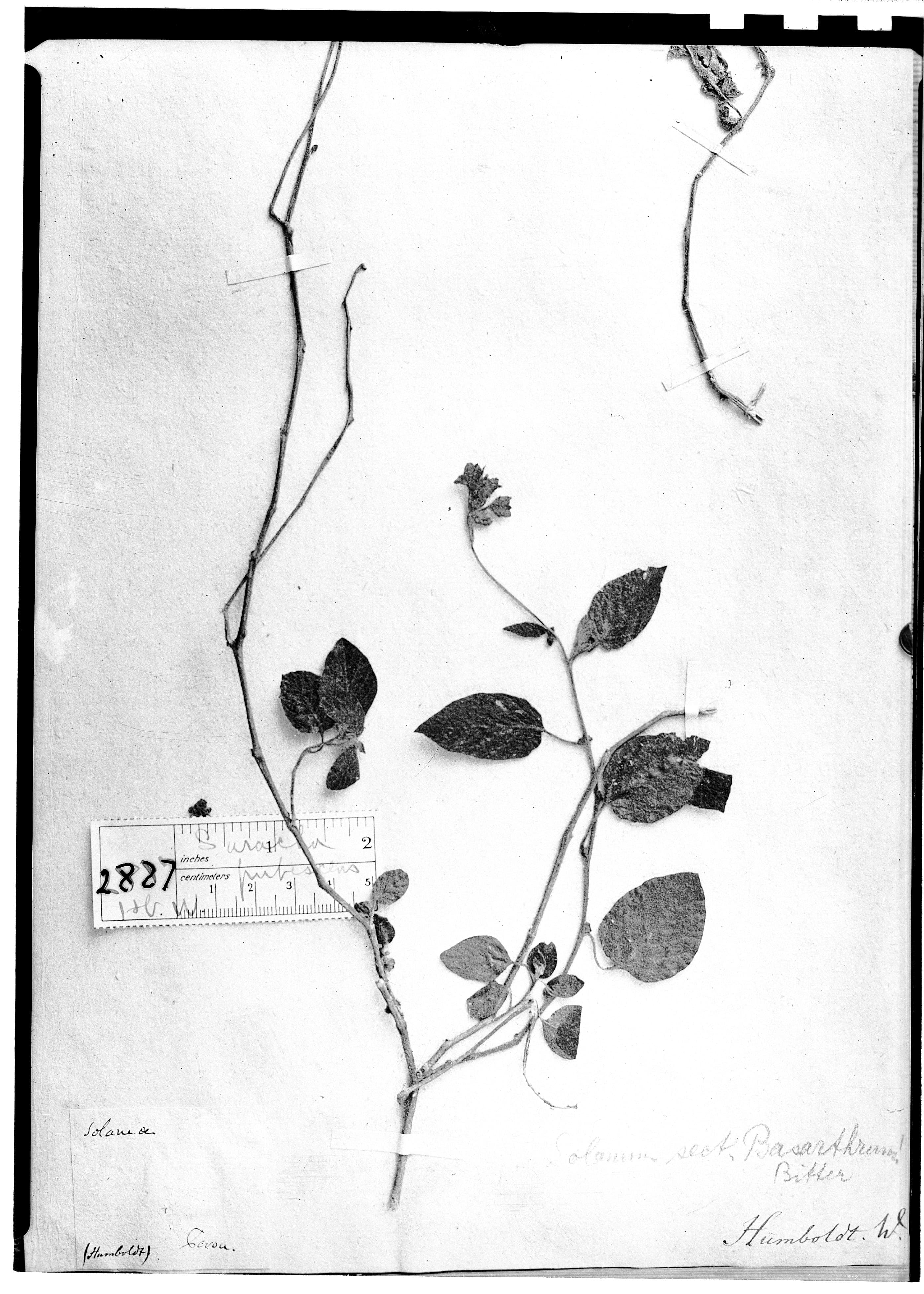
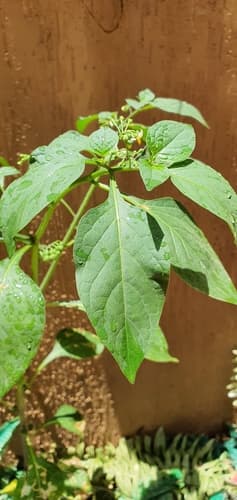
A herbaceous plant characterized by simple, ovate to lanceolate leaves, often with entire or slightly wavy margins. It produces small, clustered flowers that develop into berries, typical of the Solanum genus.