Bugleweed
Image: alexfamilyteam (cc-by-nc)
NameBugleweed
Scientific NameLycopus europaeus
Common NamesBugleweed, European Bugleweed, Gypsywort, Water Horehound
Plant FamilyLamiaceae
Natural HabitatPrefers damp to wet environments, such as marshes, fens, ditches, riverbanks, and pond margins. It is native to Europe and Asia but has naturalized in other parts of the world.
Parts Usedwhole_plant,leaf,flower
Medicinal Actionssedative, astringent
Traditional UsesTraditionally used to calm nervous tension, reduce heart palpitations, and as an astringent for various bleeding conditions. Most notably, it is used to manage symptoms of hyperthyroidism (overactive thyroid) due to its thyroid-suppressing properties, helping to reduce thyroid hormone levels and alleviate associated symptoms like anxiety and rapid heartbeat.
Active ConstituentsLithospermic acid, flavonoids, phenolic acids, tannins, caffeic acid derivatives
Preparation Methodsinfusion, tincture, powder
Contraindications & WarningsContraindicated in hypothyroidism, pregnancy, breastfeeding, and in individuals taking thyroid hormone replacement therapy or other thyroid medications. Should not be used by children. Consult a healthcare professional before use, especially if you have thyroid conditions.
Cultivation NotesEasily grown in moist to wet soil in full sun to partial shade. It can be quite vigorous and spread readily by rhizomes, so it's best to plant it where its spread can be contained, or in a bog garden.
Raritycommon
Description
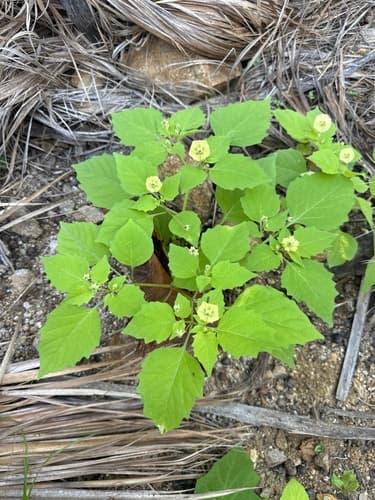
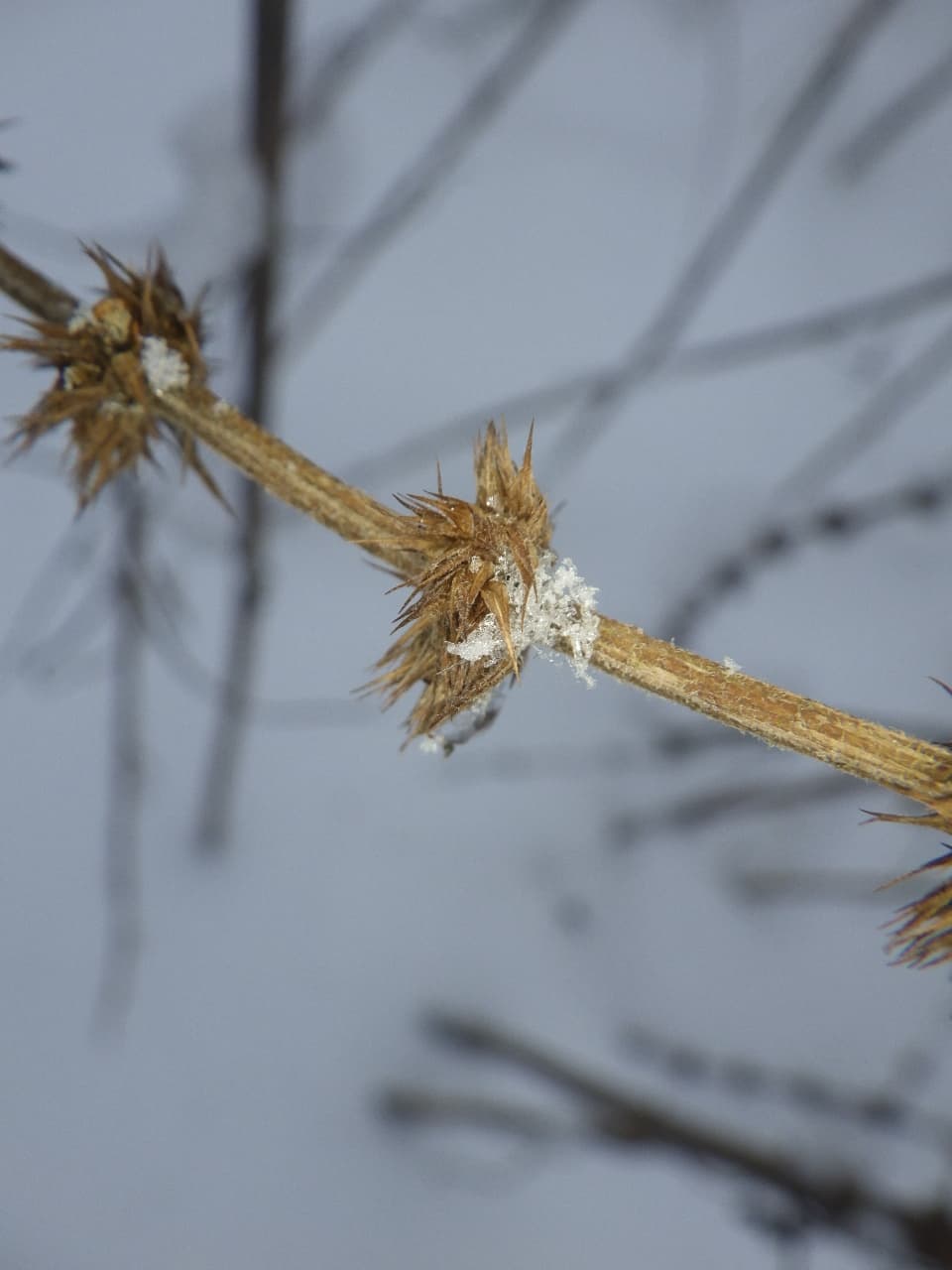
A perennial herbaceous plant growing up to 1 meter tall, characterized by square stems, opposite leaves, and small white flowers arranged in axillary whorls. The plant often has a somewhat hairy texture and produces distinctive spiky calyces after flowering, as seen in its dried winter form.