Pacific Yew
NamePacific Yew
Scientific NameTaxus brevifolia
Common NamesPacific Yew, Western Yew, California Yew, Oregon Yew
Plant FamilyTaxaceae
Natural HabitatFound in moist, cool forests, often along streams or in ravines, from southeastern Alaska to central California, and inland to Montana. It typically grows in the understory of larger conifers.
Parts Usedbark,leaf
Medicinal Actionsanalgesic, anti-inflammatory
Traditional UsesTraditionally, indigenous groups used Pacific yew bark for treating rheumatism, inflammation, internal pain, and as a poultice for wounds. It gained significant modern attention for its bark being the source of paclitaxel, a potent anti-cancer drug.
Active ConstituentsPaclitaxel, Taxanes
Preparation Methodsdecoction, poultice, powder
Contraindications & WarningsAll parts of the plant (except the fleshy aril) are highly toxic due to taxine alkaloids. Ingestion can cause severe cardiac and respiratory issues, and can be fatal. It should never be self-administered and only used under strict medical supervision.
Cultivation NotesGrows slowly in moist, well-drained acidic soils, preferring shaded understory conditions. Requires consistent moisture and protection from direct sun when young. Difficult to cultivate commercially due to its slow growth rate.
Rarityuncommon
Description
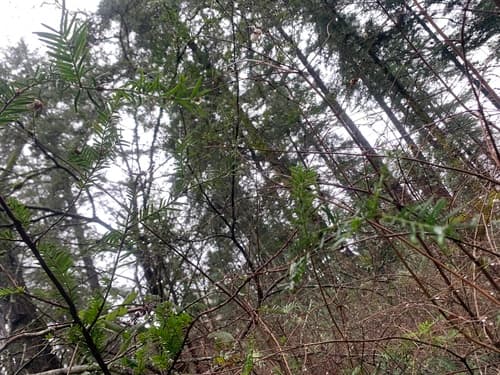
A small to medium-sized evergreen coniferous tree, often growing as an understory tree. It features thin, reddish-brown bark that peels in scales, and flat, dark green, needle-like leaves arranged spirally on the twigs.