Solanum morellifolium
NameSolanum morellifolium
Scientific NameSolanum morellifolium
Common NamesMorel-leaf Nightshade, Hairy Nightshade
Plant FamilySolanaceae
Natural HabitatCommonly found in disturbed areas, cultivated fields, gardens, roadsides, and waste grounds, thriving in temperate to subtropical climates. It is often considered a weed.
Parts Usedleaf,fruit,whole_plant
Medicinal Actionsanti-inflammatory, analgesic, sedative, antimicrobial
Traditional UsesTraditionally, various parts of Solanum morellifolium (or closely related Solanum nigrum complex species) have been used externally as poultices for skin inflammations, boils, wounds, and rheumatic pain. Internal use, if any, is highly restricted and often for sedative or diuretic purposes, but carries significant risk due to toxicity.
Active ConstituentsSteroidal glycoalkaloids (solanine, solamargine, solasonine), Saponins, Flavonoids, Phenolic compounds
Preparation Methodspoultice, decoction, infusion
Contraindications & WarningsHighly toxic if ingested in large quantities, especially unripe fruits and leaves, due to glycoalkaloids. Symptoms include nausea, vomiting, diarrhea, abdominal pain, headache, dizziness, and in severe cases, neurological effects and death. Avoid use during pregnancy, lactation, and in children. Consult a qualified expert before any internal use.
Cultivation NotesThis plant is generally considered a weed and is not typically cultivated intentionally for medicinal purposes. It readily self-seeds and grows in a wide range of soil types, preferring full sun to partial shade.
Raritycommon
Description
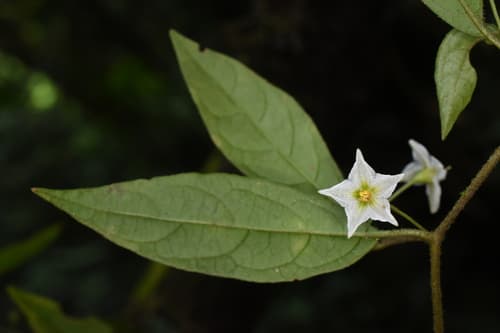
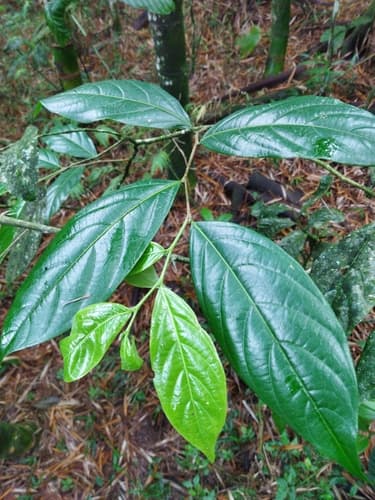
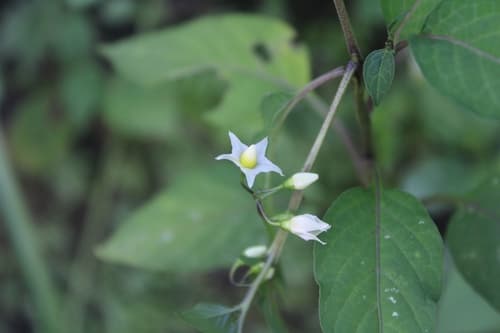
An herbaceous annual or short-lived perennial, Solanum morellifolium typically grows upright or sprawling with somewhat hairy, often purplish stems. It bears ovate to lanceolate leaves and small, star-shaped white flowers with prominent yellow anthers, which develop into small, spherical green berries that ripen to black.