Solanum semotum
NameSolanum semotum
Scientific NameSolanum semotum
Common NamesNone widely recognized
Plant FamilySolanaceae
Natural HabitatNative to tropical and subtropical regions of South America, particularly found in Brazil, often in forest margins or disturbed areas.
Parts Usedleaf,flower,fruit
Medicinal Actionsanti-inflammatory, antimicrobial
Traditional UsesSpecific traditional medicinal uses for *Solanum semotum* are not widely documented in accessible ethnobotanical literature. However, other species within the *Solanum* genus are traditionally used for various ailments, including skin conditions, pain relief, and as anti-inflammatories, often with careful preparation due to potential toxicity.
Active Constituentssteroidal glycoalkaloids, solasodine, solanine
Preparation Methodsinfusion, decoction, poultice, powder, salve
Contraindications & WarningsDue to the presence of steroidal glycoalkaloids common in the *Solanum* genus, internal use is generally contraindicated or requires expert supervision due to potential toxicity. Avoid use during pregnancy, lactation, and in children. Individuals with allergies or sensitivities to other nightshade plants should exercise caution.
Cultivation NotesPrefers warm, humid climates with well-drained soil and full sun to partial shade. Requires consistent moisture but is susceptible to waterlogging.
Rarityuncommon
Description
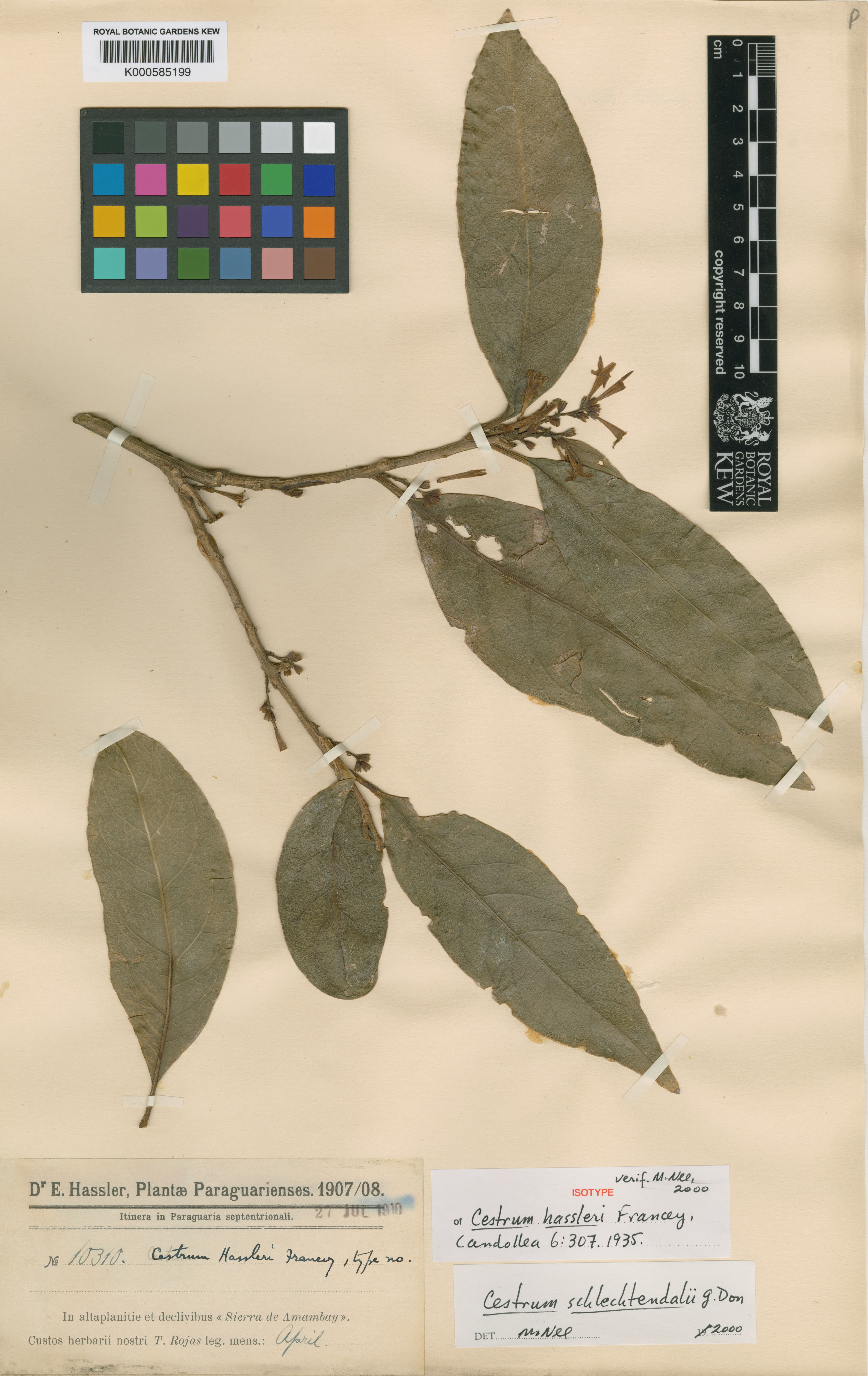
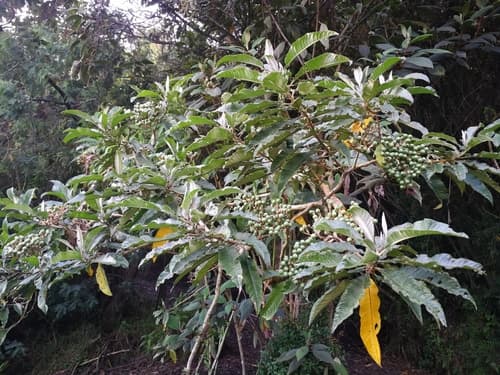
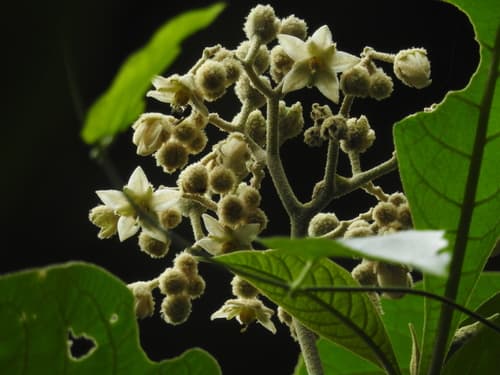
A shrub or small tree characterized by its stellate (star-shaped) white to pale flowers, often borne in clusters. The plant parts, including stems and leaves, are typically covered in dense, stellate hairs, giving them a fuzzy appearance.