Dill
NameDill
Scientific NameAnethum graveolens
Common NamesDill, Dill weed
Plant FamilyApiaceae
Natural HabitatNative to southwestern Asia and southern Europe, dill is now widely cultivated globally in temperate climates. It thrives in full sun and well-drained soil, often found in gardens and disturbed areas.
Parts Usedleaf,flower,seed
Medicinal Actionscarminative, antimicrobial, antioxidant, sedative
Traditional UsesTraditionally, dill has been used to aid digestion, relieve flatulence, and soothe colic in infants. It is also employed as a mild sedative to promote sleep and calm nerves, and its seeds are chewed to freshen breath.
Active ConstituentsCarvone, Limonene, Anethofuran, Myristicin, Apiol
Preparation Methodsinfusion, essential oil, powder
Contraindications & WarningsGenerally safe, but large amounts of dill seed essential oil may be abortifacient and should be avoided during pregnancy. May cause photosensitivity in some individuals, and allergic reactions are possible, especially in those sensitive to other plants in the Apiaceae family.
Cultivation NotesDill is an annual herb that prefers full sun and well-drained soil. It is best directly sown from seed after the last frost and requires consistent moisture. It tends to bolt quickly in hot weather, so successive plantings are recommended for a continuous harvest.
Raritycommon
Description
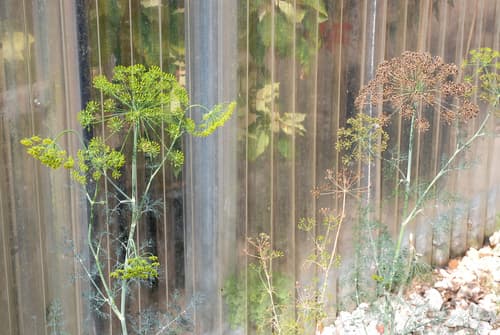
Dill is an annual herb characterized by its slender, hollow stems, feathery, finely divided leaves, and umbrella-shaped clusters (umbels) of small yellow flowers. It produces flat, oval seeds that are highly aromatic and used as a spice.