Solanum rupincola
NameSolanum rupincola
Scientific NameSolanum rupincola
Plant FamilySolanaceae
Natural HabitatNative to the high-altitude Andes of South America, particularly found in montane forests, cloud forests, and paramo edges, often growing on rocky substrates (rupicolous).
Parts Used
Traditional UsesNo well-documented traditional medicinal uses for Solanum rupincola are widely known, likely due to the presence of toxic compounds common in the Solanum genus. It is not typically used medicinally.
Active Constituentssteroidal glycoalkaloids
Contraindications & WarningsDue to the likely presence of toxic steroidal glycoalkaloids, ingestion of any part of Solanum rupincola is strongly contraindicated. Symptoms of poisoning can include gastrointestinal upset, neurological effects, and cardiac issues.
Cultivation NotesThis species would likely thrive in cool, moist, high-altitude conditions with well-drained, rocky soil. It may prefer partial shade, mimicking its natural montane forest understory or edge habitat.
Rarityrare
Description
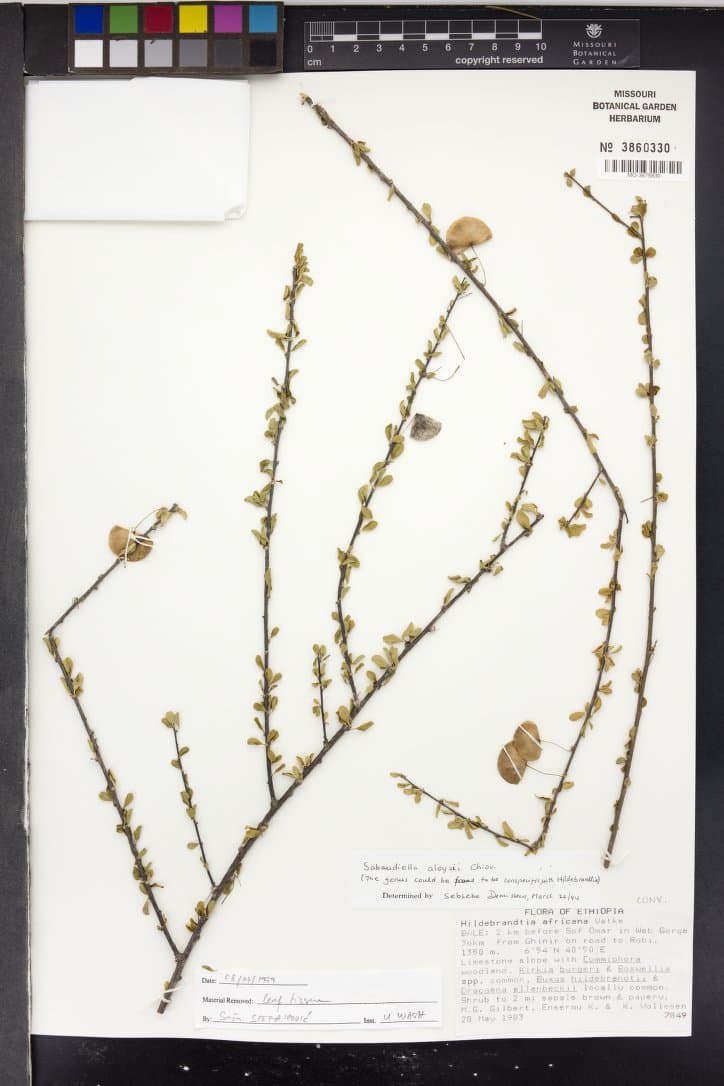
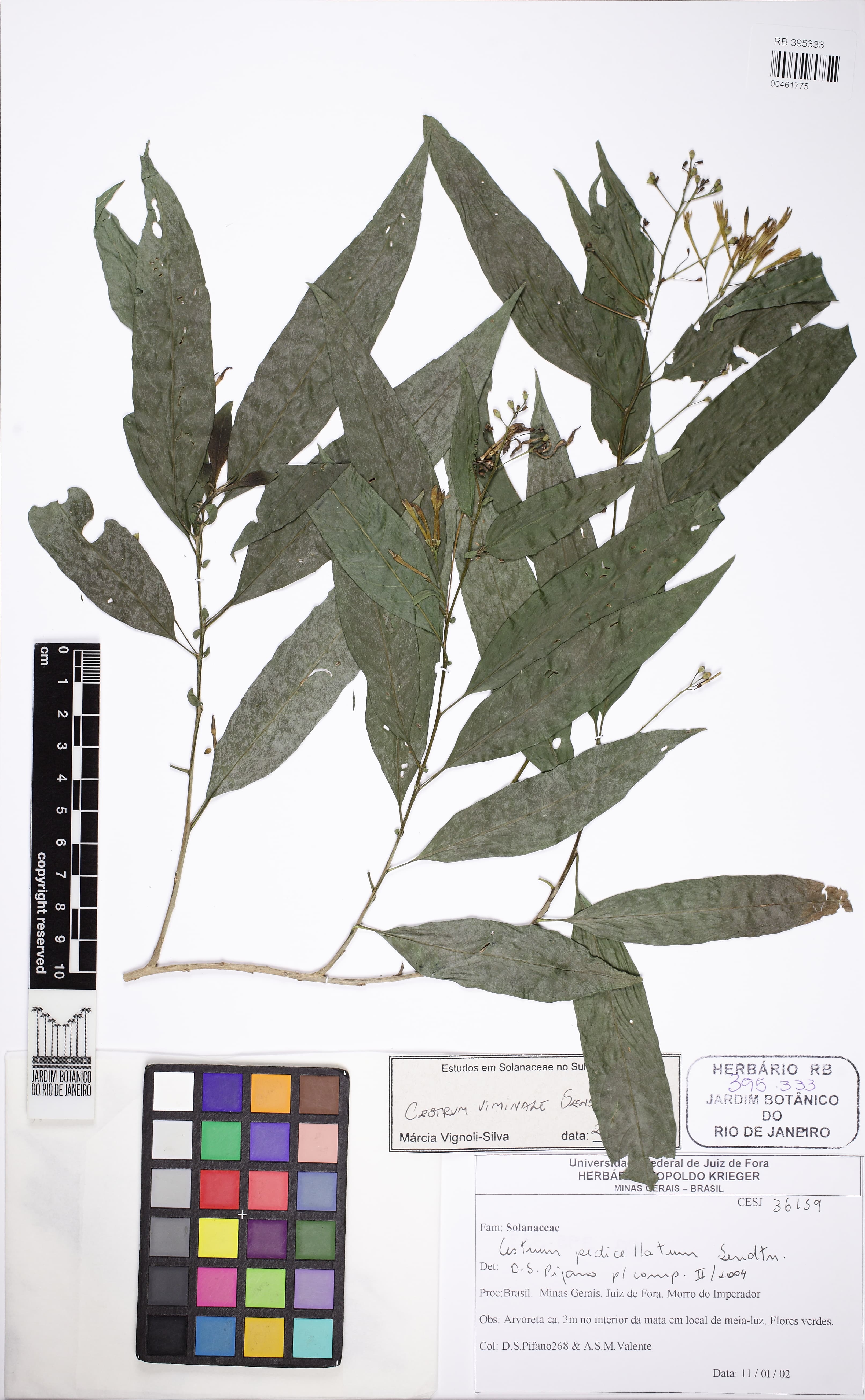
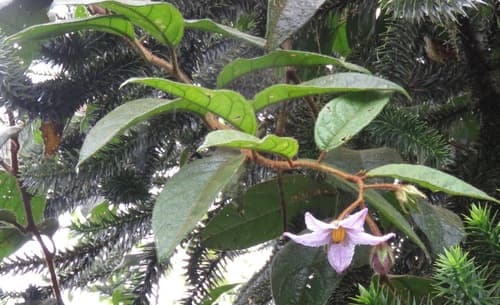
Solanum rupincola is a shrubby plant characterized by its ovate to elliptic leaves, often with a somewhat hairy texture on stems and petioles. It produces star-shaped flowers, typically pale lavender to white, with a prominent yellow anther cone at the center.