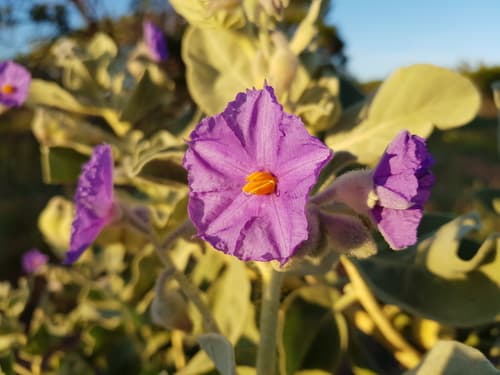
Crete Festoon
NameCrete Festoon
Scientific NameOxalis pes-caprae
Common NamesBermuda Buttercup, Sourgrass, Cape Sorrel, Crete Festoon
Plant FamilyOxalidaceae
Natural HabitatNative to South Africa, it has become widely naturalized in Mediterranean climates, including Crete, thriving in disturbed areas, gardens, agricultural fields, and along roadsides. It prefers full sun to partial shade.
Parts Usedleaf,whole_plant
Medicinal Actionsastringent, diuretic, antioxidant
Traditional UsesTraditionally, the leaves of this plant are consumed for their refreshing sour taste, often added to salads or eaten raw as a snack. Some folk medicine practices have utilized it as a diuretic to promote urination and for its astringent properties, as well as for minor digestive complaints.
Active ConstituentsOxalic acid, Vitamin C, Flavonoids
Preparation Methodsinfusion, powder
Contraindications & WarningsDue to its high oxalic acid content, consumption should be moderate, especially for individuals prone to kidney stones, gout, or rheumatism. Prolonged or excessive use is not recommended.
Cultivation NotesThis plant is very easy to grow, often considered invasive due to its prolific bulb and seed production. It thrives in well-drained soil and can tolerate a range of conditions, from full sun to partial shade.
Raritycommon
Description
This herbaceous perennial plant is characterized by its distinctive trifoliate leaves, often with purple blotches, and bright yellow, funnel-shaped flowers that bloom in clusters. It forms dense mats and spreads rapidly, often considered a weed in many regions.