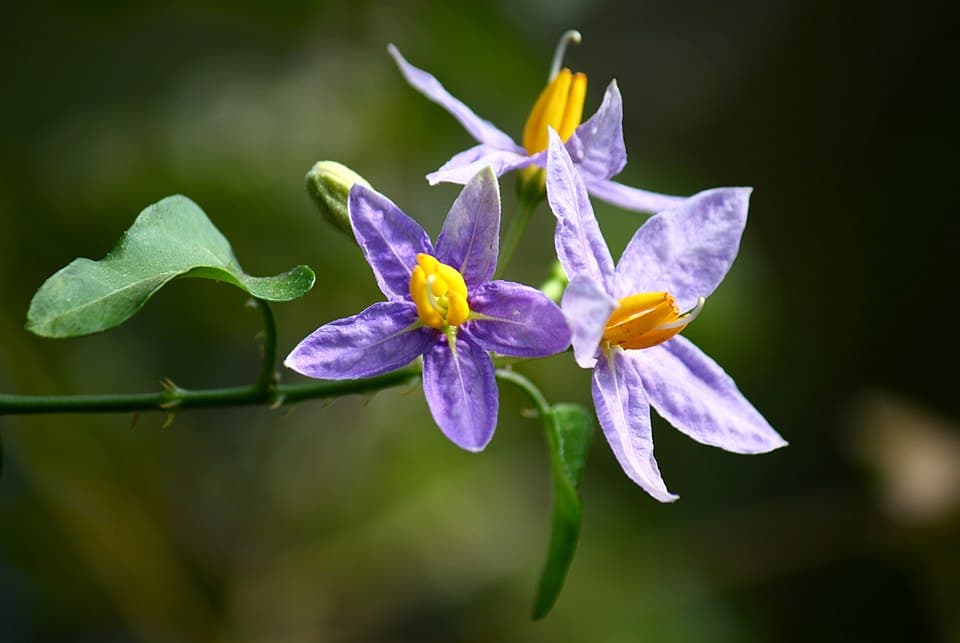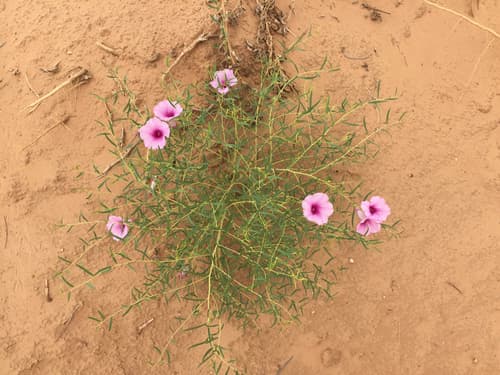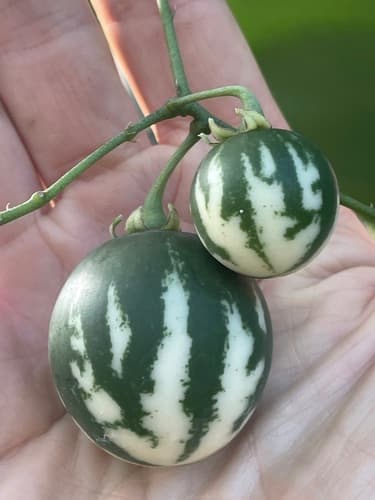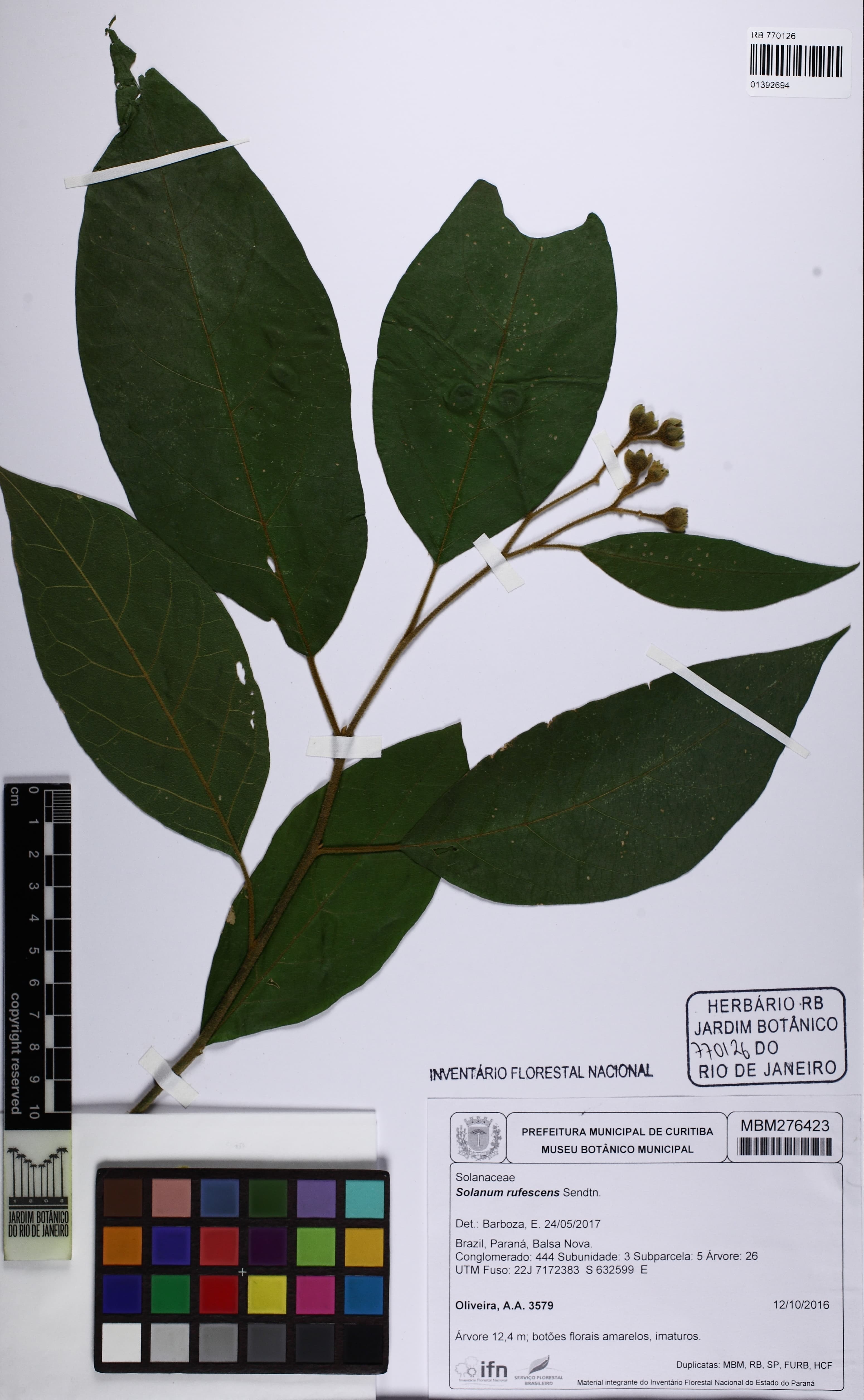
Solanum rufescens
Image: A. A. Oliveira (cc-by)
NameSolanum rufescens
Scientific NameSolanum rufescens Sendtn.
Plant FamilySolanaceae
Natural HabitatNative to Brazil, specifically found in the Paraná region, suggesting a tropical to subtropical forest environment.
Parts Usedleaf,flower
Medicinal Actionsanti-inflammatory, antimicrobial, analgesic
Traditional UsesSpecific traditional medicinal uses for Solanum rufescens are not widely documented. However, other species within the Solanum genus have historically been used for their anti-inflammatory, pain-relieving, and antimicrobial properties, often applied topically for skin ailments or internally with careful dosage due to potential toxicity.
Active Constituentssteroidal glycoalkaloids, flavonoids, phenolic compounds
Preparation Methodsinfusion, decoction, powder
Contraindications & WarningsAs with many Solanum species, potential toxicity due to glycoalkaloids is a significant concern. Use is generally contraindicated in pregnancy, lactation, children, and individuals with liver or kidney conditions. Consultation with a qualified healthcare professional is essential before any use.
Cultivation NotesThis species is a tree native to the subtropical regions of Brazil, suggesting it thrives in warm climates with adequate moisture and well-drained soil. It likely prefers full sun to partial shade conditions.
Rarityuncommon
Description
Solanum rufescens is a tree, reaching up to 12.4 meters, characterized by large, ovate to elliptic dark green leaves. Its stems and petioles are notably pubescent, and the specimen shows immature, pubescent yellow floral buds.