Solanum rojasianum
NameSolanum rojasianum
Scientific NameSolanum rojasianum
Plant FamilySolanaceae
Natural HabitatNative to South America, particularly Paraguay, Bolivia, and Argentina, it is found in various habitats including forest edges, disturbed areas, and roadsides in subtropical and tropical regions.
Parts Used
Traditional UsesThere are no well-documented traditional medicinal uses for Solanum rojasianum in ethnobotanical literature. Many species within the Solanum genus contain steroidal glycoalkaloids, which can be toxic, and therefore, caution is generally advised.
Active ConstituentsSteroidal glycoalkaloids (e.g., solanine, solamargine) are likely present, as is common in the Solanum genus, though specific compounds for S. rojasianum are not extensively studied for medicinal purposes.
Contraindications & WarningsDue to the probable presence of toxic steroidal glycoalkaloids common in the Solanum genus, internal consumption of Solanum rojasianum is strongly contraindicated. It should be avoided by pregnant or nursing women, children, and individuals with liver or kidney conditions. General caution is advised with all parts of the plant.
Cultivation NotesThis species likely prefers well-drained soil and a warm climate, thriving in full sun to partial shade. It is often found in disturbed areas, suggesting it is not overly demanding in cultivation and can be propagated by seed.
Rarityuncommon
Description
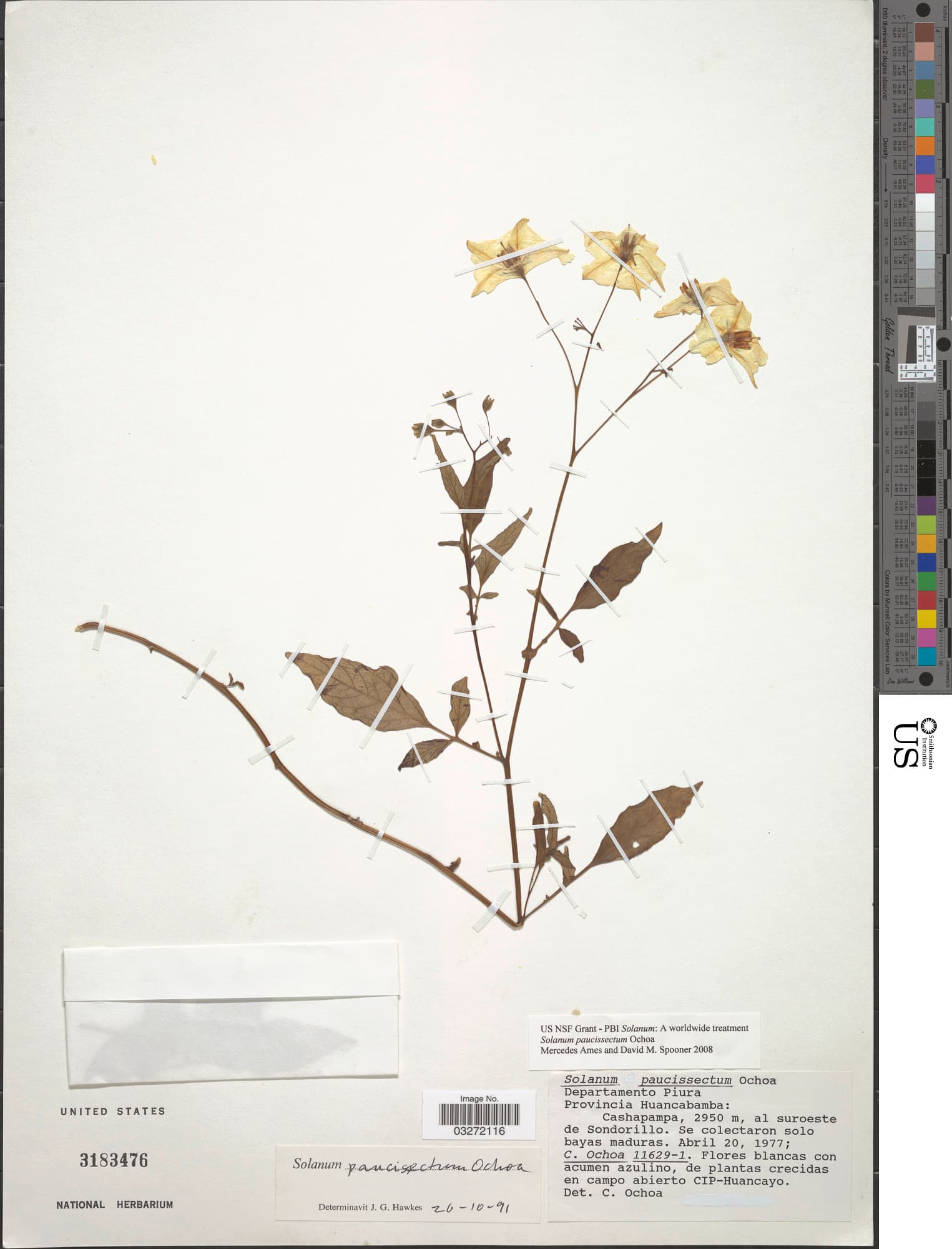
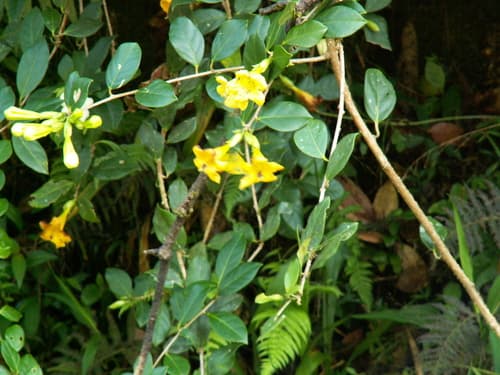
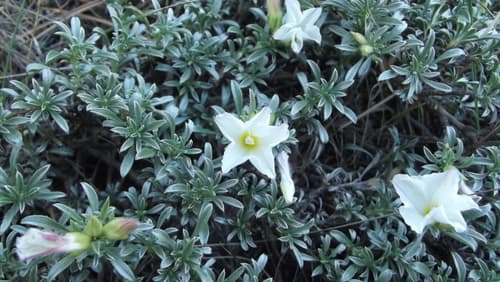
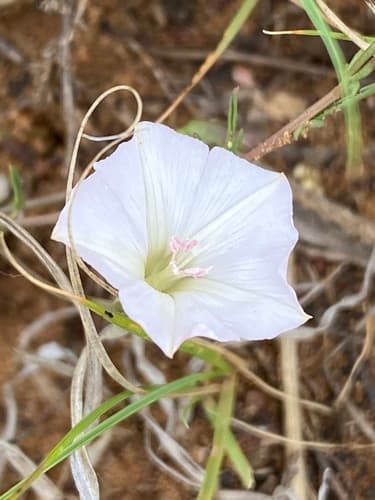
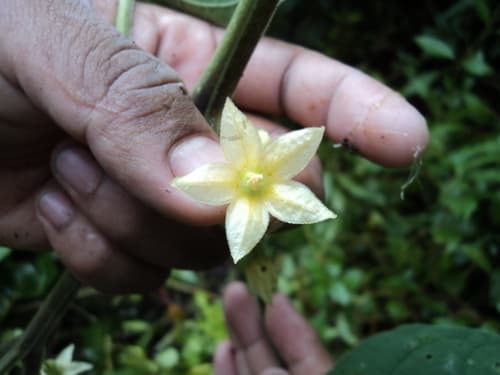
Solanum rojasianum is a herbaceous plant, often scrambling or climbing, characterized by small, star-shaped flowers typically pale yellow to whitish with five petals and a prominent central cone of yellow anthers. Its leaves are simple and often ovate, and it produces small, globose berries.